

Introduction-
Table of Contents
World Malaria Day is celebrated every year on April 25th. Its purpose is to raise awareness about the serious and life-threatening disease malaria and to provide information about its prevention measures. World Malaria Day is celebrated globally by health organizations and governments to work together to eradicate malaria.
Malaria is an infectious disease spread by the bite of infected mosquitoes. This disease remains a major health problem in many countries, including India. Its impact is particularly severe in rural and poor areas, where sanitation and health facilities are lacking.
Did you know that millions of people worldwide are affected by malaria every year, many of whom die? This statistic makes us realize how important it is to become aware in time.
World Malaria Day is celebrated as an important initiative to raise awareness and keep people safe.
History of World Malaria Day-
World Malaria Day is celebrated every year on April 25th. It was initiated by the World Health Organization (WHO) in 2007. Previously, it was celebrated as “Africa Malaria Day,” but given the global severity of malaria, it was internationally recognized and renamed “World Malaria Day.”
The main purpose of celebrating World Malaria Day is to raise awareness about malaria, promote preventive measures, and strengthen global efforts to eliminate it. The WHO and other health organizations organize various programs, campaigns, and awareness activities on World Malaria Day to ensure accurate information reaches as many people as possible.
The World Health Organization has played a vital role in this campaign. It works with countries around the world to develop strategies for malaria control and elimination, promotes research on medicines and vaccines, and provides assistance to affected areas.
Over time, the importance of World Malaria Day has grown. Today, it is not just an awareness day, but a global movement that inspires millions of people to protect themselves from this disease and work towards a healthier future.
What is Malaria?
Malaria is a serious infectious disease caused by parasites. This disease is primarily spread by the bite of infected mosquitoes and can be fatal if not treated promptly.
Malaria spreads when a person is bitten by an Anopheles mosquito. This mosquito ingests the parasite (Plasmodium) from the blood of an already infected person, and then, when it bites a healthy person, the same parasite enters their body.
To put the infection process simply, the mosquito acts as a carrier. As soon as an infected mosquito bites a person, the parasites enter the person’s bloodstream and gradually affect the liver and red blood cells. This is why malaria symptoms such as high fever, chills, and weakness appear.
Thus, malaria is a disease that can spread rapidly through mosquitoes, making prevention and timely treatment extremely important.
Types of Malaria-
1. Plasmodium falciparum-
This is considered the most dangerous type of malaria. It spreads rapidly throughout the body and can affect the brain, which is called cerebral malaria. If not treated promptly, it can be fatal.
2. Plasmodium vivax-
This is the most common type of malaria in India. It is not as deadly, but relapses are likely, causing long-term problems for the patient.
3. Other Types-
There are also types like Plasmodium malariae and Plasmodium ovale. These are less common and generally less severe, but they should still not be ignored.
Of these, Plasmodium falciparum is the most dangerous because it can rapidly damage vital organs.
Symptoms of Malaria-
Malaria symptoms may initially resemble a normal fever, but they can worsen over time. Therefore, it is crucial to recognize these symptoms.
Initial Symptoms-
Malaria typically begins with a high fever, accompanied by chills (shivering), headache, sweating, and body aches. Patients may also experience fatigue and mild weakness. These symptoms can often recur every 2-3 days.
Severe Symptoms-
If left untreated, malaria can become dangerous. Vomiting, extreme weakness, dizziness, difficulty breathing, and sometimes even unconsciousness can occur. In severe cases, it can also affect the brain and other organs.
Effects on Children and the Elderly-
Children and the elderly have weaker immune systems, so the effects of malaria can be more severe for them. Children may experience high fevers and seizures, while the elderly may experience weakness and other complications more quickly.
When to Immediately Consult a Doctor-
If a persistent fever, chills, or severe symptoms described above occur, you should immediately consult a doctor. Timely treatment can prevent malaria from becoming serious.
How is Malaria Spread?
Malaria is an infectious disease primarily spread by the bite of infected mosquitoes. When an Anopheles mosquito bites a malaria-infected person, it ingests the parasite. When the same mosquito then bites a healthy person, the parasite enters their bloodstream, spreading the infection.
Unsanitary water and unsanitary conditions play a significant role in the spread of malaria. Mosquitoes breed rapidly in areas where water remains stagnant for long periods, such as in pits, drains, or open containers. This is why malaria risk is higher in areas with poor sanitation.
Lack of awareness and healthcare facilities in rural areas can contribute to the rapid spread of malaria, while poor sanitation can also worsen the problem in urban areas.
The weather also plays a major role in this, especially during the rainy season. Accumulation of rainwater increases mosquito populations, which exponentially increases the risk of malaria transmission.
Malaria Prevention Measures-
Malaria Prevention is the most effective way to stay safe from this disease. Since this disease is spread by mosquitoes, it is crucial to protect yourself from mosquitoes first.
Mosquito Prevention Measures-
Using a mosquito net while sleeping at night is a simple and effective measure, especially in areas where the malaria risk is high. Applying mosquito repellent cream or spray on the body is also very helpful.
Cleanliness-
Maintaining cleanliness in and around the house is crucial. Avoid water stagnation anywhere, such as in coolers, pots, tires, or open containers. Stagnant water is a major breeding ground for mosquitoes. Clean these areas regularly and change the water regularly.
Wear the Right Clothing-
Wear clothing that covers the entire body, especially in the evening and at night. Wearing full-sleeved shirts and long pants reduces the risk of mosquito bites.
Government Awareness Campaigns-
The government and health departments periodically run awareness campaigns to prevent malaria. These campaigns educate people about hygiene, medicines, and preventive measures. It is our responsibility to cooperate in these efforts and spread awareness among others.
Thus, by taking small precautions, we can protect ourselves and our families from a serious disease like malaria.
Malaria Treatment-
Timely treatment of malaria is crucial, as negligence can lead to a serious illness. As soon as symptoms of malaria appear, testing and treatment should be initiated immediately. Early treatment promotes a faster recovery and reduces the risk of complications.
Antimalarial medications are commonly used to treat malaria, which work by eliminating parasites present in the body. These medications are selected based on the type of malaria and the patient’s condition. Therefore, no medication should be taken without consulting a doctor.
A doctor’s advice is essential because each individual’s condition is unique. The wrong medication or incomplete treatment can worsen the disease. Only proper diagnosis and medication can completely cure malaria.
As for home remedies, they can only help provide some relief to the body, such as resting or drinking enough water. However, complete treatment of malaria is possible only with medical treatment. Therefore, instead of relying on home remedies, consulting a doctor is the safest option.
Malaria Situation in India-
Malaria remains a significant public health problem in India, although cases have declined in recent years. According to government data, millions of people are affected by malaria every year, but mortality rates have declined significantly due to awareness and improved health services.
The government has taken several important steps to control malaria. The National Vector-Borne Disease Control Program (NVBDCP) focuses on mosquito control, drug availability, and awareness campaigns. Periodic fogging, insecticide spraying, and free testing are also provided.
However, many challenges remain in rural areas. Lack of access to healthcare facilities, poor sanitation, and a lack of awareness can contribute to the rapid spread of malaria. Many people ignore symptoms or do not seek timely treatment, worsening the situation.
Therefore, to completely eliminate malaria in India, public awareness and cooperation, along with government efforts, are crucial.
Theme of World Malaria Day 2026–
The theme of World Malaria Day 2026 is “Accelerate the fight against malaria, save lives.” This theme emphasizes that the time has come to accelerate efforts to eliminate malaria and completely prevent deaths from this disease.
The key message of this theme is that governments, health organizations, and the general public must work together. Malaria can be largely prevented through timely testing, proper treatment, and mosquito prevention measures.
This theme serves as both a warning and an inspiration for people. It reminds us that by taking small precautions, we can protect not only ourselves but also our families and society from this serious disease.
The Role of Society and the Government-
Both society and the government play a crucial role in preventing a serious disease like malaria. First, it is essential to spread awareness so that people understand the causes, symptoms, and preventive measures. Only when people are aware will they be able to take timely precautions.
The government has a responsibility to provide better health services in all areas. This includes free testing, availability of appropriate medicines, and mosquito control measures. Furthermore, strengthening health facilities in rural and remote areas is crucial.
Campaigns at the school and community level are also an effective approach. Educating children and youth about malaria can spread awareness throughout society.
Many non-governmental organizations (NGOs) are also making significant contributions in this direction. These organizations provide essential information to the public through awareness programs, health camps, and cleanliness campaigns.
Only when society and the government work together can effective control of a disease like malaria be achieved.
Myths and Truths About Malaria-
Many misconceptions (myths) circulate in society regarding malaria, which deprive people of accurate information. It is crucial to understand these myths and learn the truth.
Myth 1: Malaria is caused only by filth
Many people believe that malaria is caused only by filth.
Fact: The main cause of malaria is the bite of the Anopheles mosquito. Although filth and stagnant water contribute to mosquito breeding, the disease is spread directly through mosquitoes.
Myth 2: Malaria is a common fever
Many people ignore it, thinking it is a common fever.
Fact: Malaria can be a serious and sometimes fatal disease. If not treated promptly, it can affect vital organs and worsen the condition.
Therefore, it is crucial to overcome these myths and take precautions based on accurate information to protect ourselves and our families from malaria.
Effects on Children and Pregnant Women-
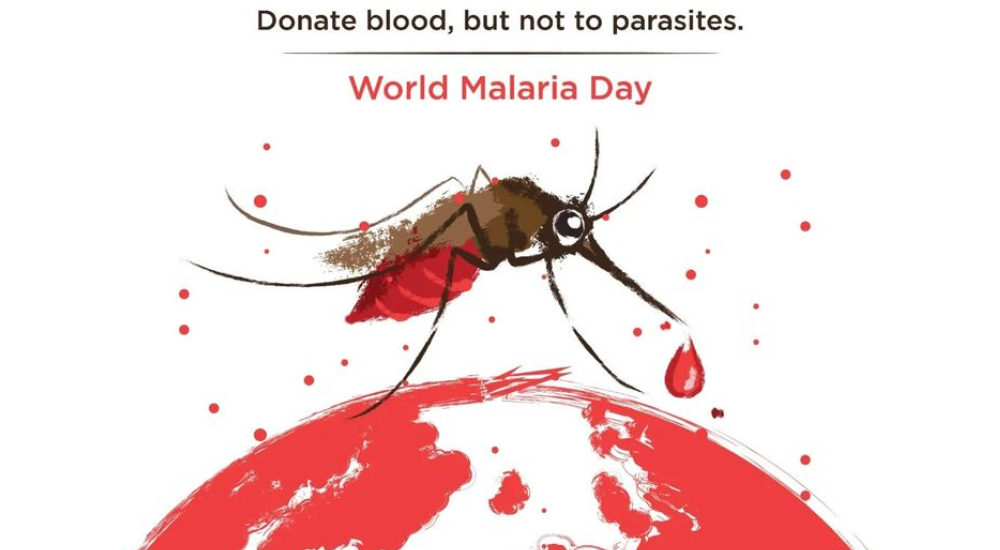
The effects of malaria can be more severe on children and pregnant women, as their immune systems are relatively weak. In children, the disease spreads rapidly and can cause complications such as high fever, weakness, or seizures. In pregnant women, malaria can lead to anemia, premature delivery, and adverse effects on the health of the baby.
Why the Increased Risk?
Due to lower immunity in both groups, infections progress more quickly, and the risk of complications is higher.
Precautions-
Use mosquito nets to protect yourself from mosquitoes, maintain good hygiene, and schedule regular health checkups.
Special Care-
If you experience any symptoms, consult a doctor immediately. Timely treatment and extra care can help prevent serious complications.
If you’re looking for information on educational topics, be sure to check out our website, edublog.cloud. Additionally, for digital products, be sure to check out our other website, vijaybooks.store.
More information related to National Panchayati Raj Day 2026 is also available on this website.
Frequently Asked Questions (FAQs) related to World Malaria Day 2026-
When is World Malaria Day celebrated?
World Malaria Day is celebrated every year on April 25th. The purpose of World Malaria Day is to raise awareness about the dangerous disease malaria and to promote measures to prevent and control it.
How long does malaria take to heal?
Malaria can usually be cured within 7 to 14 days with proper treatment. However, this depends on the type of disease and the patient’s condition.
Is malaria spread by contact?
No, malaria is not spread by contact, sitting together, or eating food. It is only spread by the bite of the Anopheles mosquito.
What is the easiest and most effective way to prevent malaria?
The easiest and most effective way is to prevent mosquitoes. Use of mosquito nets, cleanliness, and avoiding standing water are essential.
Can malaria be fatal?
Yes, if not treated promptly, malaria can be serious and fatal, especially in cases of Plasmodium falciparum.
Can malaria recur?
Yes, some types, such as Plasmodium vivax, can cause recurrent malaria, so complete treatment is essential.
Can malaria be completely cured?
Yes, malaria is completely curable, provided it is treated promptly and properly. It is crucial to take the full course of medication as prescribed by your doctor. Incomplete treatment can lead to a relapse, especially in cases of Plasmodium vivax.
Conclusion-
Malaria is a serious but completely preventable disease. The most effective way to combat it is through prevention. If we adopt timely mosquito prevention measures, maintain good hygiene, and prevent water from accumulating around us, the risk of this disease can be significantly reduced.
Awareness is the most powerful weapon in this fight. When people are well-informed about the causes, symptoms, and prevention methods of malaria, they can protect themselves and their families.
At the same time, collective efforts are crucial to eradicate malaria. The government, society, health organizations, and every citizen must work together. Only then can we eradicate this disease and move towards a healthier future.
On this World Malaria Day, let us pledge to not only remain vigilant ourselves but also to educate others. Because the truth is:
“A small precaution is a big protection.”
If you found this information useful, please share it with your family and friends so they can also become aware of how to prevent serious diseases like malaria.
Remember, your small gesture can save a life.
Stay healthy, stay safe.