

Introduction-
Table of Contents
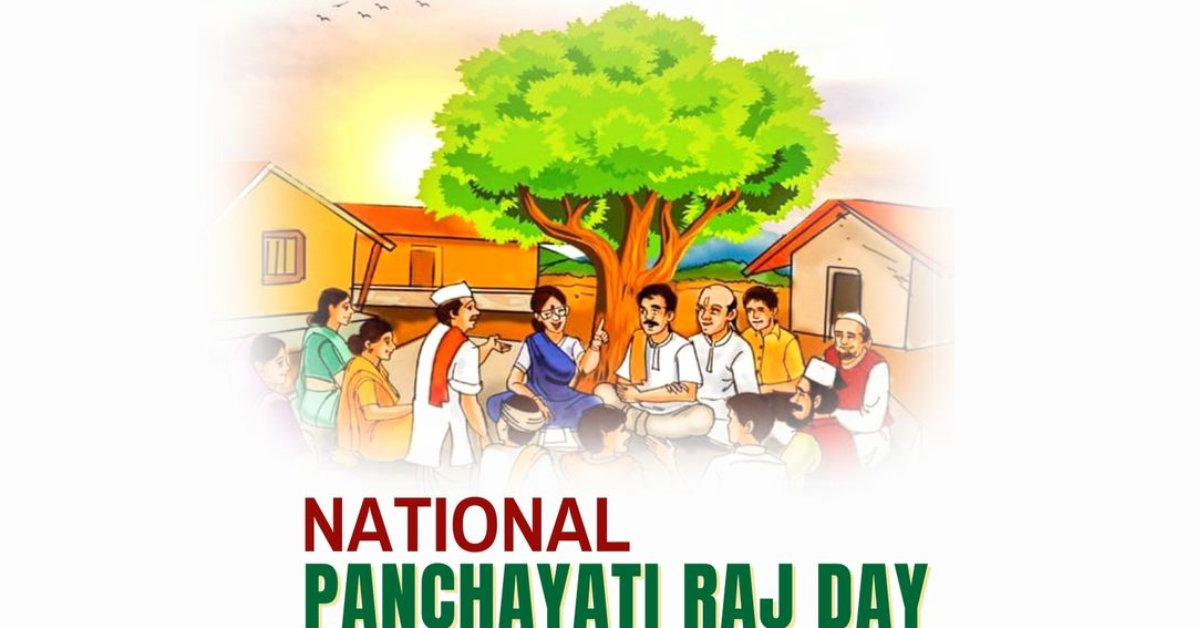
India’s true strength lies in its villages, and these villages strengthen the roots of our democracy. When villages are strong, the nation becomes strong. To realize this vision, the Panchayati Raj system was established, which brings to life the spirit of “village rule, village rule.”
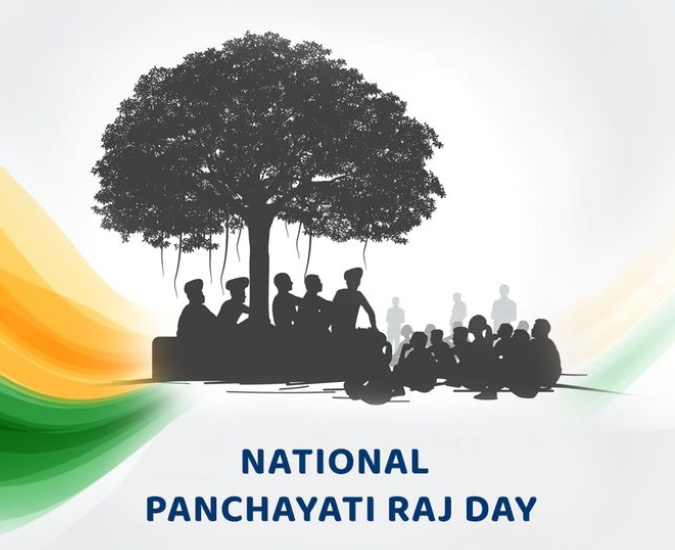
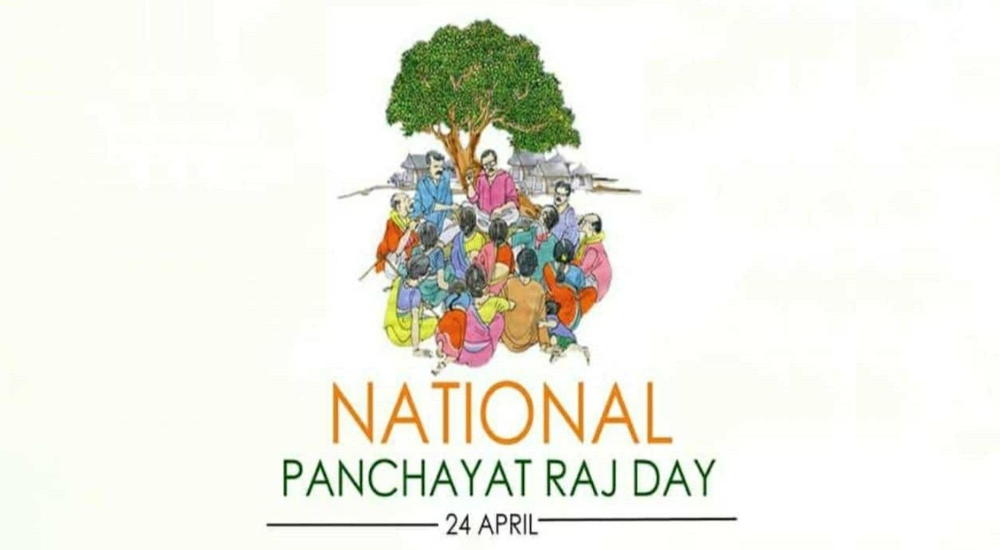
National Panchayati Raj Day is celebrated every year on April 24th, reminding us that democracy is not limited to big cities or Parliament, but its true identity is visible in every village. This day highlights the power of local self-governance, people’s participation, and the importance of rural development.
In today’s changing India, Panchayati Raj has become not just an administrative system but a powerful movement, awakening millions of people to their rights. It also teaches us that when ordinary citizens are involved in decision-making, the pace of development accelerates.
This is why National Panchayati Raj Day is not just a day, but a celebration of the grassroots strength of democracy.
What is National Panchayati Raj Day?
India is a vast democratic country, where the true foundation of democracy is laid not in cities but in villages. A large population still resides in rural areas, so strengthening the governance system there is crucial for the nation’s development. With this vision, the Panchayati Raj system was developed, with the motto: “Governance of the village, in the hands of the village.”
National Panchayati Raj Day is celebrated every year on April 24th. This day commemorates the constitutional status granted to Panchayats in India and highlights the importance of local self-governance. Its objective is to make villages self-reliant and directly involve the public in decision-making.
In today’s times, when the pace of development is accelerating, the Panchayati Raj system has become a powerful tool for empowering rural India. It is not merely an administrative system, but a vibrant democratic example of people’s participation, capable of shaping the country’s future.
History of National Panchayati Raj Day-
The history of National Panchayati Raj Day is deeply intertwined with India’s democratic development. On April 24th, 1993, the 73rd Constitutional Amendment was enacted, granting constitutional status to Panchayats for the first time. This amendment proved to be a historic step for Indian democracy, as it provided legal recognition and authority to local governance.
This amendment established a three-tier Panchayati Raj system, consisting of Gram Panchayats at the village level, Panchayat Samitis at the block level, and Zila Parishads at the district level. These three tiers paved the way for systematic administration and development in rural areas.
The celebration of National Panchayati Raj Day was later initiated to raise public awareness of this important change and honor the role of Panchayats. The primary purpose of this day is to remind people that democracy is not limited to Parliament and Legislative Assemblies; its true power resides in the villages.
The Panchayati Raj system has played an important role in taking democracy to the grassroots level, enabling ordinary citizens to become directly part of the governance process.
What is the Panchayati Raj System?
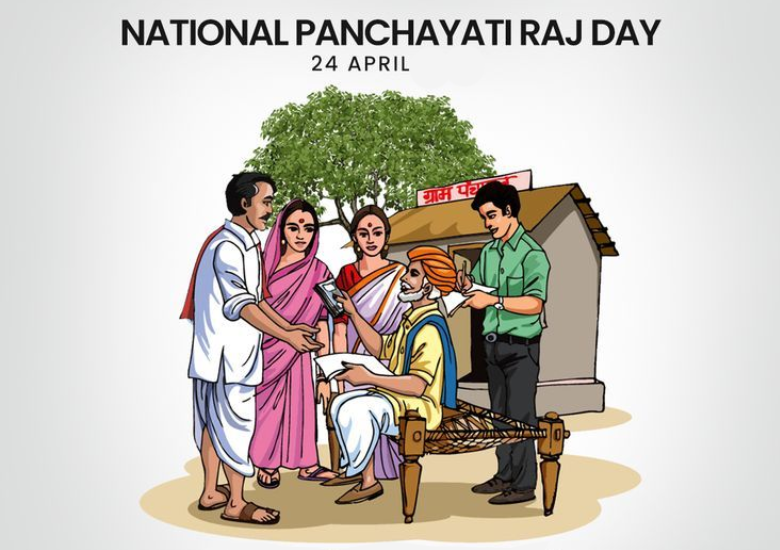
The Panchayati Raj system is an important system of local self-governance in India, aimed at empowering people at the village level to govern their own areas. Panchayati Raj means governance by the people of the village, for the village. This system is a powerful means of bringing democracy to the grassroots level.
Under the concept of local self-governance, people in rural areas can make decisions based on their needs and problems. The government’s role is limited to guidance and support, while the actual decision-making authority rests with local bodies.
The Gram Sabha is the most important organ of this system, comprising all adult citizens of the village. The Gram Sabha not only approves plans but also oversees the Panchayat’s work. It plays a crucial role in ensuring transparency and accountability.
Panchayats have been given numerous powers and responsibilities, such as implementing development plans, managing infrastructure, and administering social welfare programs. Through this system, the common citizen directly participates in governance, making democracy stronger and more effective.
Structure of the Panchayati Raj System-
To effectively operate the Panchayati Raj system, it has been divided into three levels, ensuring smooth development from the village to the district level.
1. Gram Panchayat-
This is the lowest and most important level of the system, directly involved in village administration. The Gram Panchayat is headed by a Sarpanch, elected by the villagers. Together with the Panchayat members, they manage local issues such as water, roads, sanitation, and education.
2. Panchayat Samiti-
It operates at the block level and coordinates among various Gram Panchayats. The Panchayat Samiti’s primary function is to implement various development plans and ensure equitable development in all Panchayats. It processes the needs of the Gram Panchayats and formulates plans.
3. Zila Parishad-
This is the highest level, overseeing development plans for the entire district. The Zila Parishad formulates broad-based policies and sets guidelines for implementing various schemes.
Coordination between these three levels is crucial. For example, if a village needs road construction, the Gram Panchayat prepares the proposal, the Panchayat Samiti incorporates it into the plan, and the District Council approves and implements it. In this way, these structures together accelerate rural development.
Key Functions and Responsibilities of Panchayats-
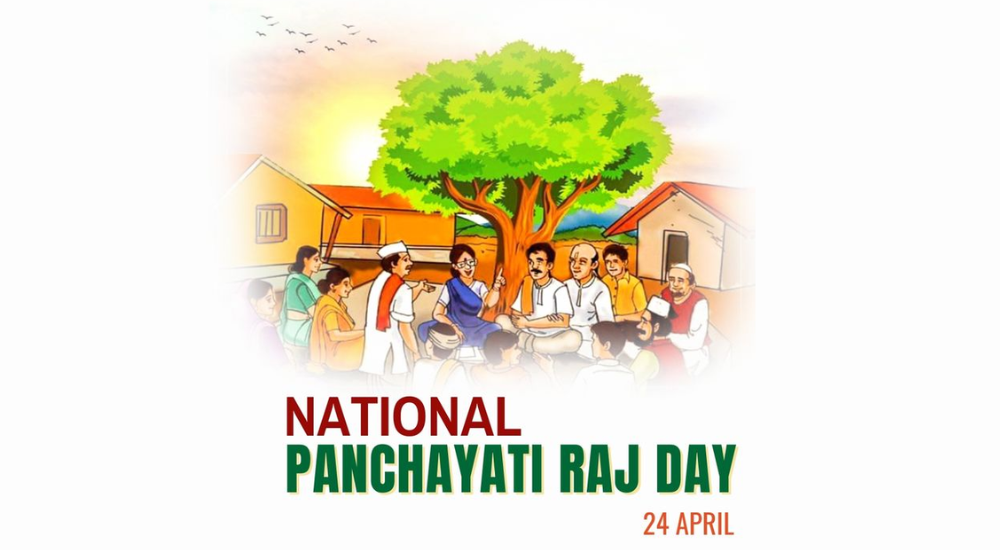
Under the Panchayati Raj system, Panchayats are entrusted with the crucial responsibility of the overall development of rural areas. Their primary function is to effectively manage and oversee various rural development schemes, thereby expanding basic amenities in villages.
- Panchayats play a crucial role in providing essential amenities such as sanitation, drinking water, road construction, and health services. They ensure that villagers receive timely access to sanitation, clean water, and primary health services.
- Panchayats also play a significant role in the field of education. They focus on school maintenance, child attendance, and improving the quality of education. They also implement various schemes and awareness programs for women’s empowerment, providing women with opportunities to become self-reliant.
- Another important function of Panchayats is the proper implementation of government schemes. They ensure that the benefits of the schemes reach the right people. Panchayats also play a crucial role in resolving local disputes, thereby maintaining mutual harmony.
- Panchayats are also active in the field of employment generation, especially through schemes like MNREGA, which provide work to rural people and strengthen their economic condition.
Significance of National Panchayati Raj Day-
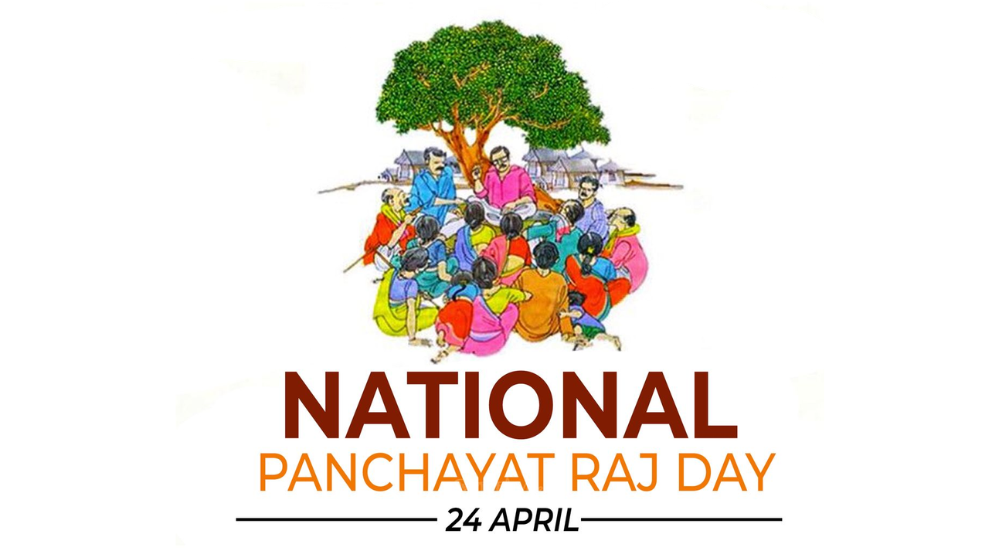
National Panchayati Raj Day symbolizes the strengthening of India’s democracy at the grassroots level. This day reminds us that true democracy succeeds only when ordinary citizens can actively participate in the governance process.
- Through the Panchayati Raj system, people in rural areas understand their rights and responsibilities and participate in decision-making.
- This day is also an important opportunity to empower rural people. Through Panchayats, people are empowered to solve their own problems and contribute to the development of their area. This increases both self-reliance and self-confidence.
- The Panchayati Raj system also promotes transparency and accountability. Due to Gram Sabhas and local concerns, schemes are implemented properly, and the possibility of corruption is reduced.
- Additionally, this system helps accelerate social and economic development. Rural living standards improve through improvements in education, health, employment, and infrastructure.
- Most importantly, this system reduces the distance between the government and the public, making the administration more effective and public-friendly.
Participation of Women and Backward Classes in Panchayati Raj-
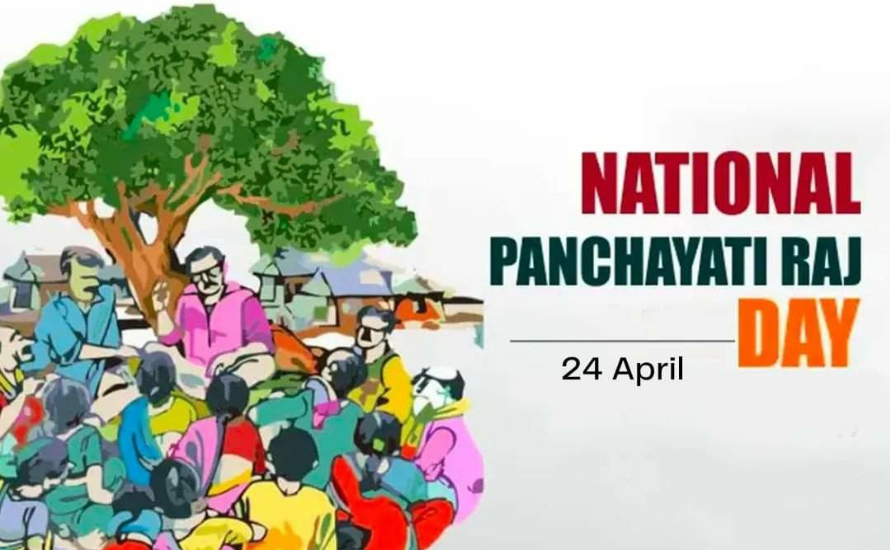
The reservation policy has proven to be an important step in ensuring the participation of women and backward classes in the Panchayati Raj system. Its primary objective is to bring forward those sections of society that have long been excluded from the decision-making process.
- A minimum of 33% reservation has been provided for women, while in many states, this percentage has been increased to 50%. This has led to a large number of women taking leadership roles in Panchayats and actively contributing to the development of their villages.
- Similarly, reservations have been made for Scheduled Castes and Scheduled Tribes, ensuring equal opportunities. This allows these communities to have a direct voice in the government, and their problems are being addressed more effectively.
- This participation has led to positive changes in rural society. Women’s leadership has led to significant improvements in areas such as education, health, sanitation, and social awareness. In many places, women are not only successfully implementing schemes but also bringing new thinking to society.
Thus, this system is a major and effective step towards social equality, helping to build an inclusive and empowered society.
Achievements of the Panchayati Raj System-
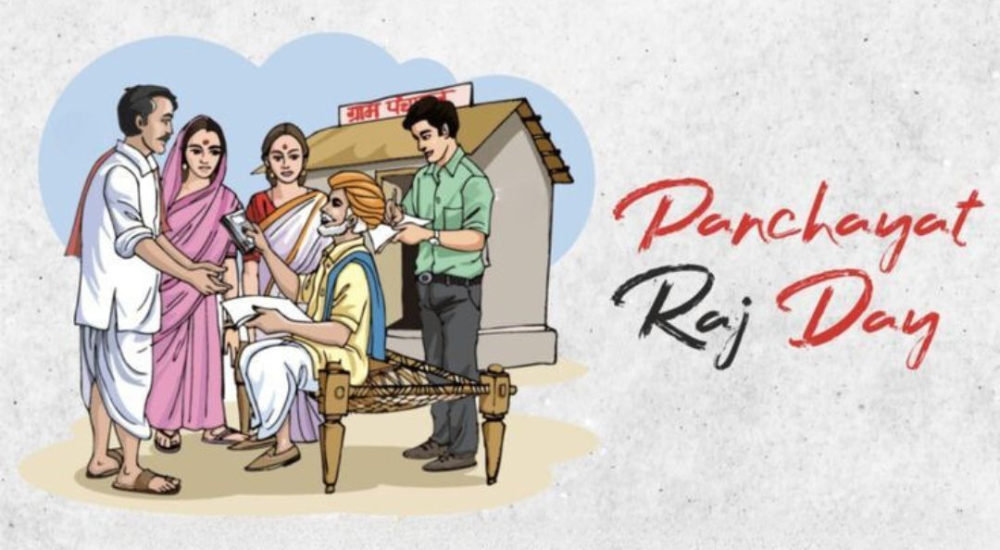
The Panchayati Raj system has made significant contributions to the development of rural India over the past few years. This system has accelerated the pace of development work in villages, enabling the expansion of infrastructure more effectively.
- Positive changes have also been observed in the areas of education and health services. The active participation of Panchayats has improved the condition of schools and made primary health services more accessible. This has improved the standard of living in rural areas.
- Another important achievement is that local problems are now being resolved faster. While previously, people had to go to higher levels for even minor issues, now they can be resolved at the Panchayat level itself.
- Keeping pace with the digital age, digital technologies and e-governance have also been introduced in Panchayats. Online records, digital payments, and transparent processes have made administration more effective and accountable.
As a result of all these efforts, villages are moving towards becoming self-reliant. The Panchayati Raj system has laid a strong foundation for empowering rural India and its overall development.
Challenges of the Panchayati Raj System-
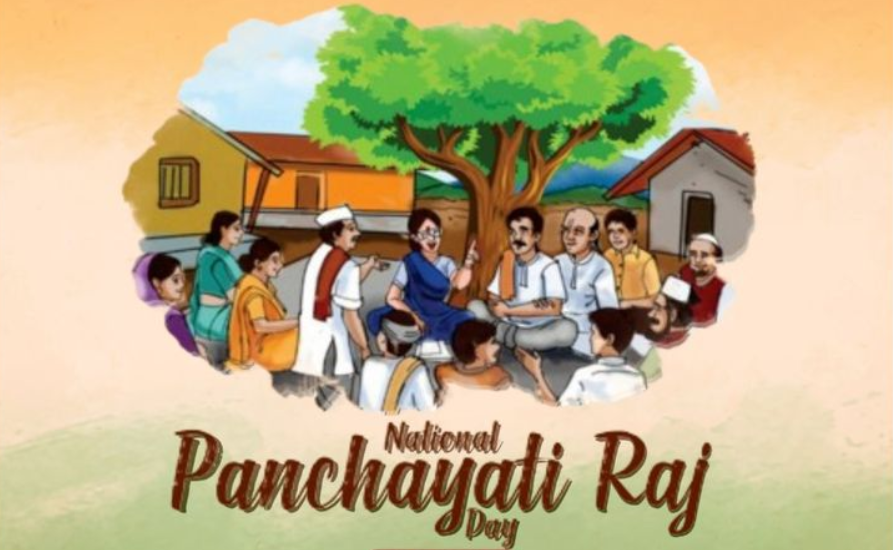
While the Panchayati Raj system has achieved many successes, it also faces some significant challenges.
- The biggest problem is corruption and lack of transparency, which often prevents the true benefits of schemes from reaching the common people.
- Furthermore, lack of education and awareness in rural areas is also a major challenge. Many people are not fully aware of their rights and the functioning of the Panchayat, limiting their participation.
- Lack of financial resources also hinders the development work of Panchayats. Due to insufficient budget, many schemes remain incomplete or are not completed on time.
- Political interference is also a serious problem, affecting the independence and impartiality of Panchayats. This impacts the decision-making process, often leading to personal interests prevailing over public interests.
- Lack of technical knowledge also hinders the effective functioning of Panchayats, especially in the digital age.
To overcome all these challenges, there is a need to increase transparency, spread awareness, provide adequate resources, and strengthen training programmes, so that the Panchayati Raj system can become more effective.
Reforms and Future Prospects-
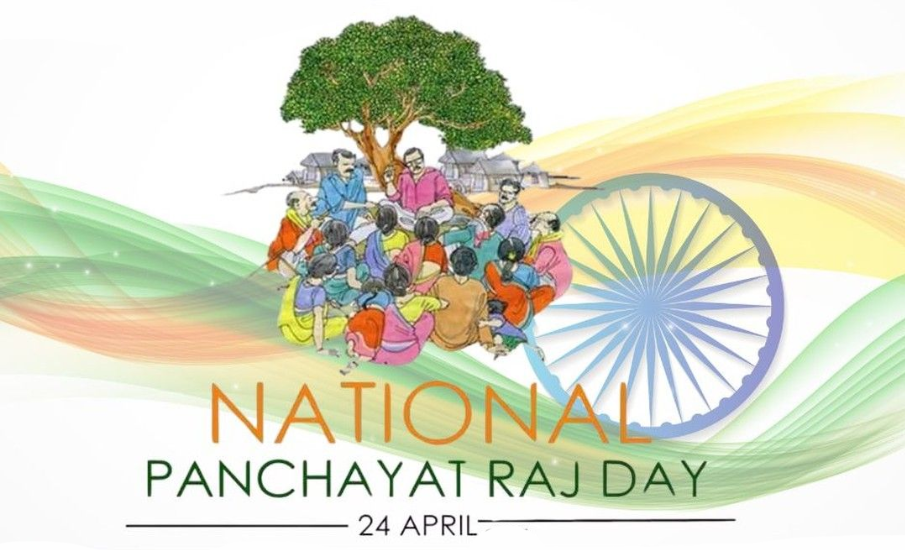
To further strengthen the Panchayati Raj system, it is essential to focus on continuous reforms and new possibilities.
- Panchayats are being rapidly digitized under the Digital India campaign, making administrative work more transparent and simple. Services are becoming more readily available to the public through online services and digital records.
- The concept of e-governance and smart villages is also shaping the future. Efforts are being made to connect villages with modern facilities using technology, thereby improving rural living standards.
- Increasing youth participation is also crucial. The ideas and energy of the new generation can make panchayats more effective. Additionally, regular training and awareness programs should be organized for panchayat representatives to better enable them to discharge their responsibilities.
- To increase transparency, it is essential to promote digital monitoring, social audits, and public participation.
With all these efforts, Panchayats can become more self-reliant, empowered, and influential in the future, which will play an important role in the overall development of rural India.
How is National Panchayati Raj Day Celebrated?
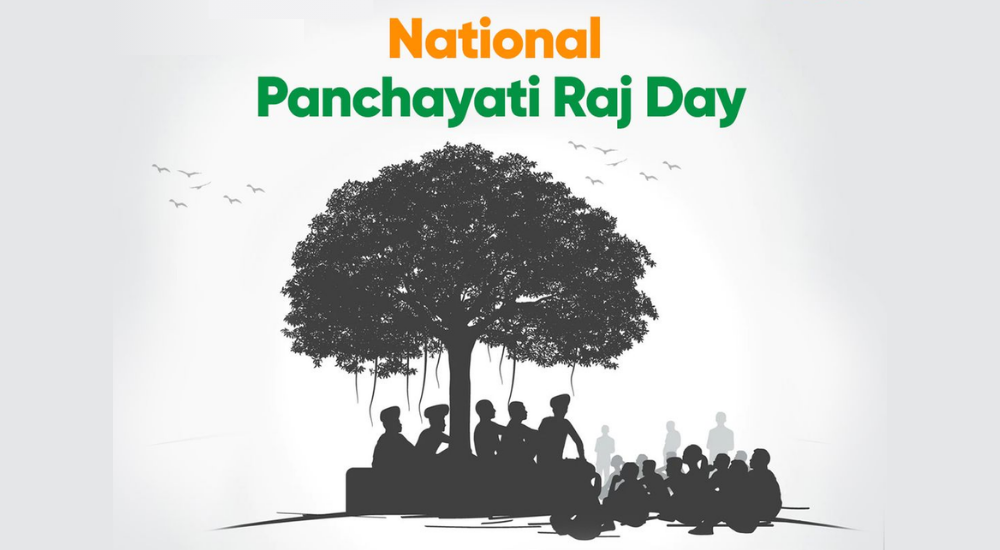
National Panchayati Raj Day is celebrated every year on April 24th with enthusiasm and awareness across the country.
- On this occasion, various programs and events are organized by the Central and State governments to honor the role of Panchayats and highlight their achievements.
- On this day, Panchayat representatives who have done outstanding work are honored, encouraging them and inspiring others. Awareness campaigns are also conducted in rural areas to inform people about their rights and the importance of the Panchayat system.
- Special programs, meetings, and discussions are organized in many places, in which local people actively participate. Additionally, addresses are delivered by the Prime Minister or state-level leaders, highlighting the development of Panchayats and future plans.
If you’re looking for information on educational topics, be sure to check out our website, edublog.cloud. Additionally, for digital products, be sure to check out our other website, vijaybooks.store.
More information related to World Book and Copyright Day 2026 is also available on this website.
Frequently Asked Questions (FAQs) about National Panchayati Raj Day 2026-
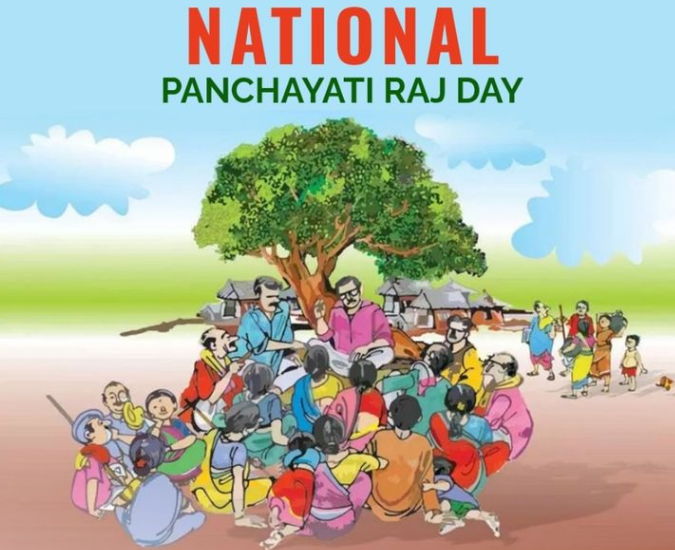
When is National Panchayati Raj Day celebrated?
National Panchayati Raj Day is celebrated every year on April 24th. This day commemorates the enactment of the 73rd Constitutional Amendment.
What is the Panchayati Raj System?
The Panchayati Raj System is a system of local self-governance through which village residents administer their own areas and participate in development work.
How many levels does the Panchayati Raj System have?
This system has three levels: the Gram Panchayat at the village level, the Panchayat Samiti at the block level, and the Zila Parishad at the district level.
What is a Gram Sabha?
The Gram Sabha is a group of all adult citizens of a village, which oversees the affairs of the Panchayat and participates in important decisions.
What is the primary objective of the Panchayati Raj System?
Its primary objective is to empower people at the local level, promote development work, and strengthen democracy at the grassroots level.
How much reservation do women get in Panchayats?
Women have been given at least 33% reservation in Panchayats, while in many states it is up to 50%.
Why is National Panchayati Raj Day important?
This day is important for recognizing the role of Panchayats, strengthening local self-governance, and raising awareness about rural development.
Conclusion-
The Panchayati Raj system is a strong foundation of Indian democracy, empowering villages and guiding the nation’s development. This system not only brings administration to the grassroots level but also empowers ordinary citizens by involving them in the decision-making process.
The role of Panchayats is crucial in the development of rural India. Panchayats’ efforts in areas such as education, health, sanitation, and employment have helped transform villages. This system is continuously working towards building self-reliant and empowered villages.
However, its success does not depend solely on the government or Panchayat representatives; the active participation of every citizen is equally essential. This system is truly successful only when people understand their rights and duties and cooperate with the Panchayat’s work.
Thus, the Panchayati Raj system is an effective means of strengthening democracy. If it receives the right direction and support, it can take India to new heights of development. It is rightly said, “Strong Panchayat, Strong India.”