

Introduction-
Table of Contents
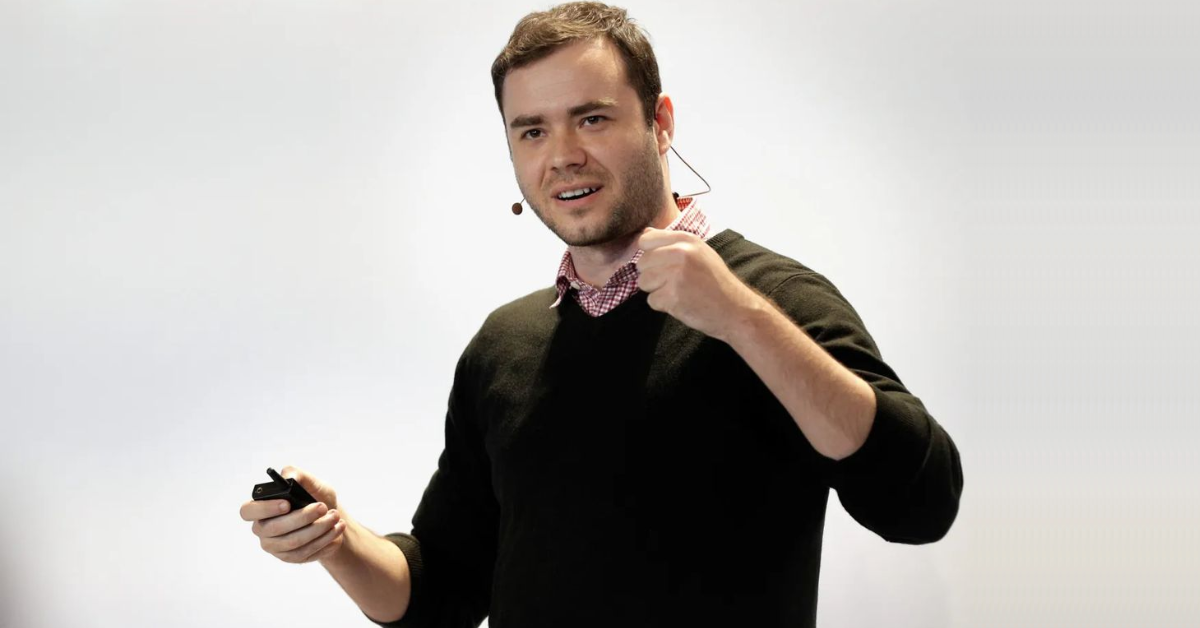
The world of artificial intelligence has been rocked once again. Andrej Karpathy, co-founder of OpenAI and one of the world’s most renowned AI engineers, has joined Anthropic. This is the same Karpathy who played a key role in the early stages of large AI models like GPT. This raises the question: why did he leave OpenAI and join Anthropic?
This news is considered significant for the AI industry because Anthropic is emerging as OpenAI’s biggest competitor. The company’s Cloud AI model is rapidly gaining popularity, and the addition of a veteran like Karpathy could further accelerate the AI race.
According to the latest update, Andrej Karpathy will now work in Anthropic’s Pre-Training Team, where he will help develop the next generation of large language models. This also indicates that the competition between ChatGPT and Cloud AI will be even more interesting in the future.
This news came on May 19, 2026, when Andrej Karpathy officially announced his joining Anthropic.
Who is Andrej Karpathy? (Biography)-
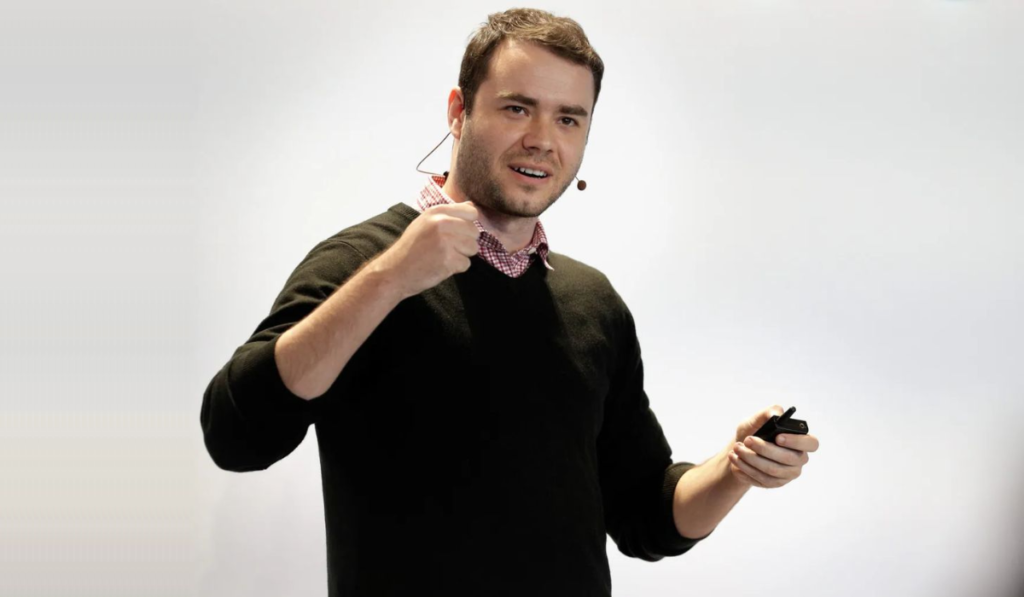
Andrej Karpathy is considered one of the world’s most renowned AI researchers and software engineers. He was born in Slovakia, but his family later moved to Canada. From childhood, he had a keen interest in computers and programming. This interest later made him a prominent figure in the world of artificial intelligence.
After studying computer science, he completed his PhD from the prestigious Stanford University in the US. At Stanford, he conducted research on Deep Learning, Computer Vision, and Neural Networks, which earned him recognition in the AI industry. His research focused on enabling machines to think and understand like humans.
Karpathy was among the first people to work at OpenAI in its early days. He is also considered to have played a significant role in the development of large language models like GPT. Later, he also worked on self-driving technology as AI Director at Tesla.
How did He Become a Prominent Figure in AI Research?
Andrej Karpathy has captured the attention of millions with his unique style of explaining Deep Learning and Neural Networks in simple language. His research papers and AI projects are followed by developers worldwide. His understanding of AI model training and Large Language Models makes him one of the most influential experts in the industry.
His Popularity on Social Media and YouTube-
Karpathy is considered not only an AI engineer but also a brilliant AI educator. His YouTube videos, X posts, and AI explainer content are very popular. He explains complex technical topics in a very simple way, which is why he has a large following among students, developers, and AI enthusiasts.
Andrej Karpathy’s Role at OpenAI-
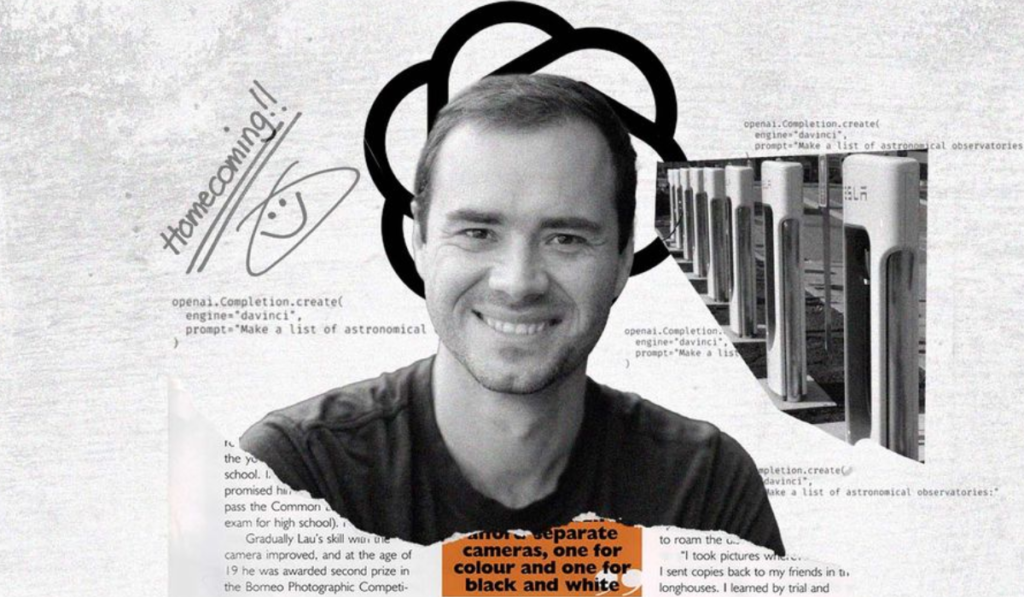
Andrej Karpathy was one of the earliest and most influential members of OpenAI. When OpenAI was founded, the company’s goal was to develop safe and human-friendly artificial intelligence. Karpathy played a key role in advancing this mission. He worked on the research, training systems, and Deep Learning architectures of early AI models.
His contributions to the early development of GPT and Large Language Models are also considered significant. At that time, the AI industry was still in its infancy, but Karpathy foresaw that in the future, language models would be able to converse like humans. His research helped make AI model training more effective and scalable.
Karpathy also focused on AI safety and model training infrastructure. He believed that it was not enough to simply make AI powerful, but also to make it safe and responsible. This thinking later became part of OpenAI’s larger strategies.
However, he left OpenAI some time later. It is believed that he wanted to focus more on independent research, education, and new AI experiments. Furthermore, the rapidly changing environment and new opportunities in the AI industry are also considered major reasons for his decision.
Karpathy’s Vision Before the ChatGPT Era-
Karpathy was among the early AI experts who predicted that Large Language Models would become the most important technology of the future. He considered AI an integral part of human daily life and always emphasized making AI simple and useful.
His Accomplishments at OpenAI-
While at OpenAI, Karpathy made significant contributions to strengthening Deep Learning research, model training systems, and Neural Network architecture. He is also considered crucial in developing the initial understanding of GPT-based technologies.
His Journey to becoming AI Director at Tesla-
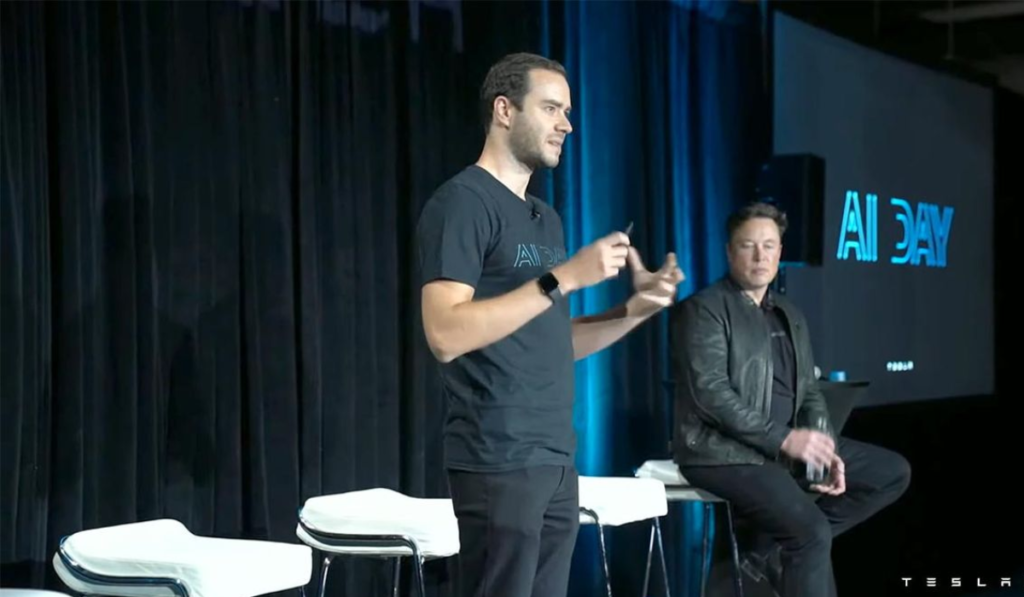
After establishing himself at OpenAI, Andrej Karpathy joined Tesla, the world’s most popular electric car company. He was appointed AI Director, where he worked closely with Elon Musk on self-driving technology. At the time, Tesla was working to improve its Autopilot technology, and Karpathy was one of the key figures in this mission.
At Tesla, his primary focus was on Computer Vision and Deep Learning systems. He contributed to the development of AI technologies that could recognize roads, traffic, pedestrians, and other vehicles using cameras. His role in strengthening Tesla’s Full Self-Driving (FSD) technology is considered crucial.
Karpathy also improved the process of training AI models with millions of driving data points. His research and engineering strategy shaped Tesla’s automated driving technology. However, after several years, he decided to leave Tesla. It is believed that he wanted to devote more time to research, education, and new AI projects.
Contribution to Tesla’s Automated Driving Technology-
Karpathy played a major role in making Tesla’s Autopilot system smarter and more accurate. He worked on training computer vision-based AI systems and improving them according to real road conditions.
Why did Elon Musk praise him?
Elon Musk has publicly praised Karpathy several times. Musk called him an expert in computer vision and said that his understanding of AI and deep learning has been extremely valuable to Tesla.
What is Anthropic?
Anthropic is a rapidly emerging artificial intelligence company founded by former OpenAI researchers. The company’s primary objective is to develop safe, responsible, and trustworthy AI systems for humans. Over the past few years, Anthropic has distinguished itself in the AI industry and is now considered OpenAI’s biggest competitor.
Anthropic’s most popular AI model is “Claude AI.” It is a Large Language Model (LLM)-based chatbot designed for human-like conversations, content writing, coding, and research. Cloud AI is rapidly gaining popularity due to its safe responses and superior understanding capabilities.
The biggest difference between OpenAI and Anthropic is their approach to AI safety. While many companies focus on making AI more powerful, Anthropic focuses on keeping AI safe and controlled. The company is working on techniques like “Constitutional AI” to ensure AI systems respond more responsibly.
Why is Cloud AI gaining Popularity?
Claude AI is rapidly gaining popularity due to its natural conversational style, ability to understand long information, and secure responses. Many users find it useful for research, writing, and professional work.
Anthropic’s Rapidly Growing Strength-
Anthropic has rapidly emerged as a major player in the AI industry. The company is backed by major investors, and the addition of a leading AI expert like Andrej Karpathy could further enhance its strength.
Why did Andrej Karpathy join Anthropic?
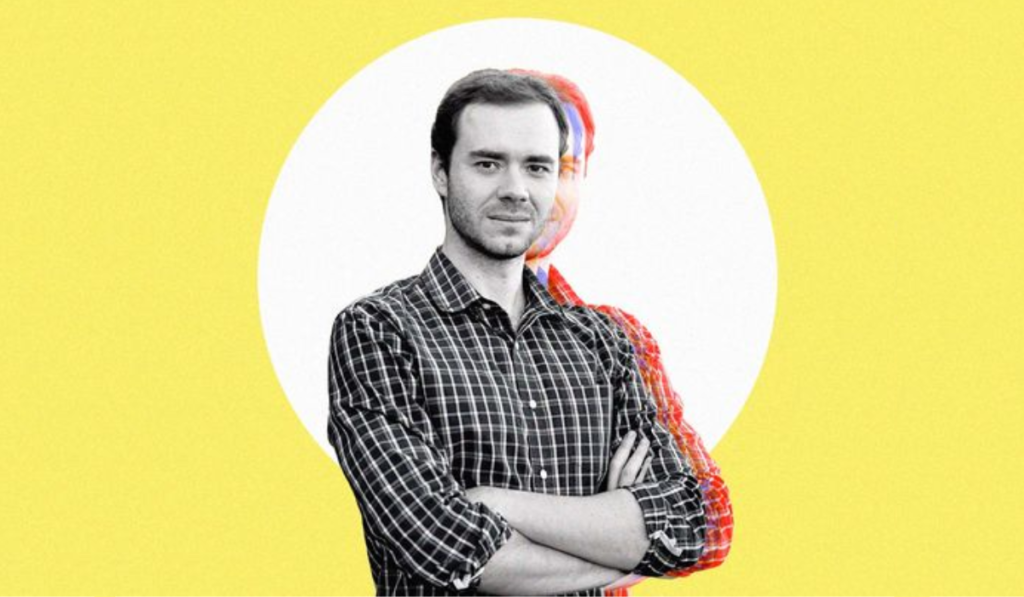
The joining of world-renowned AI researcher Andrej Karpathy to Anthropic has become one of the biggest news stories in the tech industry. Karpathy himself stated that the coming years will be crucial for the future of Large Language Models (LLMs). He believes that AI technology is still in its infancy and will see significant changes in the future.
Karpathy has long worked on AI research, Deep Learning, and model training systems. After working at OpenAI and Tesla, he now wants to focus solely on research and development. This is believed to be the reason why he decided to join Anthropic’s Pre-Training Team.
According to experts, Karpathy’s greatest strength is his deep understanding of training and scaling Large Language Models. Anthropic is currently working on making Cloud AI models smarter, safer, and more powerful. In such a situation, Karpathy’s experience could prove to be extremely valuable for the company.
Karpathy’s move also reflects the growing “talent war” in the AI industry. Today, companies like OpenAI, Google, Meta, and Anthropic are striving to attract the world’s best AI engineers. Karpathy’s move to Anthropic is being seen as a direct indication of the company’s growing ambition.
What will he do in Anthropic’s Pre-Training Team?
Karpathy will now work in Anthropic’s Pre-Training Team. This team focuses on training large language models, improving data systems, and developing next-generation cloud models. It is believed that he will play a key role in improving model architecture, training infrastructure, and enhancing AI capabilities.
Will OpenAI face a Major Setback?
AI experts believe that Karpathy’s move to Anthropic could prove to be a major setback for OpenAI. He is considered highly experienced in the field of AI model training and Deep Learning. In such a situation, their experience can make Cloud AI stronger than ChatGPT.
Why is the Talent War Escalating in the AI industry?
The world of artificial intelligence is currently witnessing a fierce battle not just for technology, but also for talent. Major companies like OpenAI, Anthropic, Google, and Meta are spending millions of dollars to attract the world’s best AI researchers. The reason is clear-the company that retains the best AI minds will be ahead in the future AI race.
The rapidly growing influence of Large Language Models and Generative AI has exponentially increased the demand for experienced AI engineers. Researchers specializing in areas like Deep Learning, Neural Networks, and AI Safety have become some of the most valuable professionals in the tech industry. This is why names like Andrej Karpathy, Ilya Sutskever, and Mira Murati are constantly in the headlines.
AI companies are now attracting top talent not only by offering good salaries, but also by offering research freedom, high-end computing systems, and the opportunity to work on large AI projects. According to several reports, AI researchers are being offered packages worth millions of dollars.
Why are AI Companies chasing Talent?
Developing AI models is a complex task. It requires experts with a deep understanding of large language models, data training, and AI infrastructure. This is why companies are competing fiercely to acquire experienced AI researchers.
Are AI Researchers the New Superstars?
Today, AI researchers are no less than celebrities. Their popularity is rapidly growing on social media, at conferences, and in the tech industry. Many AI experts are now considered among the most influential people shaping the future of technology.
Karpathy’s New AI Ideas and Trends-

Andrej Karpathy is not only an AI researcher but also known for his understanding of new technology trends and his ability to explain them in simple language. Recently, he popularized the term “Vibe Coding,” which reflects a new approach to fast and intuitive coding with AI. He believes that in the future, developers will not be limited to just writing code, but will work collaboratively with AI.
Karpathy also considers “Agentic Engineering” to be the next big step in AI. This means creating AI systems that can make decisions like humans and complete many tasks on their own. He sees AI coding tools as the future of software development, where AI will not only provide suggestions but also help build entire projects.
Karpathy believes that in the coming years, AI could completely change the way humans work. However, he also says that AI will become a tool that enhances humans’ capabilities rather than replacing them.
What is Vibe Coding?
Vibe Coding is a trend in which developers use AI tools to write code faster and more creatively. It involves humans and AI working together to simplify software development.
Will AI Reduce Human Coding Skills?
According to Karpathy, AI can make basic coding tasks easier, but humans will always play an important role in creative thinking, problem-solving, and developing new technologies.
Can Anthropic Compete with OpenAI now?
Anthropic is rapidly emerging as OpenAI’s biggest rival in the AI industry. The competition between Cloud AI and ChatGPT has become more interesting than ever. While ChatGPT is considered ahead due to its popularity and large user base, Cloud AI is rapidly gaining recognition for its safer and more balanced responses.
This race among AI models isn’t just about building better chatbots. Companies are now striving to create smarter, faster, and more human-like AI systems. In this context, the addition of an experienced AI expert like Andrej Karpathy to Anthropic could prove to be a major advantage for the company.
Karpathy’s deep knowledge of Deep Learning, Large Language Models, and AI Training Systems could help strengthen Cloud AI further. In the coming years, the competition between OpenAI and Anthropic could become one of the biggest tech battles shaping the direction of the AI world.
If you’re looking for information on educational topics, be sure to check out our website, edublog.cloud. Additionally, for digital products, be sure to check out our other website, vijaybooks.store.
More information related to Salesforce CEO Marc Benioff & $300 Million AI Spend is also available on this website.
Frequently Asked Questions (FAQs) about OpenAI Co-founder Andrej Karpathy Joins Anthropic-
Who is Andrej Karpathy?
Andrej Karpathy is a world-renowned AI researcher, software engineer, and Deep Learning expert. He was one of the founding members of OpenAI and also served as AI Director at Tesla. He is considered a major contributor to the field of Large Language Models and Computer Vision.
What is Anthropic?
Anthropic is an artificial intelligence company founded by former OpenAI researchers. The company focuses on developing safe and responsible AI systems. Its most popular AI model is Cloud AI.
What is the difference between Cloud AI and ChatGPT?
Cloud AI is Anthropic’s AI model, while ChatGPT was developed by OpenAI. Cloud AI is known for its safe and balanced responses, while ChatGPT is used worldwide due to its broad capabilities and popularity.
Why did Karpathy leave OpenAI?
Andrej Karpathy is believed to have wanted to focus more on research, education, and new AI projects. Rapidly changing opportunities in the AI industry and interest in advanced LLM research are also believed to be major reasons for his decision.
Can Anthropic challenge OpenAI?
Yes, Anthropic is rapidly emerging as OpenAI’s biggest rival. The growing popularity of Cloud AI and the addition of an experienced AI expert like Andrej Karpathy could further strengthen the company’s position.
What impact has Andrej Karpathy had on the AI industry?
Andrej Karpathy has had a profound impact on the AI industry. He made early and significant contributions to the development of Deep Learning, Neural Networks, and Large Language Models. His work at major organizations like OpenAI, Tesla, and now Anthropic has helped shape the direction of AI technology. He is known not only for his research but also for his AI education and easy-to-understand explanations, helping millions of developers and students better understand AI.
Conclusion-
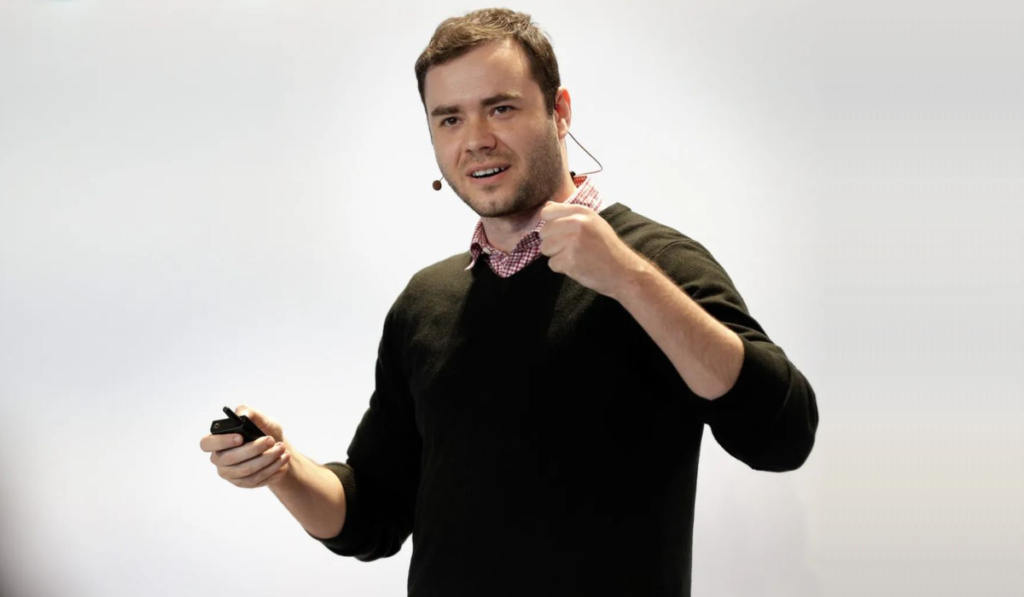
Andrej Karpathy’s joining Anthropic isn’t just a job change; it’s being considered a turning point in AI history. The growing competition between companies like OpenAI, Anthropic, Google, and Meta indicates that artificial intelligence is poised to become the world’s most influential technology in the coming years.
The addition of an experienced AI expert like Karpathy to Anthropic signals that Cloud AI could be made even more powerful and advanced in the future. This is likely to intensify the race between OpenAI and Anthropic in AI models.
Today, the entire tech world is focused on who will bring the next major AI revolution-ChatGPT or Cloud AI? In the future, this competition could become not just a battle between companies, but the biggest battle that will determine the direction of future technology.