

Introduction: What is the Cyclospora Parasite Outbreak?
Table of Contents
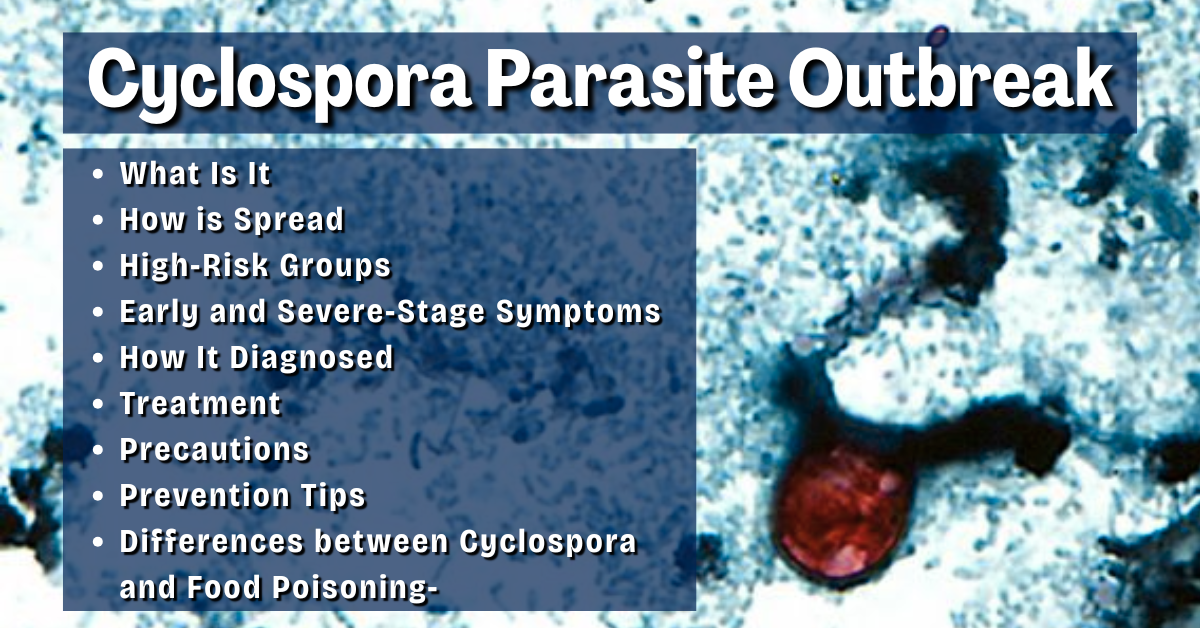
Cyclospora is a microscopic parasite, scientifically known as Cyclospora cayetanensis. It is not a bacterium or virus, but rather a parasite that enters the human body primarily through contaminated food and unsafe water. Upon infection, the small intestine is affected, causing prolonged diarrhea, abdominal pain, nausea, weakness, and other digestive problems.
The Cyclospora parasite outbreak has recently become a topic of global discussion. Health officials in the United States are investigating a large, multi-state outbreak. As of July 6, 2026, there have been 694 confirmed cases in 18 states, with nearly 1,000 cases reported in Michigan. This outbreak has led to dozens of hospitalizations. Experts suggest that contaminated fresh fruits, leafy vegetables, herbs, and unsafe drinking water may be major sources of infection.
In this article, you’ll learn about the Cyclospora parasite, how it spreads, its early and severe symptoms, who is most at risk, how it’s diagnosed and treated, and what effective measures can be taken to prevent this infection. With proper information and timely precautions, the risk of this infection can be significantly reduced.
Our Other Useful Websites-
If you’re looking for information on educational topics, be sure to check out our website, edublog.cloud. Additionally, for digital products, be sure to check out our other website, vijaybooks.store.
Information related to the Powassan Virus is also available on this website.
What is the Cyclospora Parasite?
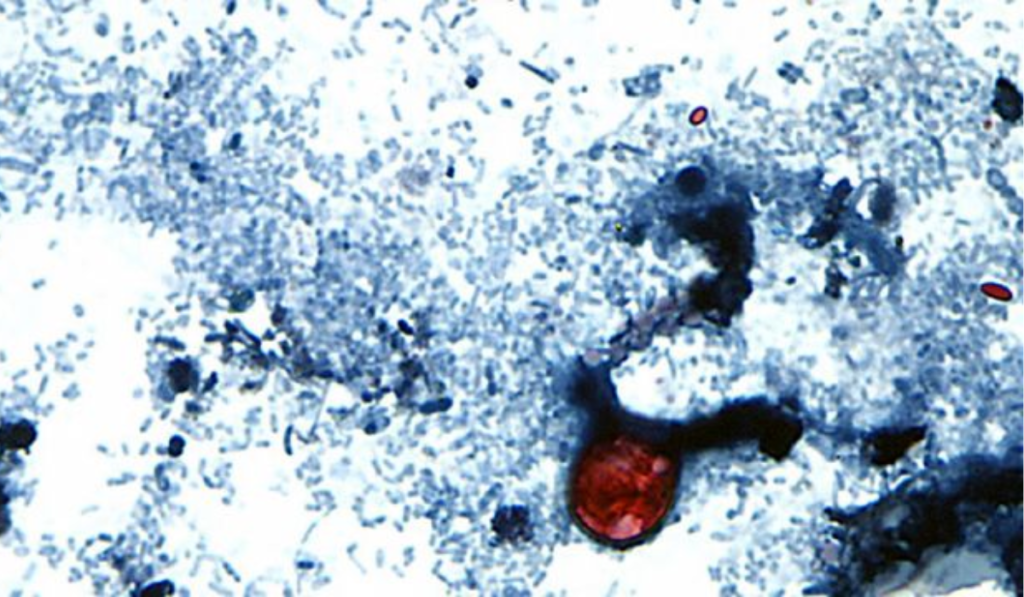
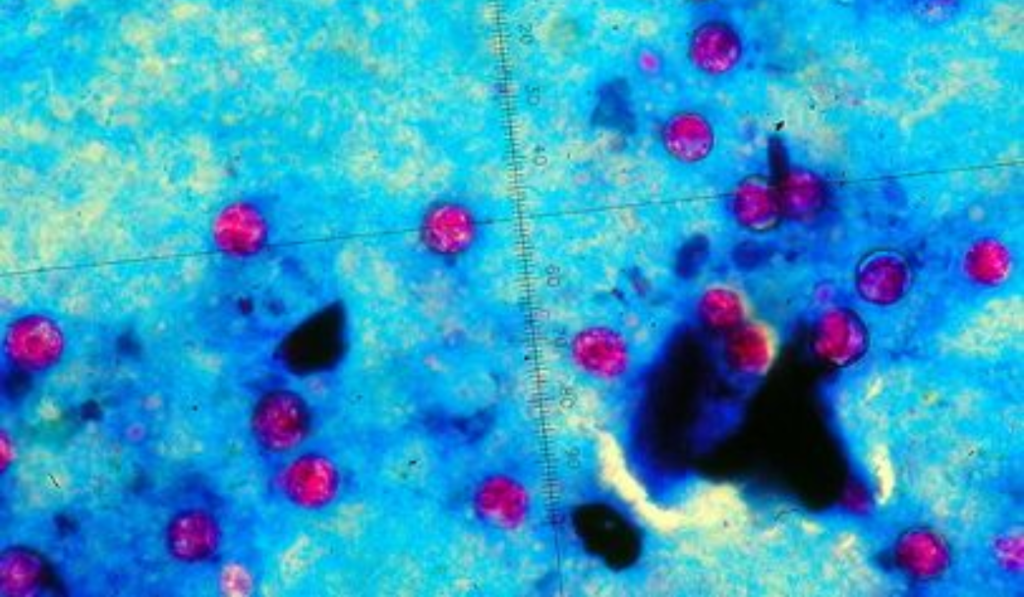
Cyclospora is a microscopic single-celled parasite, scientifically known as Cyclospora cayetanensis. It is so small that it cannot be seen with the naked eye. Upon entering the human body, it primarily infects the digestive tract, particularly the small intestine. Like many other parasites, it depends on the human body for survival and growth.
This parasite typically enters the body through contaminated food, unwashed fresh fruits and vegetables, or contaminated water. Once in the body, it affects the inner lining of the small intestine, disrupting nutrient absorption. This can result in prolonged diarrhea, abdominal cramps, nausea, weakness, loss of appetite, and weight loss.
Most healthy people recover from the infection with timely treatment, but if treatment is delayed or the patient’s immune system is weakened, the infection can become more severe. Young children, the elderly, pregnant women, and those with weakened immune systems are at higher risk of dehydration and other complications. Therefore, it is essential to seek medical advice and proper testing as soon as symptoms appear.
How is Cyclospora Infection Spread?
Cyclospora infection is primarily spread through contaminated food and unsafe water. It is not spread through casual contact, handshakes, or sitting together. When a person consumes food or water contaminated with Cyclospora cayetanensis, the parasite enters the body and infects the small intestine. To prevent infection, special attention must be paid to food hygiene and safe drinking water.
1. Contaminated Fruits and Vegetables-
- Unwashed fresh fruits and leafy vegetables can be a major cause of infection.
- Contaminated irrigation water or unsanitary packaging can cause the parasite to reach the surface of foods.
- Salads or foods eaten raw are at higher risk of infection.
2. Contaminated Water-
- Drinking contaminated or unsafe drinking water can cause infection.
- Ice or beverages made from contaminated water can also increase the risk.
- Using contaminated water to wash or prepare food can spread the infection.
3. Poor Hygiene-
- Not washing hands thoroughly before preparing food.
- Not regularly cleaning the kitchen, utensils, and food items.
- Preparing or serving food in an unsanitary environment.
4. Negligence in Food Preparation-
- Using fruits and vegetables without thoroughly washing them.
- Not using clean and safe water.
- Ignoring food safety and hygiene regulations.
5. Infection During Foreign Travel-
- Traveling to countries or areas where access to clean drinking water and food safety is limited.
- Eating unsafe or raw food on the roadside.
- Not using only safe or bottled water.
6. Under What Circumstances is the Infection More Likely to Spread?
- Availability of contaminated drinking water.
- In areas with poor sanitation and sewage systems.
- Poor hygiene during the cultivation, packaging, or processing of fruits and vegetables.
- Consuming fresh fruits, leafy vegetables, and other raw foods without thoroughly washing them.
- In areas with limited availability of safe food and clean water.
7. Which Seasons are Most at Risk?
- Infection cases may increase during the summer season.
- Contaminated water may increase the risk during the rainy season.
- Infection is more likely in areas with high humidity and unsanitary conditions.
- However, if food or water is contaminated, infection can occur at any time of the year.
Who is Most at Risk?
Although Cyclospora infection can affect people of any age, some people are at higher risk. In these individuals, the infection can become severe, and recovery can take longer. Such individuals should pay special attention to food and water hygiene.
1. Small Children-
- Children’s immune systems are not fully developed.
- Infections pose a higher risk of diarrhea and dehydration.
- If not treated promptly, they may develop weakness and nutritional problems.
2. Elderly-
- With advancing age, the body’s ability to fight disease may decrease.
- Infections can cause prolonged diarrhea and weakness.
- Having other health problems increases the risk of complications.
3. Pregnant Women-
- Infections during pregnancy can cause dehydration and nutrient deficiencies.
- It is important to seek medical advice if persistent diarrhea and vomiting occur.
- Consuming safe food and clean water is especially important.
4. People with Weakened Immune Systems-
- Infections can be more serious in people with weakened immune systems.
- This may include those taking medications after organ transplants, those suffering from certain chronic illnesses, or those receiving immune-suppressing treatments.
- Infections can persist for a long time in such patients.
5. People with Cancer or Other Serious Illnesses-
- Cancer, serious chronic illnesses, or their treatment can compromise the body’s immune system.
- Such people are at higher risk of dehydration, weakness, and other complications from infection.
- If any symptoms appear, consult a doctor immediately.
Symptoms of Cyclospora Infection-
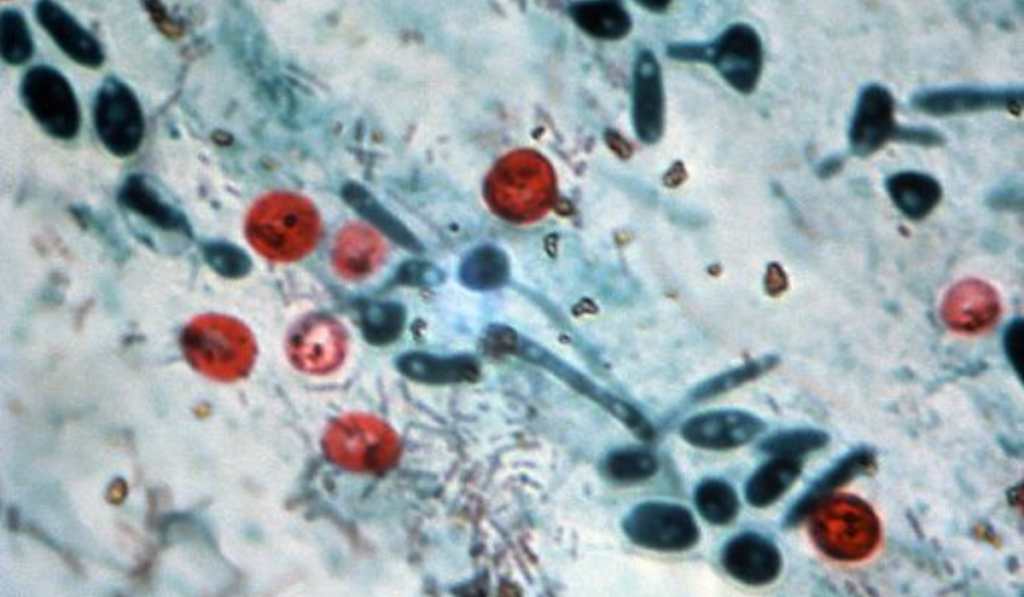
Symptoms of Cyclospora infection can vary from person to person. Some people experience mild infections, while others may experience prolonged diarrhea and digestive problems. Symptoms usually appear within 2 to 14 days of consuming contaminated food or water. In most cases, symptoms begin after about 1 week.
Early Symptoms-
The following symptoms may appear early in the infection:
- Persistent or frequent watery diarrhea
- Abdominal cramps and pain
- Nausea
- Vomiting
- Loss of appetite
- Extreme fatigue and weakness
- Mild fever
- Bloating and gas
- Headache
- Feeling weak
Symptoms of the Severe Stage-
If not treated promptly, the infection can become serious and lead to the following problems:
- Persistent diarrhea for several days or weeks
- Severe dehydration
- Rapid weight loss
- Extreme weakness and dizziness
- Decreased nutrient absorption
- Decreased urination
- Extreme dryness of the mouth and skin
- Infection may persist for a longer period in people with weakened immunity
After How Many Days Do the Symptoms Appear?
- Symptoms may develop within 2 to 14 days of consuming contaminated food or water.
- Symptoms begin around 7 days for most people.
- If proper treatment is not received, symptoms may persist for several weeks or may return.
When Should One Consult a Doctor?
Consult a doctor immediately if:
- Diarrhea persists for more than 2-3 days.
- Repeated vomiting makes it difficult to accept water or food.
- High fever or blood in the stool.
- Signs of dehydration such as excessive thirst, dizziness, dry mouth, or decreased urination.
- Signs of infection appear in young children, the elderly, pregnant women, or individuals with weakened immune systems.
Important Warnings-
- Do not ignore prolonged diarrhea, thinking it is normal food poisoning.
- Do not take antibiotics or other medications without consulting a doctor.
- Drink plenty of water and ORS during diarrhea to avoid dehydration.
- If symptoms persist or persist for several days, consult a doctor as soon as possible.
- With early diagnosis and proper treatment, most patients recover completely and serious complications can be avoided.
How is Cyclospora Diagnosed?
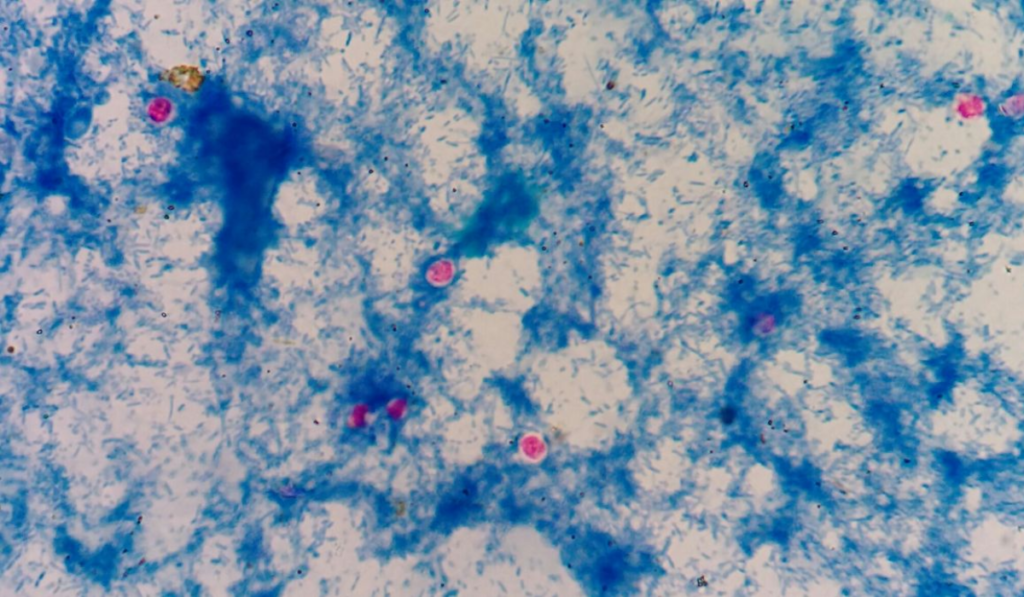
The symptoms of Cyclospora infection can often be similar to those of common food poisoning, viral gastroenteritis, or other parasitic infections. Therefore, it is not possible to confirm the diagnosis based on symptoms alone. For a correct diagnosis, doctors assess the patient’s symptoms and travel history and recommend necessary lab tests.
1. Stool Test-
- Stool testing is the most important test for confirming Cyclospora infection.
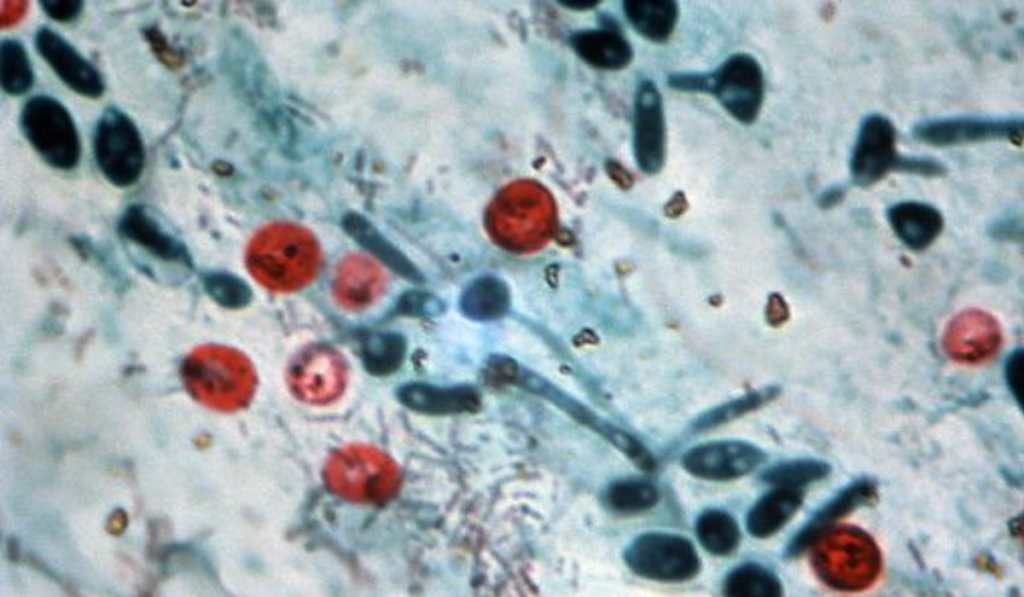
- The stool sample is examined in the laboratory to identify the parasite’s eggs (oocysts).
- Sometimes the parasite is not found in every sample, so the doctor may recommend providing more than one stool sample.
2. Specialized Lab Tests-
- Specialized tests, such as microscopic testing or molecular testing (PCR), may be performed if necessary.
- These tests help in more accurately identifying the infection.
- In the event of a large outbreak, public health laboratories may also perform specialized testing.
3. Medical History by a Doctor-
During the examination, the doctor collects important information from the patient, such as:
- When did the symptoms begin?
- What did you eat or drink recently?
- Have you recently traveled to another country or region?
- Do other family members have similar symptoms?
- Do you have any previous serious illnesses or a weakened immune system?
4. Differentiation from Other Infections-
The symptoms of Cyclospora can be similar to those of food poisoning, norovirus, Salmonella, E. coli, Giardia, and other intestinal infections. Therefore, before initiating the appropriate treatment, doctors will differentiate between these infections through necessary tests and plan treatment accordingly.
Important: If diarrhea, abdominal pain, or weakness persist for a long time, it is safest and most appropriate to consult a doctor rather than self-medicate.
How is Cyclospora Treated?
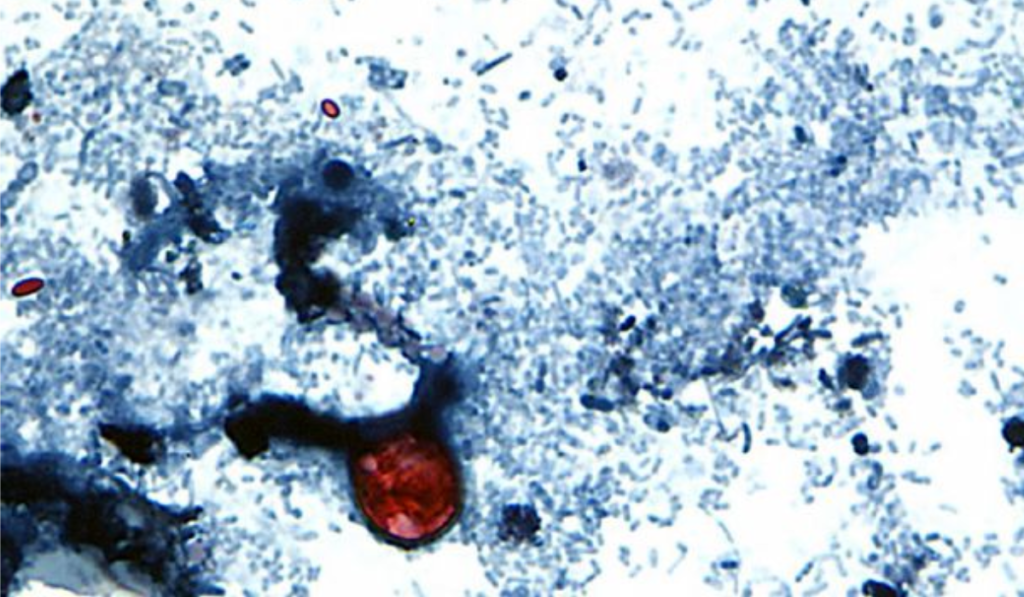
Treatment for Cyclospora infection depends on the patient’s age, severity of symptoms, and health status. Most patients recover completely with timely and appropriate treatment. If prolonged diarrhea or dehydration persists, consult a doctor immediately.
1. Medication Prescribed by a Doctor-
- Doctors prescribe appropriate medication after confirming the infection.
- Trimethoprim/Sulfamethoxazole (TMP-SMX) is commonly used to treat Cyclospora infection, if it is appropriate for the patient.
- Complete the medication dosage and duration as directed by your doctor.
- Stopping the medication midway may cause the infection to recur.
2. Replenishing Dehydration-
- Diarrhea and vomiting can cause depletion of water and electrolytes.
- Drink plenty of water, ORS, coconut water, or other safe fluids.
- In case of severe dehydration, fluids may be given through a vein (IV) in the hospital.
3. Get Adequate Rest-
- The body needs adequate rest to recover from an infection.
- Avoid strenuous physical exertion.
- Getting enough sleep can speed up recovery.
4. Eat Nutritious and Light Foods-
- Eat light, easily digestible meals.
- Foods like khichdi, yogurt (unless the doctor advises), bananas, rice, and soup may be beneficial.
- Avoid eating too much fried, spicy, or unhygienic food.
5. When is a Hospital Visit Necessary?
Go to the hospital immediately if:
- Severe diarrhea lasts for several days.
- Inability to drink water due to repeated vomiting.
- Symptoms of dehydration such as dizziness, dry mouth, or decreased urination.
- Severe weakness, fainting, or low blood pressure.
- Severe symptoms may occur in young children, the elderly, pregnant women, or those with weakened immune systems.
Important Note-
Do not self-medicate. Cyclospora symptoms can mimic other infections, so it’s essential to consult a doctor for a proper diagnosis and treatment. Complete the prescribed course of medication and avoid taking any antibiotics or other medications without medical advice.
What Precautions Should You Take at Home?

If someone in your family has a Cyclospora infection or is at risk, taking a few simple precautions can significantly reduce the risk. Cleanliness, safe food, and safe water are the most effective ways to prevent this infection.
1. Drink Only Clean and Safe Water-
- Drink only boiled, filtered, or safe drinking water.
- Use clean water for cooking and washing fruits and vegetables.
- Prefer safe or bottled water when going out.
2. Wash Fruits and Vegetables Thoroughly-
- Eat fresh fruits, leafy vegetables, and herbs only after washing them thoroughly with clean water.
- If possible, peel them and consume them.
- Avoid eating raw foods without washing them.
3. Practice Handwashing Habits-
- Wash your hands with soap and water for at least 20 seconds before preparing and eating food.
- Clean your hands thoroughly after using the toilet.
- Teach children the habit of washing their hands regularly.
4. Avoid Eating Raw Food from Outside-
- Avoid eating cut fruit, salads, or other raw foods found on the roadside.
- Eat only fresh and thoroughly cooked food.
- Pay special attention to food hygiene while traveling.
5. Keep the Kitchen Clean-
- Regularly clean the kitchen, utensils, and food preparation surfaces.
- Keep raw and cooked food separate.
- Always keep food covered to prevent contamination.
6. Take Special Care of Children-
- Give children only safe water and clean food.
- Provide adequate water and ORS in case of diarrhea or vomiting.
- If a child shows symptoms of persistent diarrhea, severe weakness, or dehydration, contact a doctor immediately.
Keep in Mind: The most effective way to prevent Cyclospora infection is to eat clean food, drink safe water, and maintain good personal hygiene. By taking simple precautions, you can protect yourself and your family from this infection.
Simple Ways to Prevent Cyclospora Infection-
The most effective way to prevent Cyclospora infection is to eat clean food, drink safe water, and practice good personal hygiene. Since this infection is primarily spread through contaminated food and water, taking a few simple precautions in daily life can significantly reduce the risk.
1. Drink Boiled or Safe Water-
- Always drink boiled, filtered, or safe drinking water.
- Use clean water for cooking and washing fruits and vegetables.
- Use only sealed or safe water when traveling.
2. Eat Clean and Fresh Food-
- Always eat fresh and thoroughly cooked food.
- Avoid eating food that has been left out in the open for long periods.
- Pay special attention to cleanliness when preparing food.
3. Wash Fruits and Vegetables Thoroughly-
- Use fresh fruits, leafy vegetables, and herbs only after washing them thoroughly with clean water.
- If possible, peel fruits before eating.
- Avoid eating raw foods without washing them.
4. Take Precautions While Traveling-
- Pay special attention to the quality of food and water when traveling in such areas.
- Do not eat cut fruits, salads, or unsanitary food found on the roadside.
- Only buy food and beverages from trusted sources.
5. Maintain Hand Hygiene-
- Wash hands with soap and water for at least 20 seconds before preparing and eating food.
- Clean hands thoroughly after using the toilet.
- Teach children to wash their hands regularly.
6. Keep Food Covered-
- Always keep food covered to protect it from dust, flies, and other contaminants.
- Keep raw and cooked food separate.
- Clean the kitchen and utensils regularly.
Remember-
There is no widely available vaccine to prevent Cyclospora infection. Therefore, drinking safe water, eating clean food, thoroughly washing fruits and vegetables, maintaining hand hygiene, and following food safety rules are the most effective ways to prevent this infection. By taking simple precautions, you can protect yourself and your family from this parasitic infection.
Is Cyclospora Transmitted from Person to Person?
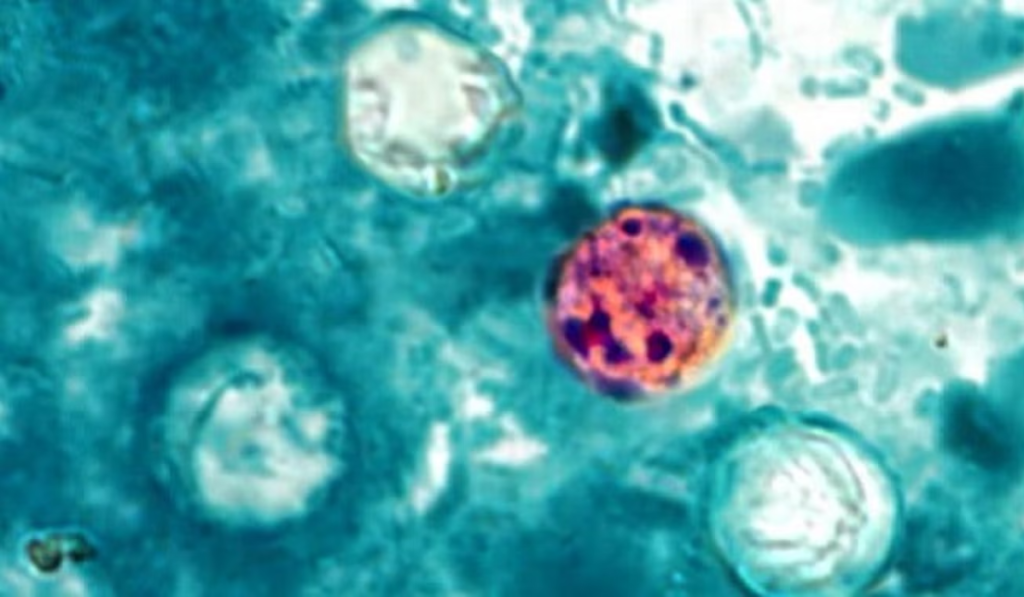
Under normal circumstances, Cyclospora infection does not spread directly from one person to another. The parasite is excreted through the feces of an infected person, but at that time, it is not immediately infectious. To become infectious, it needs to grow in the environment for some time (usually from several days to about two weeks, under favorable conditions). After this, it can spread to another person through contaminated water or food and cause infection.
Actual Infection Cycle-
- The parasite is excreted in the feces of an infected person.
- It grows in the environment for a few days and becomes infectious.
- It reaches contaminated water, fruits, or vegetables.
- A new person can become infected by consuming contaminated food or water.
Myth and Truth-
Myth: Cyclospora spreads quickly through casual contact, shaking hands, or sitting together.
Truth: This infection is usually spread through contaminated food and water, not through casual person-to-person contact. Therefore, the most effective way of prevention is to consume safe food, clean drinking water, and adopt good personal hygiene.
Differences between Cyclospora and Food Poisoning-
Many symptoms of Cyclospora infection and common food poisoning, such as diarrhea, abdominal pain, and nausea, can be similar. However, the causes, time of symptom onset, and treatment differ significantly. Proper treatment is possible only with proper identification.
| Comparison | Cyclospora Infection | Common Food Poisoning |
| Cause | Parasite (Cyclospora cayetanensis) | Bacteria, viruses, or their toxins |
| Source of Infection | Contaminated fruits, vegetables, and water | Contaminated or improperly stored food and drinks |
| Symptoms Begin | Usually 2-14 days after infection (commonly around 1 week) | Within a few hours to 1-3 days |
| Main Symptoms | Persistent diarrhea, stomach cramps, nausea, fatigue, weight loss | Diarrhea, vomiting, stomach pain, nausea, fever |
| Duration of Diarrhea | Can last several days to weeks if untreated | Usually 1-3 days, sometimes longer depending on the cause |
| Treatment | Doctor-prescribed medication, fluids, rest | Fluids, rest, and treatment based on the cause |
| Risk Level | Higher risk for people with weakened immune systems | Usually mild, but some infections can become severe |
| Prevention | Safe drinking water, properly washed fruits and vegetables, good hygiene | Proper food handling, cooking, refrigeration, and hand hygiene |
Conclusion: If diarrhea persists for a long time, returns frequently, or is accompanied by symptoms of weakness and dehydration, do not dismiss it as simple food poisoning. With proper examination and doctor’s advice, it can be determined whether the infection is due to Cyclospora or some other reason, so that appropriate treatment can be started on time.
Frequently Asked Questions (FAQs) about Cyclospora Parasite Outbreak-
Is Cyclospora infection fatal?
In most cases, Cyclospora infection is not life-threatening, and patients recover completely with timely treatment. However, if the infection is left untreated or the patient’s immune system is weakened, the risk of dehydration and other complications may increase.
Is it more dangerous in children?
Yes, persistent diarrhea in young children can quickly lead to depletion of water and essential minerals. Therefore, if children develop symptoms, consult a doctor as soon as possible.
Are antibiotics prescribed for every patient?
No. Not every patient receives the same medication. Treatment depends on the patient’s age, health condition, severity of symptoms, and test results. Therefore, no medication should be taken without consulting a doctor.
How long does the infection last?
Symptoms typically begin within 2 to 14 days. With proper treatment, the infection can resolve within a few days to a few weeks. However, without treatment, symptoms may persist for a longer period of time or may return.
Can reinfection occur?
Yes. If a person consumes contaminated food or water again, they can become infected with Cyclospora. Therefore, it is always important to take preventive measures against infection.
Does boiling water prevent infection?
Yes, drinking thoroughly boiled or safe drinking water can reduce the risk of infection through contaminated water. It is also equally important to wash fruits and vegetables thoroughly, eat hygienic food, and maintain hand hygiene.
Conclusion-
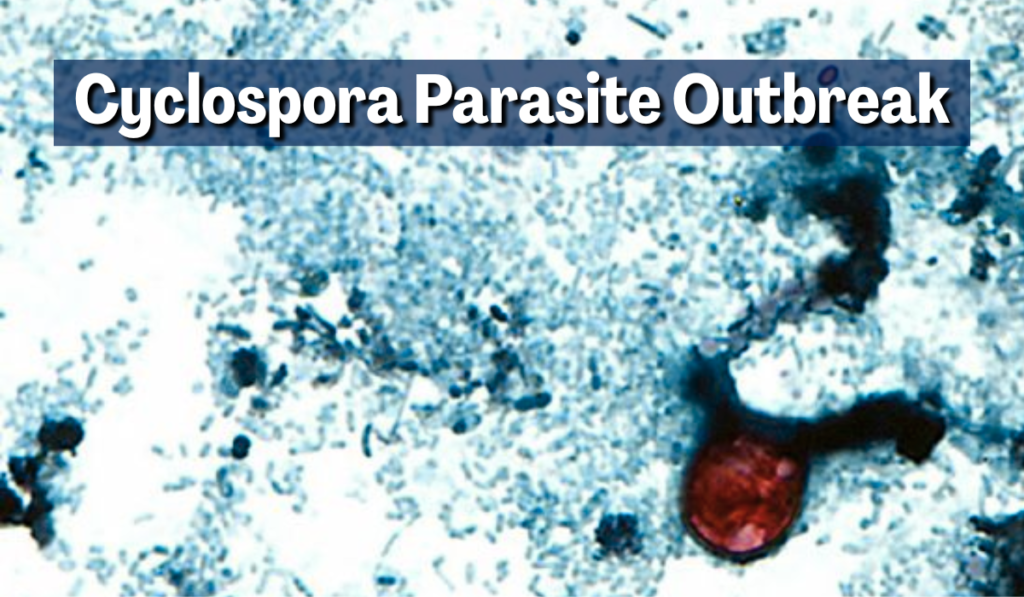
Cyclospora is a microscopic parasite that enters the body primarily through contaminated food and unsafe water. It can cause problems such as prolonged diarrhea, abdominal pain, nausea, and weakness. However, with timely identification and proper treatment, most patients recover completely. Therefore, persistent diarrhea or other serious symptoms should not be ignored, and a doctor should be consulted promptly.
To prevent this infection, it is essential to eat clean food, drink safe water, regularly wash hands, and consume fruits and vegetables after thoroughly washing them. Instead of panicking, rely on authentic and accurate health information, avoid self-medication, and follow your doctor’s advice. By taking small precautions, you can significantly protect yourself and your family from the risk of Cyclospora infection.