
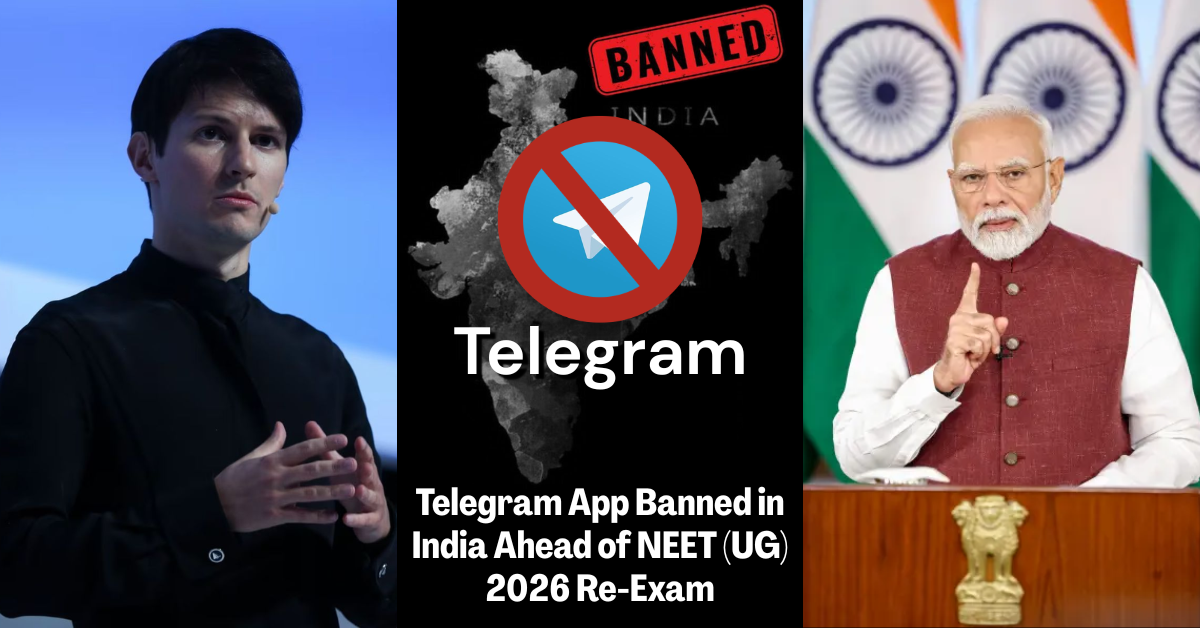

Introduction: Why has the Action Against Telegram Sparked a Stir?
Table of Contents
Telegram has once again been in the headlines recently. Discussions about this messaging platform have suddenly intensified after the NEET paper leak controversy surfaced. Various reports claimed that sensitive information related to the exam and allegedly leaked material were circulated through certain Telegram channels and groups. Following this, the central government took the matter seriously and began closely monitoring the platform’s activities.
This development has raised concerns among millions of students, parents, and candidates preparing for competitive exams. Many are wondering whether Telegram could be banned and what impact this would have on their studies, note-sharing, and online communities.
In fact, this issue is not limited to Telegram alone. It has also sparked a new debate on the accountability of social media platforms, digital security, and the transparency of the examination system. Consequently, the NEET paper leak and the questions raised about Telegram have become a major topic of discussion across the country.
What is the NEET Paper Leak Case?
The Importance of the NEET Exam-
NEET (National Eligibility cum Entrance Test) is one of the most important medical entrance exams in the country. Students must pass this exam to gain admission to MBBS, BDS, and other medical courses. Every year, millions of students appear for the NEET exam with the dream of becoming doctors, making the exam’s fairness and credibility extremely important. This is why any irregularities related to the exam are taken seriously.
How Did the NEET Paper Leak Controversy Emerge?
After the NEET exam, some students and parents alleged question paper leaks and irregularities in the examination process. Several claims and alleged documents went viral on social media, sparking national discussion. Investigative agencies began investigating the allegations, and raids and inquiries were conducted in several states. During this investigation, the names of some suspicious networks and individuals also emerged. As the controversy escalated, students and parents expressed concern about the exam’s transparency and demanded an impartial investigation.
How Did Telegram Become Involved in the Controversy?
During the investigation, reports emerged that allegedly leaked exam-related material was being shared on certain Telegram channels and groups. While all claims can only be confirmed after an investigation, the emergence of Telegram’s name raised questions about the platform’s role. Consequently, the government and investigative agencies increased their monitoring of activities on Telegram, bringing the issue into sharper focus.
Why Did the Government Take Notice of Telegram?
Allegations of Dissemination of Leaked Material-
During the NEET paper leak controversy, Telegram’s name came into focus when some reports claimed that allegedly leaked material and question papers related to the exam were shared on various Telegram channels and groups. Screenshots and messages circulating on social media further aggravated the matter. Although no claims can be officially confirmed until the investigation is complete, these allegations have brought Telegram’s role into question. Consequently, investigative agencies began investigating the content being shared on the platform.
Encryption and Monitoring Challenges-
Telegram is known for its strong privacy and security features. The encryption technology and private channels available on the platform make it difficult to monitor messages and files. Therefore, if any illegal activity is suspected, investigating agencies may face additional challenges in gathering information. The government is also concerned that false or sensitive information can spread rapidly through widely operated channels and groups.
Telegram Has Been Embroiled In Controversy Before-
This isn’t the first time Telegram has been in the news due to controversy. Previously, questions have been raised about fake news, copyright-infringing content, online fraud, and channels linked to illegal activities on the platform. While Telegram claims to periodically take action against accounts and channels that violate its rules, the NEET paper leak controversy has once again sparked debate about the platform’s accountability and oversight mechanisms.
Has Telegram Really Been Banned in India? Learn the Truth-
The Difference Between a Ban and an Investigation-

Investigation and banning a platform are often mistaken for the same thing, but they are distinct processes. An investigation aims to determine the veracity of a dispute or allegation, while a ban is an administrative or legal action. Ahead of the NEET-UG 2026 re-exam, the government has not only investigated Telegram but also imposed a limited period of restrictions.
Government’s Official Position-
The central government has temporarily blocked (Restricted) access to Telegram under Section 69A of the Information Technology Act, based on the recommendation of the National Testing Agency (NTA). The government states that this action was taken to curb alleged fraud, misinformation, and organized cheating networks related to the exam.
How True Are the Rumors of a Temporary Ban?
The rumors surrounding this matter are not mere rumors. According to available reports, access to Telegram in India has been temporarily blocked until June 22, 2026. Additionally, the platform’s message-editing feature has been directed to be disabled until June 30, 2026, as investigating agencies believe this feature was misused to spread misleading claims related to the alleged paper leak.
What Could be the Impact on Ordinary Users?
This temporary ban could impact millions of users who use Telegram for studies, business, file sharing, and community networking. Many educational channels and study groups could also be affected. However, the government maintains that this step has been taken only for a limited period, keeping in mind the fairness of the examination and public interest.
Under Which Legal Provisions Can the Central Government Take Action?
The Information Technology Act (IT Act)-
The Central Government has several legal powers under the Information Technology Act, 2000 (IT Act), to take action against any digital platform or online service in India. Under special circumstances, the government can restrict or block access to any website, app, or online platform using Section 69A. This provision is invoked when a digital medium is suspected of harming law and order, security, or public interest.
National Security and Public Interest-
If a platform is used for exam rigging, spreading fake information, cybercrime, or other illegal activities, the government can intervene in the interest of national security and public interest. In cases like the NEET paper leak, the future of millions of students is at stake, so investigating agencies and relevant ministries take such cases seriously. The government’s primary objective is to ensure the fairness of the examination process and protect the interests of citizens.
Responsibilities of Digital Platforms-
India’s digital regulations also mandate certain responsibilities for social media and messaging platforms. They are required to cooperate with relevant agencies in cases involving illegal activities, misleading content, and violations. Failure to comply with these regulations could result in legal action or temporary bans.
What Impact Will a Telegram Ban Have on Students and Users?
Impact on Educational Groups-
Millions of students across the country use Telegram to access study materials, notes, e-books, and important updates. If the platform is temporarily banned, the activities of many educational channels and study groups could be affected. This could make it difficult for students to quickly access study materials.
Students Preparing for Competitive Exams-
A large number of students preparing for NEET, JEE, UPSC, SSC, and other competitive exams are active on Telegram. They easily find mock tests, PDF notes, current affairs, and exam-related discussions there. During the ban, these students may have to resort to alternative means, which could impact their preparation routine to some extent.
Business and Professional Communities-
Telegram is not limited to students. Many small businesses, digital marketers, freelancers, and professional communities also use it to connect with clients and share information. Disruption of the platform’s services could impact their communications, marketing activities, and online networking. Businesses that rely on Telegram channels, in particular, may face temporary challenges.
Finding Alternative Platforms-
In the event of a Telegram ban, many users may turn to alternatives like WhatsApp, Signal, Discord, Google Chat, and Microsoft Teams. While each platform has its own unique features, not every app offers large file sharing, public channels, and community management features like Telegram. Therefore, users may need to choose a new option based on their needs.
What are the Alternatives to Telegram?
WhatsApp-

In the event of a temporary ban on Telegram, WhatsApp is likely to be the most popular alternative. Millions of people in India use it for messaging, voice calls, video calls, and group communication. Its simple interface and wide reach make it convenient for ordinary users.
Signal-

Signal is a good option for users who prioritize privacy and security. It offers secure messaging with end-to-end encryption. Its popularity has also grown rapidly in recent years.
Discord-
Discord is very popular among students, gamers, and online communities. It offers text, voice, and video communication for large groups. Many academic and professional communities are also now using Discord.
Google Chat and Microsoft Teams-
Google Chat and Microsoft Teams can prove to be useful alternatives for online studies and professional work. These platforms offer features like file sharing, video meetings, team collaboration, and project management, providing a better experience for students and employees.
Which Platform Is Best?
The best platform depends on your needs. WhatsApp is suitable for general messaging, Signal for better privacy, Discord for larger community networks, and Google Chat and Microsoft Teams for study or office work. In the absence of Telegram, users can choose any of these platforms based on their needs.
Can Telegram Be Permanently Banned?
Imposing a permanent ban on Telegram is not an easy or immediate process. The central government must conduct a detailed investigation, gather sufficient evidence, and follow established procedures under legal provisions. Reports from investigative agencies play a crucial role before any final decision is made, as they clarify the extent to which the platform has been used for violations or illegal activities.
Cooperation between Telegram and the government will also be crucial in this matter. If the company cooperates with the investigation, provides necessary information, and takes action in accordance with regulations, the situation may be different. However, if cooperation is lacking or serious violations are confirmed, the government may consider stricter action.
Several possibilities may arise in the future. The temporary ban could be lifted, certain features could be limited, or additional conditions for compliance could be imposed. The final decision will depend on the investigation’s findings and government review.
Experts’ Opinion: Security vs Digital Freedom-

The Telegram controversy has once again reignited the debate about the balance between security and digital freedom. Cybersecurity experts believe that if a digital platform is used for paper leaks, cybercrime, or illegal activities, timely government intervention is essential. They argue that strict measures can be taken to maintain the credibility of the examination system and protect the future of students.
Digital rights experts, meanwhile, emphasize that any action must respect freedom of expression and user privacy. They argue that a solution should be found without impacting millions of legitimate users.
According to experts, the most important challenge is striking the right balance between student safety, a fair examination system, and digital privacy. This balance could shape future decisions regarding the regulation and use of digital platforms.
If you’re looking for information on educational topics, be sure to check out our website, edublog.cloud. Additionally, for digital products, be sure to check out our other website, vijaybooks.store.
Information related to CBSE Revaluation 2026 Class 12 is also available on this website.
Frequently Asked Questions (FAQs) about Telegram Banned in India and NEET Paper Leak Controversy-
Has Telegram been completely banned in India?
No, Telegram has not been permanently banned. According to reports, access to the platform has been temporarily limited until June 22nd in light of the NEET re-exam, while additional restrictions have been imposed on some features.
What is Telegram’s alleged connection to the NEET paper leak?
During the investigation, it was claimed that allegedly leaked material related to the exam was shared on some Telegram channels and groups. Consequently, investigating agencies began reviewing the platform’s activities.
Which apps can be used if Telegram is shut down?
Users can use alternative platforms such as WhatsApp, Signal, Discord, Google Chat, and Microsoft Teams. Each app offers different features.
Will student study groups on Telegram also be affected?
Yes, many educational groups and channels related to study, note sharing, and competitive exam preparation may be affected in the event of a temporary ban.
What action could the government take against Telegram?
The government could initiate an investigation, temporary ban, feature-based controls, or other legal action under the Information Technology Act (IT Act). The final decision will depend on the investigation report and compliance with regulations.
How long will the ban on Telegram remain in effect?
According to current reports, the temporary ban on Telegram access could remain in effect until June 22nd. However, the final period will depend on the government’s order and the progress of the investigation.
Have all Telegram features been affected?
According to reports, temporary restrictions have been imposed not only on the platform’s access but also on certain features. These include measures such as limiting the message editing feature so as not to impact the investigation process.
Will Telegram services return to normal after the ban is lifted?
If satisfactory cooperation is received in the investigation and the government’s prescribed conditions are followed, Telegram services may be restored to normal after the ban is lifted. However, the final decision will depend on the relevant government agencies and the investigation report.
Will the Telegram ban affect competitive exam preparation?
Yes, many students use Telegram to access notes, e-books, mock tests, and exam updates. The temporary ban may force them to resort to WhatsApp, Discord, or other alternative platforms to access study materials.
Is the Telegram ban solely related to the NEET paper leak case?
At present, the action taken against Telegram is being seen in the context of the NEET paper leak controversy and the investigation related to it. The government’s stated objective is to maintain the fairness of the examination process and to curb the spread of allegedly misleading or illegal content.
Conclusion: What Lessons Can Be Learned from the Telegram Controversy?
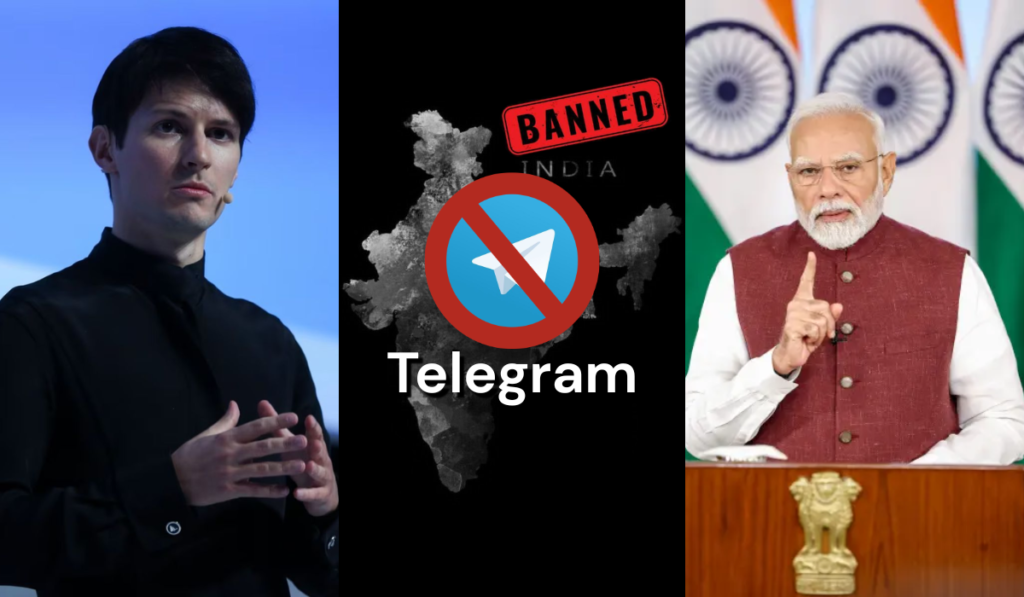
The NEET paper leak and Telegram controversy have made it clear that transparency and security must be given top priority in the country’s most important examinations. The hard work and future of millions of students depend on such examinations, so timely and effective action is essential for any irregularities.
This case also raises important questions about the accountability of social media and messaging platforms. Digital platforms must ensure that their services are not used for illegal activities, fake information, or exam-related misconduct. User privacy and digital rights must be respected.
Most importantly, protecting students’ futures is not solely the government’s responsibility. The government, technology companies, educational institutions, and society must all work together to create a safe and reliable digital environment. This collaboration will help prevent such incidents in the future and strengthen public confidence in the education system.