
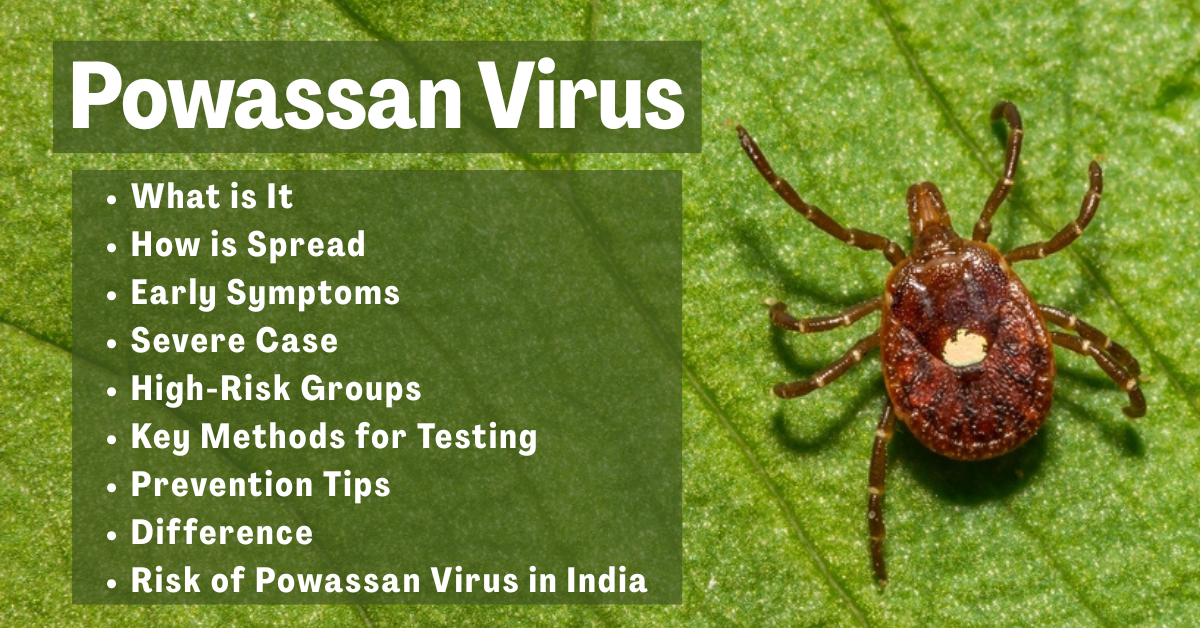

What is the Powassan virus? Learn all about this rare but dangerous disease spread by tick bites.
Introduction: Why is the Powassan Virus in the News?
Table of Contents
In recent years, the Powassan virus has become a source of concern for health experts. It is a rare but serious viral infection primarily transmitted through the bite of an infected tick. Although cases are relatively low, the increasing number of infections in many areas has drawn public attention to the disease.
Concern about the Powassan virus is growing because it can cause serious brain and nervous system problems in some infected people. Furthermore, cases of tick-borne diseases are increasing worldwide. Experts believe that factors such as climate change, increased outdoor activities, and the expansion of tick habitats are exacerbating this threat.
At this time, it is crucial to have accurate information about this virus. What is the Powassan virus? How do its symptoms appear? How dangerous can it be? And what precautions are needed to prevent it? We will learn the answers to all these questions in detail in this article.
What is the Powassan Virus?
A Brief Introduction to Powassan Virus-
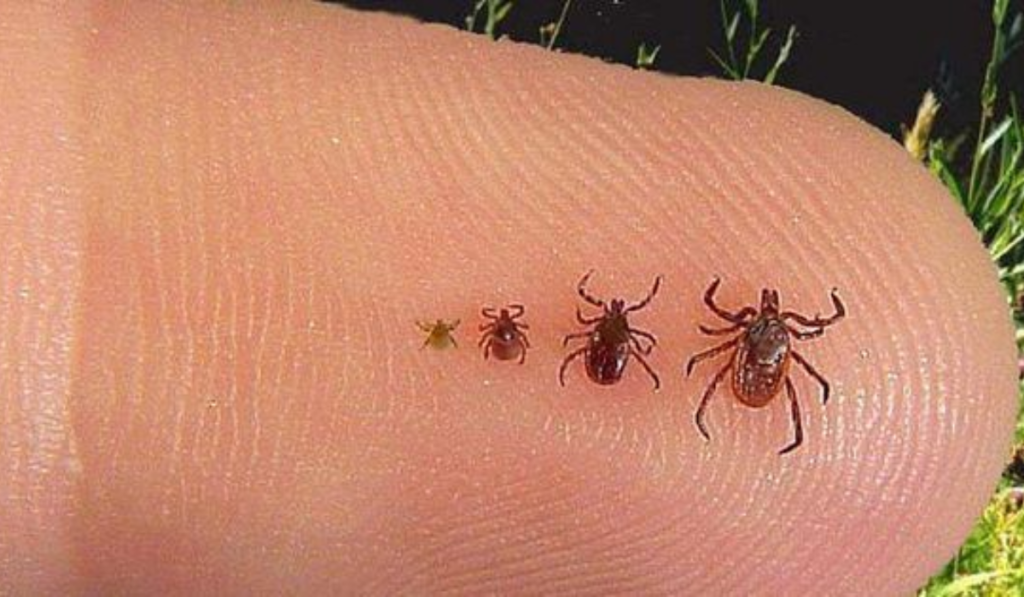
Powassan Virus is a rare but serious virus that spreads to humans primarily through the bite of an infected tick. It is a tick-borne viral infection named after the Canadian region of Powassan, where it was first identified in 1958. Although this infection is not very common, it is of particular importance in the medical world due to its serious health consequences.
This virus is a member of the Flaviviridae family, which also includes other viruses such as dengue, Zika, and West Nile. After the bite of an infected tick, the virus enters the human body and can spread through the bloodstream to various organs. In some cases, it can affect the brain and nervous system, causing serious neurological problems.
Powassan virus is considered a rare but dangerous infection because severe cases can lead to inflammation of the brain (encephalitis) or inflammation of the membranes that surround the brain and spinal cord (meningitis). Early detection and appropriate medical care play a key role in reducing the risk of this infection.
How is Powassan Virus Spread?
Risk of Infection from Tick Bites-
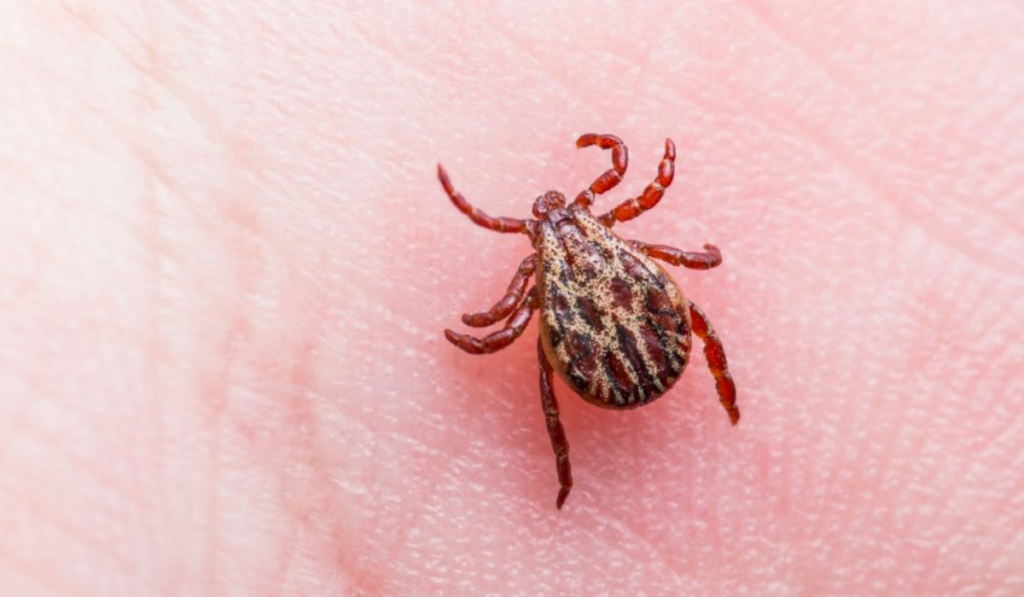
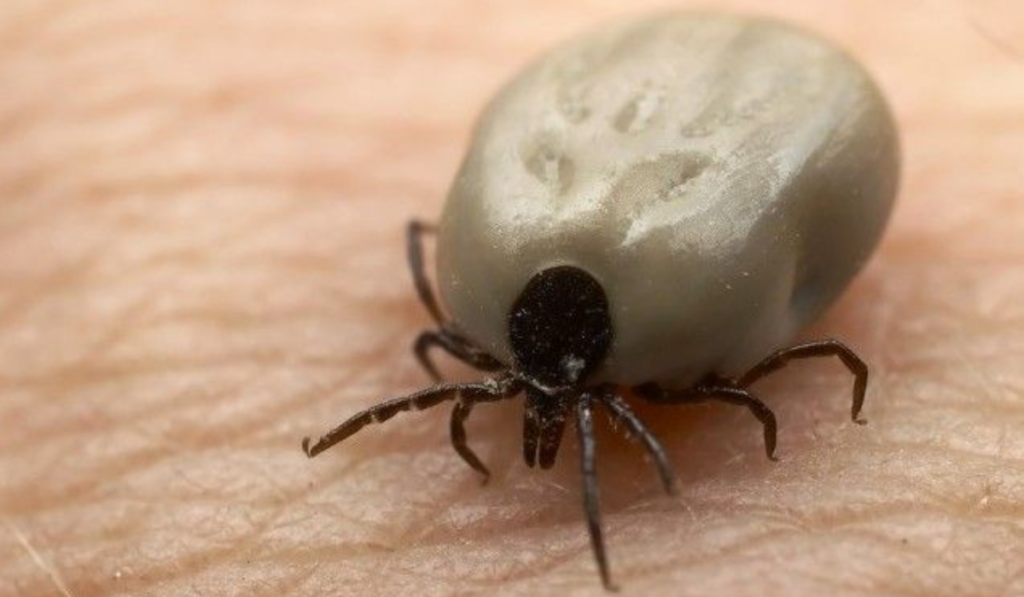
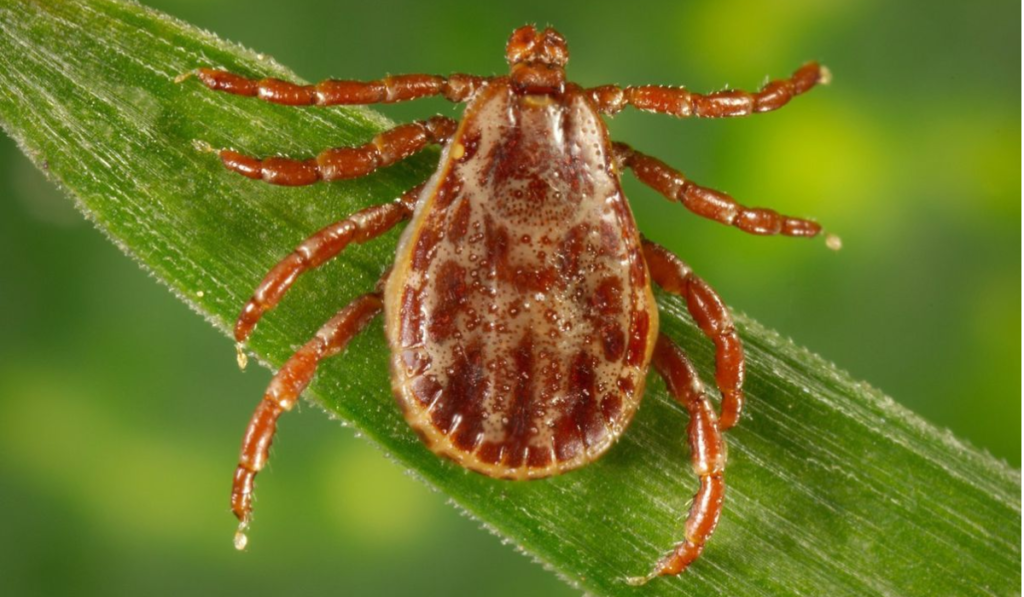
The Powassan virus is primarily spread through the bite of an infected tick. Ticks are small, parasitic organisms that survive on the blood of animals and humans. When a tick feeds on the blood of a wild animal, such as a mouse, squirrel, or deer, that is already infected with the virus, it can become a carrier of the virus. If the same infected tick later bites a human, the virus can enter the body.
The virus reaches the human body through the tick’s saliva. Compared to some other tick-borne diseases, the Powassan virus can spread in a relatively short time, so the risk of infection after a tick bite can increase rapidly. This is why tick prevention is considered the most effective protection measure.
The risk of infection is higher in areas with dense forests, tall grass, bushes, and a high presence of wildlife. Such places provide a favorable environment for ticks. People who trek, camp, hunt, or spend extended periods in the wild may be at a higher risk of infection.
An important point to note is that current scientific knowledge suggests that the Powassan virus is not spread from person to person under normal circumstances. This means that it cannot be transmitted through contact with, being with, touching, coughing, or sneezing from an infected person. Therefore, the primary source of this disease is believed to be the bite of an infected tick. By practicing awareness and caution, the risk of this infection can be significantly reduced.
What are the Early Symptoms of Powassan Virus?
Signs of Infection that Should Not be Ignored-
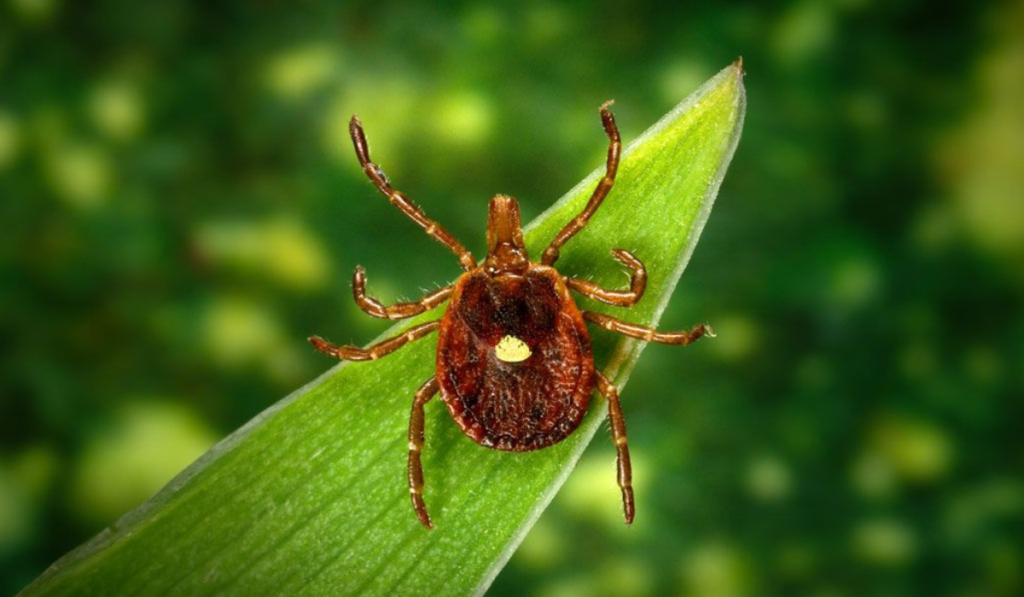
Symptoms do not appear immediately after infection with the Powassan virus. Some people have no obvious signs of infection, while others may develop initial symptoms gradually. This is why it is extremely important to monitor your health after a tick bite.
Early Symptoms of Powassan Virus:
- Fever
Fever is one of the most common signs of infection. It can range from mild to high-grade fever depending on the severity of the illness. - Persistent Headache
The headache may be more severe and longer-lasting than a typical headache, causing significant discomfort. - Nausea or Vomiting
Many infected individuals may experience digestive issues, including nausea and vomiting. - Extreme Weakness and Fatigue
A noticeable lack of energy and difficulty performing daily activities can be an early sign of infection. - Muscle Pain
Pain, soreness, or stiffness in different parts of the body may occur, which is a common symptom of many viral infections.
Difference between Early and Severe Symptoms-
If the infection progresses and affects the brain or nervous system, the condition can become severe. In such cases, the following symptoms may appear:
- Confusion or mental confusion
- Difficulty speaking
- Problems with walking and balance
- Memory loss
- Seizures
- Fainting or altered consciousness
If these severe symptoms appear, it is essential to seek medical attention immediately.
Important Information-
Not every infected person will develop symptoms. Some people may be infected without any obvious symptoms, while others may develop a severe infection. Therefore, any unusual health problems after a tick bite should not be ignored.
What can happen in a Severe Case?
Brain and Nervous System Effects-
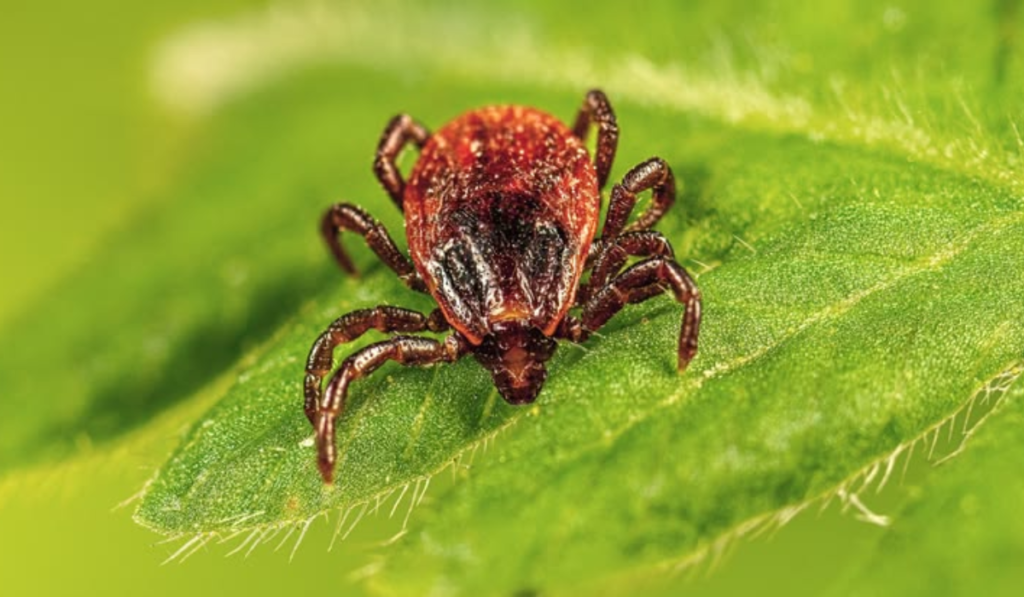
Although many cases of Powassan virus symptoms can be mild, some infected individuals can develop a severe infection. The greatest concern is when the virus begins to affect the brain and nervous system. In such a situation, the patient needs immediate medical care, as complications can be fatal.
In a severe case, the following problems may develop:
- Encephalitis (Brain Inflammation)
The Powassan virus can cause inflammation of the brain, a condition known as encephalitis. This can affect thinking, memory, understanding, and other normal bodily functions. - Meningitis
In some cases, the virus may cause inflammation of the membranes surrounding the brain and spinal cord. This condition, known as meningitis, can lead to symptoms such as severe headache, neck stiffness, and fever. - Confusion and Mental Disorientation
An infected person may experience difficulty concentrating, confusion, memory problems, or unusual changes in behavior and mental status. - Difficulty Speaking
When the nervous system is affected, individuals may have trouble speaking, understanding language, or communicating effectively with others. - Seizures
In severe cases, patients may experience seizures, which can indicate that the infection has affected the brain. - Paralysis-Like Complications
Some patients may develop muscle weakness, difficulty walking, loss of coordination, or paralysis-like symptoms affecting certain parts of the body. - Risk of Death
If the infection becomes severe and appropriate medical treatment is not provided in time, it can be life-threatening. This is why early symptoms should never be ignored, and immediate medical attention should be sought whenever serious symptoms develop.
Who is Most at Risk?
High-Risk Groups-
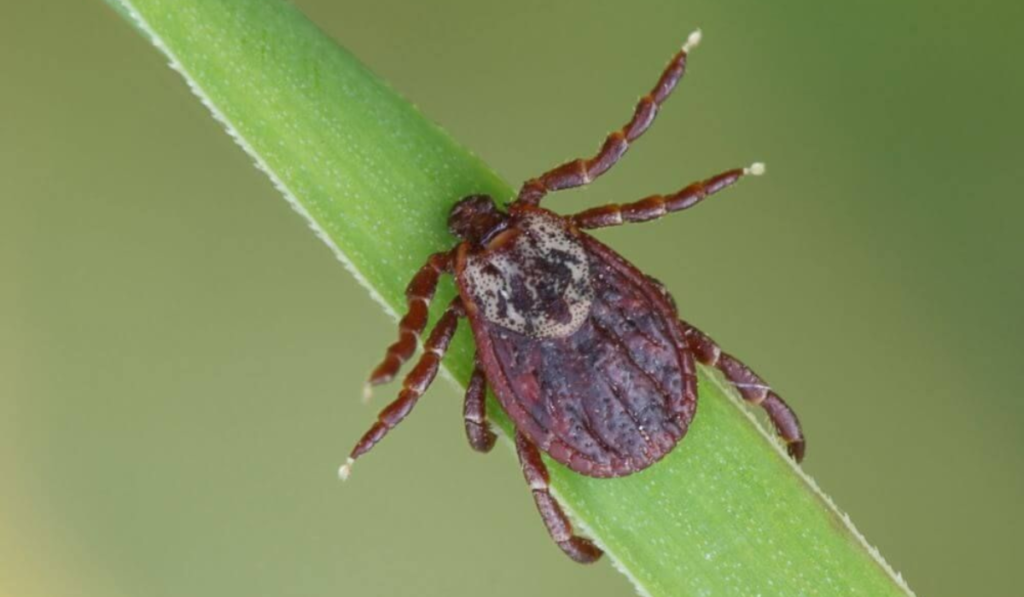
Anyone can become infected with the Powassan virus, but some people are at a higher risk of infection and serious consequences. These people need to take special precautions and avoid contact with ticks.
- Elderly People
As people age, their immune systems naturally become weaker. As a result, older adults may face a higher risk of developing severe symptoms and complications from Powassan virus infection. - People with Weakened Immune Systems
Individuals whose immune systems are weakened due to illness, medications, or medical treatments may be more vulnerable to infection. They are also more likely to experience serious complications if infected. - People Living in Forested or Rural Areas
Those who live near dense forests, shrubs, and wildlife habitats are more likely to come into contact with ticks, increasing their risk of exposure to the Powassan virus. - People Who Trek, Hike, or Camp
Individuals who frequently spend time outdoors, explore wooded areas, or participate in camping and hiking activities have a greater chance of being bitten by infected ticks. - Young Children
Children’s immune systems are still developing, and they often spend more time playing outdoors, where they may come into contact with ticks. Therefore, they may require extra protection and supervision in tick-prone areas.
People in these high-risk groups should especially follow tick prevention measures.
How is Powassan Virus Tested?
How do Doctors Confirm Infection?
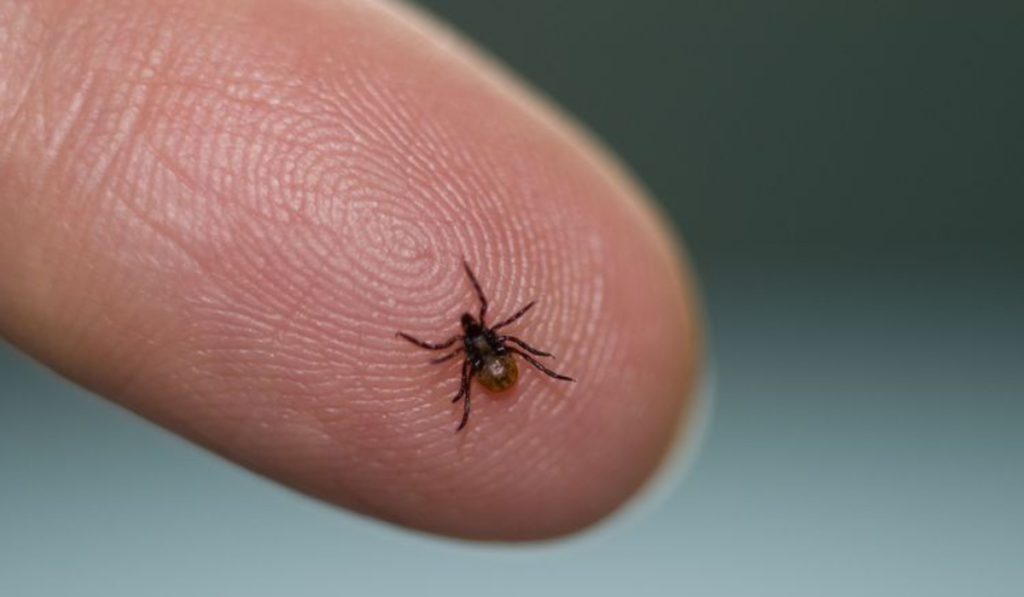
The symptoms of the Powassan virus can be similar to those of many other viral infections, so it’s not easy to diagnose based on symptoms alone. Doctors consider the patient’s health status, symptoms, and various medical tests to confirm the infection.
Key Methods for Testing for Powassan Virus-
- Medical History
The diagnostic process usually begins with a review of the patient’s medical history. Doctors will ask whether the person has recently visited forests, grassy areas, or other places where exposure to ticks is more likely. A history of a tick bite can be an important clue in diagnosing Powassan virus infection. - Evaluation of Symptoms
Doctors carefully assess symptoms such as fever, headache, vomiting, weakness, confusion, difficulty speaking, and other neurological signs. This evaluation helps determine the severity of the infection and whether the nervous system may be affected. - Blood Tests
Blood samples may be analyzed to detect antibodies produced by the body in response to the virus or other indicators of infection. Blood testing is one of the key methods used to help confirm a Powassan virus infection. - Spinal Fluid Test (Lumbar Puncture)
If brain or nervous system involvement is suspected, doctors may collect a sample of cerebrospinal fluid (CSF) from the spinal canal for analysis. This test can help identify complications such as encephalitis (brain inflammation) or meningitis. - Neurological Examination
A neurological exam may be performed to evaluate memory, balance, reflexes, speech, coordination, and other nervous system functions. This helps doctors assess the extent of any neurological damage caused by the infection.
Timely and accurate testing is important to identify the Powassan virus and initiate appropriate treatment.
Is there a Cure for the Powassan Virus?
Treatment and Care-
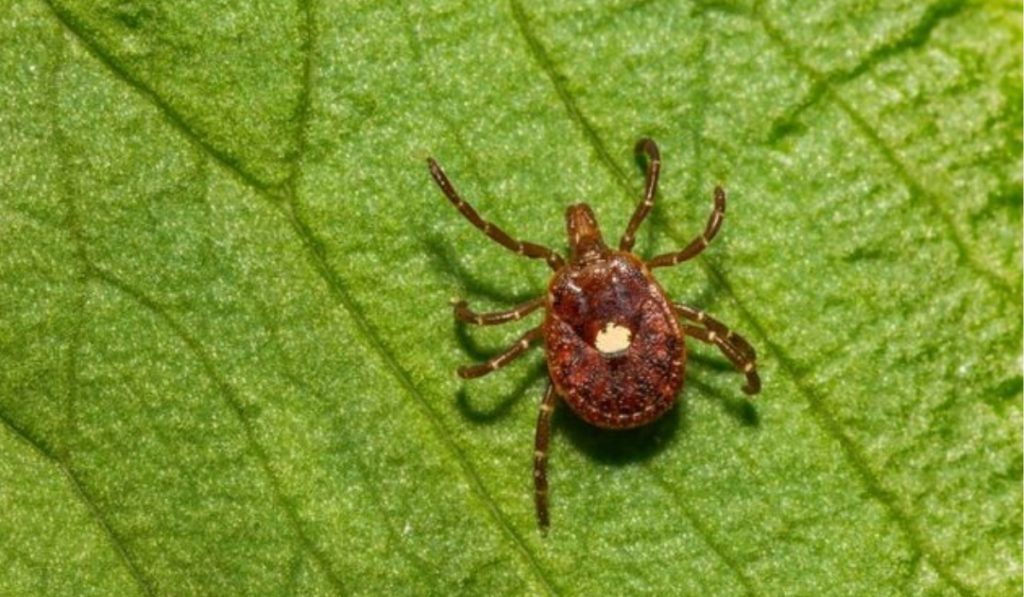
Currently, there is no specific antiviral medication or approved vaccine for the Powassan virus. Therefore, the main goal of treatment is to control symptoms, minimize complications, and stabilize the patient’s condition. Doctors provide appropriate medical care based on the severity of the infection.
How is Powassan Virus Treated?
- No Specific Antiviral Treatment Available
Currently, there is no specific antiviral medication that can directly eliminate the Powassan virus. As a result, treatment mainly focuses on managing the patient’s symptoms and overall health condition. - Supportive Care
Patients are typically given rest, adequate fluids, medications to control fever and pain, and other necessary medical support. These measures help the body fight the infection and aid recovery. - Hospitalization May Be Required
If the infection becomes severe and begins affecting the brain or nervous system, hospitalization may be necessary. In such cases, patients are closely monitored by healthcare professionals. - Respiratory Support
Severe infections can sometimes lead to breathing difficulties. Patients may require oxygen therapy or, in critical situations, mechanical ventilation to support breathing. - Recovery Time
Some patients recover within a few weeks, while severe cases may take several months to fully recover. Recovery time depends on factors such as age, overall health, and the severity of the infection. - Potential Long-Term Effects
Some individuals may continue to experience long-term complications, including headaches, weakness, memory problems, balance issues, or other neurological symptoms. This is why timely treatment and regular medical follow-up are extremely important.
Preventive Measures for Powassan Virus-
Easy Ways to Stay Safe from Infection-
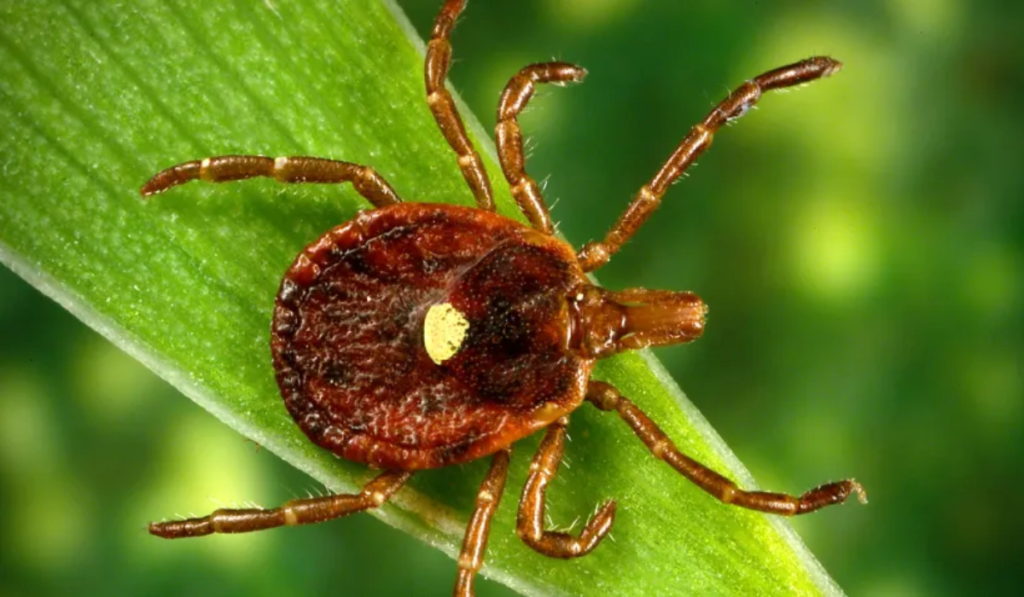
Since there is currently no specific medicine or vaccine available for the Powassan virus, prevention is considered the most effective protection. The risk of infection can be significantly reduced by avoiding contact with ticks. If you visit forests, parks, grasslands, or bushy areas, it is important to take extra precautions.
Take these Steps to Prevent Powassan Virus:
- Wear Protective Clothing
When visiting forests, grassy areas, or places with dense vegetation, wear long-sleeved shirts, long pants, socks, and closed-toe shoes. This helps reduce the chances of ticks reaching your skin. - Use Tick Repellents
Apply tick-repellent products to your skin and clothing before going outdoors. These products can help keep ticks away and lower the risk of bites. - Be Cautious in Forested and Grassy Areas
Avoid sitting or walking directly through tall grass, bushes, and piles of leaves where ticks are commonly found. Whenever possible, stay on clear and designated trails. - Check Your Body After Returning Home
After spending time outdoors, carefully inspect your entire body for ticks. Pay special attention to the scalp, neck, behind the ears, underarms, and around the legs, as ticks often hide in these areas. - Regularly Inspect Your Pets
Dogs and other pets can carry ticks into your home. Regularly check your pets for ticks and ensure they receive appropriate tick prevention and care. - Remove Ticks Properly
If you find a tick attached to your skin, use clean tweezers to grasp it as close to the skin’s surface as possible. Pull it upward slowly and steadily without twisting or crushing it. Proper removal helps reduce the risk of infection.
Helpful Tip-
“Prevention is the most effective way to avoid Powassan virus.”
Regular precautions to prevent tick bites, proper clothing, and regular body checks can significantly reduce your risk of infection.
What is the Difference between Powassan Virus and Lyme disease?
Comparison of the Two Tick-borne Diseases-
Powassan virus and Lyme disease are both diseases spread by tick bites, but their causes, symptoms, treatments, and potential complications differ significantly. Having the right information can help better understand these two infections.
| Feature | Powassan Virus | Lyme Disease |
|---|---|---|
| Cause | Caused by the Powassan virus, a tick-borne virus. | Caused by the bacterium Borrelia burgdorferi. |
| Type of Infection | Viral infection. | Bacterial infection. |
| Mode of Transmission | Spread through the bite of an infected tick. | Spread through the bite of an infected tick. |
| Common Symptoms | Fever, headache, vomiting, weakness, and fatigue. | Bull’s-eye rash, fever, fatigue, headache, and joint pain. |
| Neurological Effects | Can cause encephalitis (brain inflammation), meningitis, confusion, and seizures. | May cause neurological complications if left untreated, but they are generally less severe initially. |
| Severity | Rare but potentially life-threatening, especially when the brain or nervous system is affected. | Usually treatable and manageable when diagnosed early. |
| Treatment | No specific antiviral treatment is available; care is mainly supportive. | Treated with antibiotics, especially in the early stages. |
| Vaccine Availability | No approved vaccine is currently available. | No widely available human vaccine is currently in use. |
| Potential Complications | Long-term neurological problems, paralysis-like symptoms, or death in severe cases. | Chronic joint pain, heart problems, and nervous system complications if untreated. |
| Prevention | Avoid tick bites by wearing protective clothing, using repellents, and checking for ticks after outdoor activities. | Similar preventive measures include tick avoidance and prompt tick removal. |
Key Points-
Both Powassan virus and Lyme disease are spread by ticks. Powassan virus is a viral infection that can rapidly affect the brain and nervous system, while Lyme disease is a bacterial infection that can usually be successfully treated with antibiotics if detected early.
Is there a Risk of Powassan Virus in India?
Currently, there are no confirmed cases of widespread Powassan virus infection or major outbreaks in India. This virus is primarily found in certain regions of North America. However, the risk of the spread of infectious diseases due to global travel, international movement, and changing climate conditions cannot be completely ignored.
Experts believe that climate change may alter the habitats and movements of ticks and other disease-carrying organisms, increasing the likelihood of new health risks. This is why public health surveillance and research are considered crucial.
Even though the current threat in India is limited, awareness is crucial. Knowledge about the symptoms of tick-borne diseases, preventive measures, and timely medical advice can play a vital role in protecting people from potential risks.
If you’re looking for information on educational topics, be sure to check out our website, edublog.cloud. Additionally, for digital products, be sure to check out our other website, vijaybooks.store.
Information related to the Hantavirus is also available on this website.
FAQ (Frequently Asked Questions) about Powassan Virus-
Can the Powassan virus be fatal?
Yes, in some cases, the Powassan virus can become severe and affect the brain or nervous system. If not treated promptly, it can be fatal, although in most cases, infection is rare.
Does this virus spread from person to person?
No, according to current scientific knowledge, Powassan virus is not spread from person to person through casual contact, coughing, sneezing, or living together. Its main source is the bite of an infected tick.
Is there a vaccine available for the Powassan virus?
Currently, there is no approved vaccine available to prevent the Powassan virus. Therefore, prevention of tick bites is considered the most effective protection.
What should be done after a tick bite?
If a tick is found stuck to the skin, carefully remove it with clean tweezers. Afterward, clean the affected area, and if fever, headache, or other unusual symptoms appear, contact a doctor immediately.
Do all ticks spread the Powassan virus?
No, not all ticks carry the Powassan virus. Only infected ticks can spread the virus. However, it is important to take any tick bite seriously and take necessary precautions.
Conclusion-
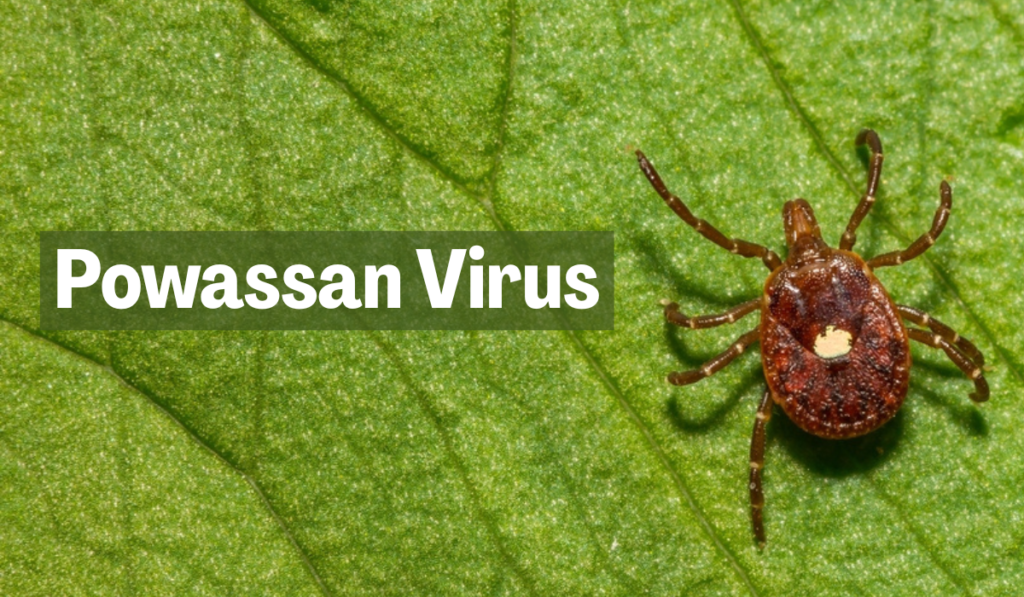
Powassan virus is a rare but potentially serious tick-borne viral infection that can affect the brain and nervous system in some cases. Although its incidence is relatively low, it is extremely important to be aware of the serious consequences of infection. Signs such as fever, headache, vomiting, weakness, and neurological symptoms should never be ignored.
The most effective way to prevent this infection is to avoid tick bites. Wearing body-covering clothing, using anti-tick products, exercising caution in wooded or grassy areas, and examining the body after returning from outdoors can help reduce the risk of infection.
If any unusual symptoms or sudden deterioration of health occur after exposure to a tick, contact a doctor without delay. Timely identification, correct diagnosis, and appropriate medical care can significantly reduce the risk of serious complications and ensure a better health outcome.