

Introduction-
Table of Contents
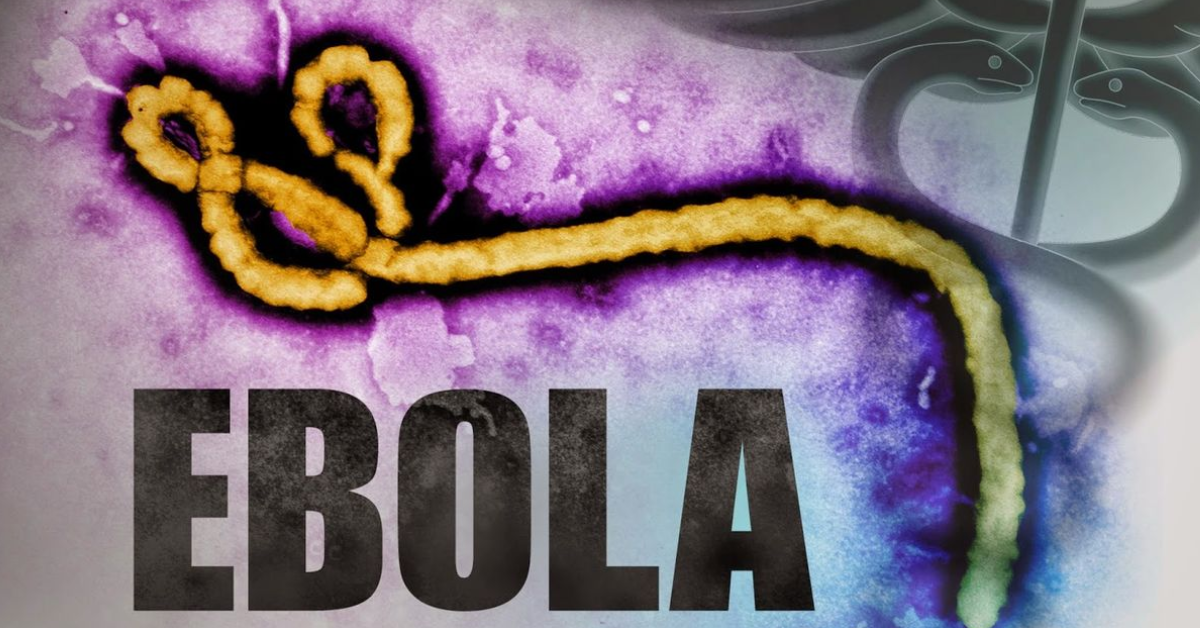
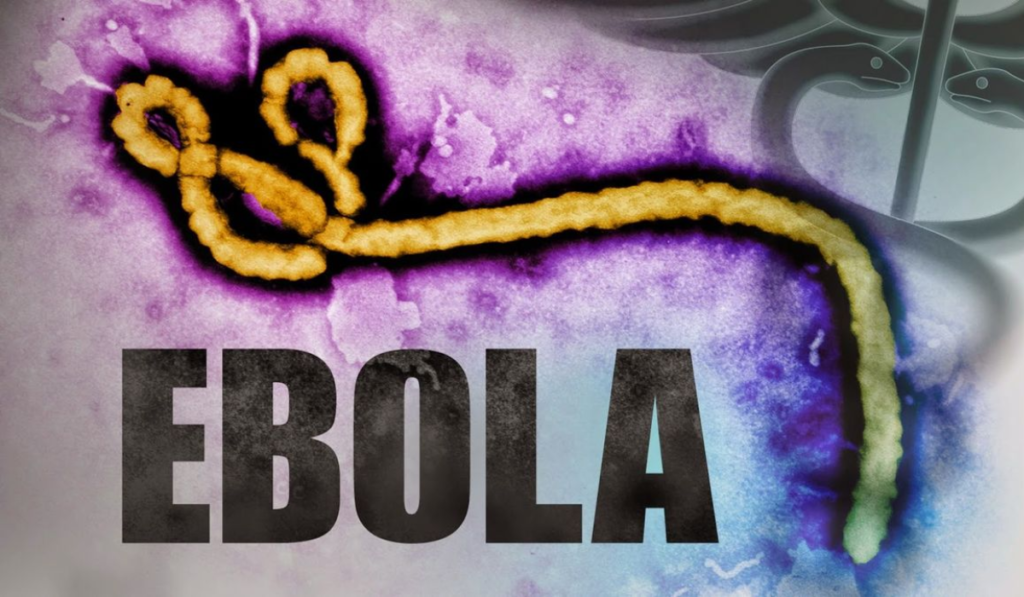
“A virus that shook the world…” The Ebola virus is considered one of the world’s most dangerous and deadly viruses. It is a serious infectious disease that can affect both humans and animals. Infection with this virus can cause severe complications such as high fever, weakness, vomiting, diarrhea, and, in many cases, bleeding.
The Ebola virus was first identified in 1976 in two African countries, Sudan and Congo. The river near which the virus was found in Congo was named the “Ebola River,” and the virus was named after it.
This virus is considered so dangerous because it can spread rapidly and has a high mortality rate. The deaths of thousands of people during the Ebola epidemic created an atmosphere of fear and concern throughout the world. Even today, scientists and health organizations continue to monitor this virus.
History of the Ebola Virus-
The history of the Ebola virus has been both frightening and a warning to the world. This dangerous virus was first identified in 1976 in two African countries, Sudan and the Democratic Republic of Congo. At that time, many people suddenly began suffering from a severe illness, including high fever and bleeding. After investigation, scientists discovered a new and extremely dangerous virus, which was later named the “Ebola virus.”
The virus was named after the Ebola River in Congo because a large number of infections were reported in the area surrounding this river. Initially, the disease was limited to a few remote areas of Africa, but gradually cases began to appear in many countries.
The Ebola epidemic that spread across West Africa between 2014 and 2016 is considered the largest epidemic in history. Thousands of people died during this period, creating an atmosphere of fear throughout the world. The World Health Organization (WHO) declared it a global health emergency.
The history of Ebola has taught the world that no infectious disease should be taken lightly. Early awareness, appropriate treatment, and a strong health system are the key to preventing such epidemics.
How does the Ebola Virus Spread?
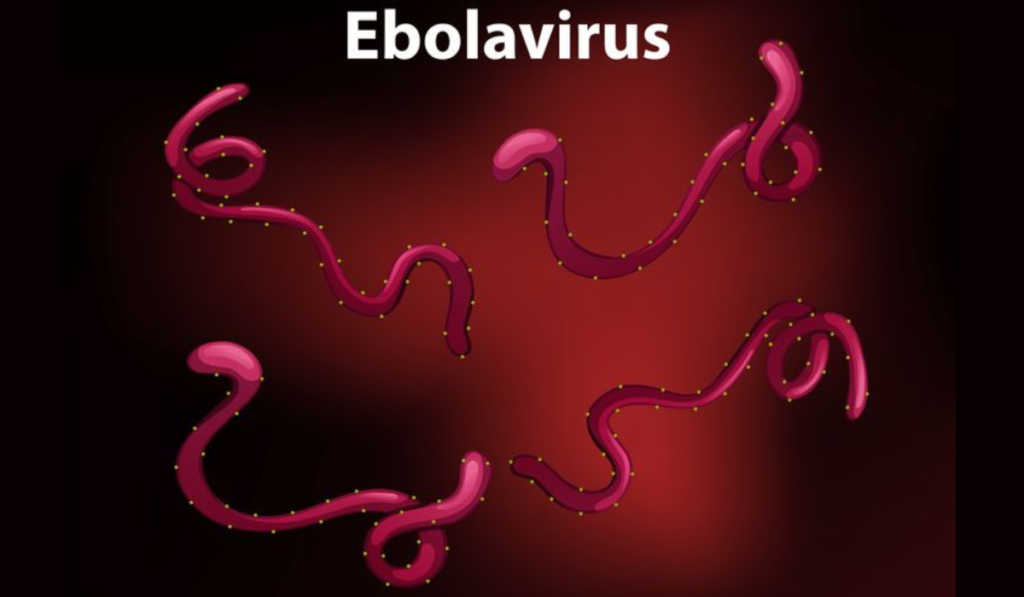
The Ebola virus is a highly contagious disease that spreads primarily through direct contact with an infected person or animal. Proper information and precautions play a crucial role in preventing transmission.
1. Through Contact with an Infected Person-
The Ebola virus can spread through contact with an infected person’s bodily fluids. This includes blood, sweat, saliva, vomit, urine, and other body fluids. If someone cares for an infected patient without proper protection, the risk of infection increases significantly. This is why it is recommended to isolate and treat patients.
2. Through Infected Animals-
According to scientists, the Ebola virus originated in some wild animals. Bats, monkeys, and other wild animals are considered carriers of this virus. Infection can also spread through contact with infected animals or eating their meat. Such cases have been reported in many areas of Africa.
3. Hospital Infections-
If cleanliness and safety are not maintained in hospitals, Ebola can spread rapidly. Using contaminated needles, equipment, or treating patients without protective equipment can also put doctors and nurses at risk of infection. Therefore, PPE kits and sanitization are considered essential.
4. Is it Airborne?
Many people wonder if the Ebola virus spreads through the air. According to experts, this virus is not airborne like the common flu or coronavirus. It spreads primarily through direct contact with infected body fluids. Therefore, it is crucial to avoid rumors and have accurate information.
Main Symptoms of Ebola Virus-
Ebola virus symptoms may initially appear similar to a common viral fever, but over time, the disease can become extremely serious. This is why ignoring these early signs can be dangerous.
Early Symptoms-
In the early days of Ebola infection, patients may experience high fever, persistent headache, extreme weakness, and sore throat. Many people also experience body aches and fatigue. Initially, these symptoms may resemble those of a common flu or viral fever, making it difficult to diagnose the disease.
Severe Symptoms-
As the infection progresses, a patient’s condition can deteriorate rapidly. In severe cases, vomiting, persistent diarrhea, abdominal pain, and bleeding from inside or outside the body may occur. In some patients, the liver, kidneys, and other organs may also become affected, increasing the risk of death.
How Long Do Symptoms Take to Appear?
Ebola virus symptoms can appear within approximately 2 to 21 days of infection. During this time, the person may appear normal, but the infection is spreading throughout the body.
Important Note-
It is crucial to understand the difference between a normal fever and Ebola symptoms. If a person has a high fever accompanied by serious symptoms such as vomiting, diarrhea, or bleeding and has traveled from an infected area, they should immediately consult a doctor. Timely diagnosis and treatment can significantly reduce the risk.
How Dangerous is the Ebola Virus?
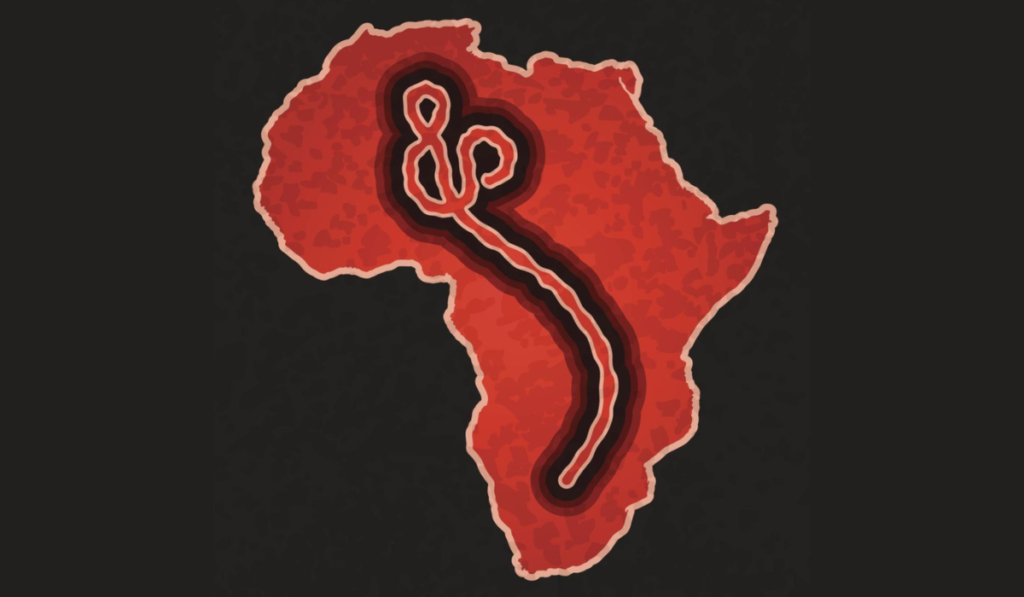
The Ebola virus is considered one of the world’s most dangerous infectious diseases. The primary reason for this is its high mortality rate. In many cases, a large number of infected patients die despite treatment. If timely identification and treatment are not received, the virus can rapidly lead to a serious condition.
The Ebola virus spreads through direct contact and can quickly infect those around an infected person. The risk is exponentially increased, especially in areas with poor health facilities. In poor and developing countries, the Ebola epidemic has proven to be more devastating due to a lack of hospitals, a lack of awareness, and a lack of resources.
The effects of this virus are not limited to the physical level; it also affects people mentally and socially. During an epidemic, fear, stress, and insecurity increase. Often, infected individuals and their families are ostracized. This is why Ebola is considered not just a disease, but a global health and social challenge.
How is the Ebola Virus Tested?
Special medical tests are required to diagnose the Ebola virus. Because its initial symptoms resemble a common viral fever, timely testing is crucial. Doctors recommend testing based on the patient’s symptoms, travel history, and contact with an infected person.
A blood test is the first step to confirm the Ebola virus. Furthermore, the PCR test, or “polymerase chain reaction,” is considered crucial because it helps detect the virus in the body. This test is highly accurate and is considered useful in identifying early infection.
Ebola testing is only conducted in specialized laboratories with high security measures. Timely testing and early detection are crucial, as they allow the patient to begin treatment early and prevent the infection from spreading to others.
What is the Treatment for the Ebola Virus?
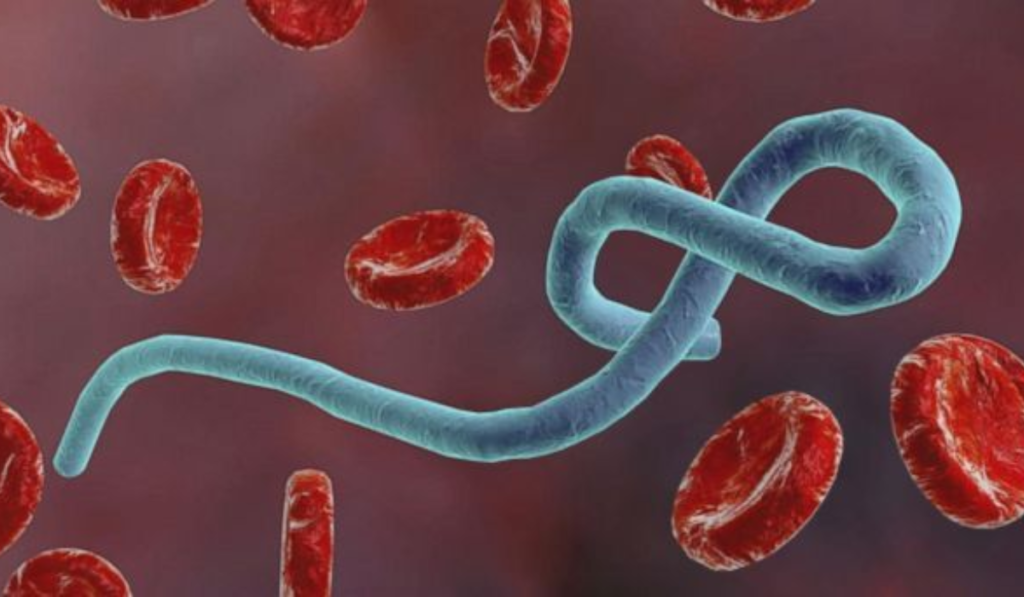
Ebola virus is a serious and life-threatening disease, but currently, there is no definitive, permanent cure. However, timely medical care and supportive treatment significantly increase the patient’s chances of survival. Doctors focus on managing the patient’s condition and maintaining their health.
Current Treatment-
Ebola patients primarily receive supportive treatment. Its goal is to replenish the body’s hydration and essential nutrients and reduce the effects of the infection. Timely treatment can improve the patient’s recovery.
What is the Patient Given?
During treatment, patients are given adequate amounts of water and fluids to prevent dehydration. Oxygen support is also provided if needed. In addition, various medications are used to control fever, pain, and other infections. Severely ill patients are kept under close observation.
New Medicines and Research-
Research on the Ebola virus has been rapidly progressing in recent years. Scientists have made progress in developing vaccines and new medications, which are helping to control the infection. Modern medical technologies have made treatment more effective than ever before.
The Importance of Consulting a Doctor-
Attempting self-treatment for a serious infection like Ebola can be dangerous. It is crucial to immediately consult a doctor and follow medical advice if you experience any symptoms.
Methods for Preventing Ebola Virus-

Awareness and caution are considered the most important weapons for protection against Ebola. This virus can spread rapidly, so it is crucial to remain vigilant, both at the individual and community levels. Proper information and timely safety measures can significantly reduce the risk of infection.
Personal Precautions-
Regular handwashing is essential to prevent Ebola. The habit of washing hands with soap and clean water helps prevent the spread of infection. Wearing a mask in crowded places or infected areas is also considered safe. Furthermore, it is crucial to avoid direct contact with an infected person, especially by maintaining distance from their body fluids.
Travel Precautions-
If Ebola infection is prevalent in an area, travel there should be avoided. Health screenings are considered essential for travelers traveling to and from affected countries. If you experience fever or other symptoms during travel, seek immediate medical attention and consult a doctor.
Guidelines for Hospitals-
Special safety protocols have been established for hospitals and healthcare workers. Wearing PPE kits is essential when treating patients to prevent the spread of infection to doctors and nurses. Regular sanitization and proper cleaning of contaminated equipment in hospitals are also crucial.
The Role of the Community-
Society also plays a vital role in preventing diseases like Ebola. Providing accurate information, spreading awareness, and avoiding rumors are essential. Misinformation and fear can often worsen the situation. Therefore, only reliable health information should be trusted.
Ebola Virus and India-
While India has seen very few cases of the Ebola virus, its threat cannot be completely ignored due to global travel and international contacts. People arriving in India from Ebola-affected countries are particularly closely monitored. However, a large-scale Ebola epidemic has not yet occurred in the country.
Special screening systems have been implemented at Indian airports to prevent Ebola infection. Passengers arriving from abroad are screened, and those with suspicious symptoms are immediately placed under medical observation.
The Indian Government and the Ministry of Health periodically issue Ebola guidelines. Hospitals are instructed to remain vigilant, prepare isolation wards, and provide safety training to health workers. Through awareness and vigilance, India is continuously strengthening its preparedness to prevent potential threats.
Myths and Truths About the Ebola Virus-
Many misconceptions and rumors are circulating among people about the Ebola virus. Lack of accurate information can rapidly fuel fear and confusion. Therefore, it is crucial to understand the difference between myths and truth.
| Myth | Reality |
| The Ebola virus spreads through the air. | This virus mainly spreads through direct contact with the body fluids of an infected person. |
| Ebola cannot be treated. | Timely treatment and proper medical care can help save a patient’s life. |
| This disease occurs only in Africa. | Due to international travel, the infection can spread to other countries as well. |
Many false news and fear-mongering messages about the Ebola virus continue to circulate on social media. Some people promote home remedies or false treatments without scientific evidence, which can be extremely dangerous. Such rumors create panic and can lead to delays in seeking appropriate treatment.
Experts believe that to prevent any disease, one should only rely on information from reliable sources and health organizations. Awareness and correct information are the most effective ways to fight dangerous viruses like Ebola.
The Future of Ebola-
The Ebola virus continues to pose a serious health challenge to the world. Experts believe that the risk of future new epidemics has not been completely eliminated, especially in areas with weak health facilities and a high risk of contact with wild animals. A changing climate and increased global travel can also increase the risk of infection.
However, scientists are continuously researching the Ebola virus. Efforts to control the disease have intensified through new medicines, improved treatments, and modern technologies. Vaccines developed in recent years have also raised hopes, and the possibility of more effective protection is being expressed in the future.
The world has learned an important lesson from the Ebola epidemic: timely preparation, awareness, and a strong health system are essential to combat any infectious disease. Global cooperation and scientific research can provide the strongest foundation for preventing future epidemics.
Important Precautions and Awareness Regarding the Ebola Virus-
To prevent a dangerous disease like the Ebola virus, not only treatment but also awareness and appropriate behavior are crucial. Any suspicious symptoms should not be ignored, and a doctor should be contacted immediately. It is crucial to follow safety precautions when caring for an infected person.
According to health experts, people should only seek information from reliable sources. Relying on rumors and unverified news spread on social media can be harmful. Conducting health awareness campaigns in schools, hospitals, and public places can be helpful in preventing infection.
Furthermore, it is crucial to follow guidelines issued by the government and health institutions. An aware society, a strong health system, and timely vigilance are the most effective ways to prevent serious diseases like Ebola.
If you’re looking for information on educational topics, be sure to check out our website, edublog.cloud. Additionally, for digital products, be sure to check out our other website, vijaybooks.store.
More information related to the Hantavirus is also available on this website.
Frequently Asked Questions (FAQs) about the Ebola Virus-
Is the Ebola virus airborne?
No, the Ebola virus is not normally spread through the air. It spreads through direct contact with an infected person’s blood, saliva, sweat, or other body fluids.
What are the first symptoms of the Ebola virus?
Early symptoms of Ebola may include high fever, headache, weakness, and sore throat. Later, more serious complications such as vomiting, diarrhea, and bleeding may occur.
Is Ebola curable?
There is no permanent cure for Ebola, but timely medical care, supportive treatment, and the right medications can save lives.
Is there a risk of Ebola in India?
Ebola cases in India are very low, but vigilance remains necessary given international travel. The government continues to focus on airport screening and health monitoring.
What are the easiest ways to prevent Ebola?
Regular handwashing, maintaining distance from infected people, keeping clean, and following health guidelines are the easiest and most effective ways to prevent Ebola.
Conclusion-
The Ebola virus is certainly a serious and life-threatening disease, but with correct information and timely precautions, its risk can be significantly reduced. Awareness is the most powerful tool in fighting any epidemic. People need to be vigilant and responsible, not panic.
It is crucial to have accurate information about viruses like Ebola, as rumors and misinformation can sometimes cause more harm than the disease itself. If symptoms are identified early and medical attention is immediately sought, the spread of the infection can be prevented.
Healthcare is not just the responsibility of the government or doctors, but of every individual. Cleanliness, adherence to health rules, and awareness can help protect us from future dangerous diseases. A healthy life and vigilance are the strongest foundations for a secure future.