Introduction-
Table of Contents
On 10 February World Pulses Day is celebrated every year. This day provides an opportunity to understand the importance of pulses, their nutritional value, and their role in daily life. In a country like India, pulses have been a staple in the diet for centuries. The combination of pulses, rice, and roti not only tastes delicious but also provides balanced nutrition. Despite this, the consumption of pulses is declining in modern times due to the increasing consumption of fast food and packaged foods.
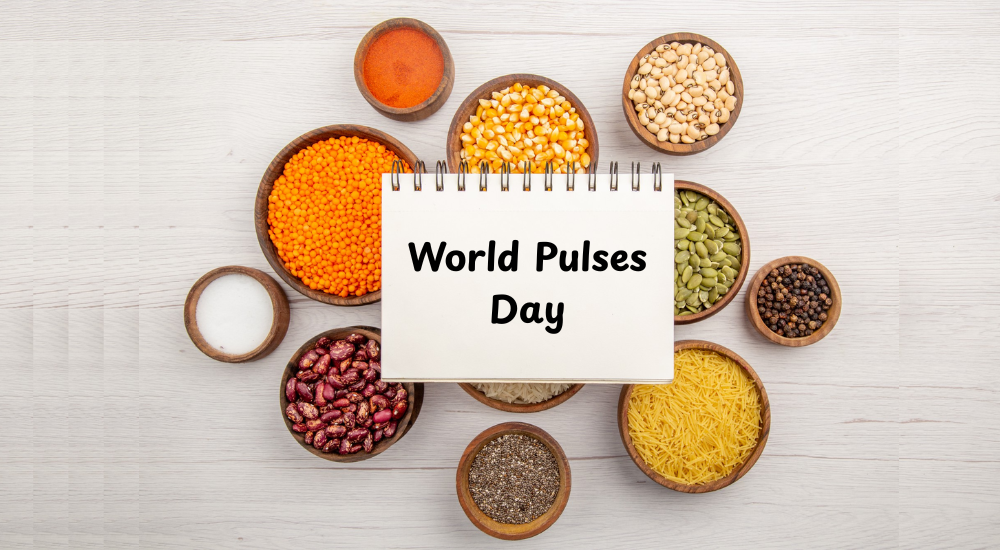
Pulses are considered an important source of protein, fiber, iron, and other essential nutrients. Pulses are especially essential for vegetarians. They provide energy, maintain a healthy digestive system, and boost immunity. The purpose of World Pulses Day is not only to raise awareness about nutrition, but also to highlight the deep connection pulses have with farmers, agriculture, and the environment.
Pulse cultivation requires less water and also contributes to soil fertility. For this reason, pulses play an important role in sustainable agriculture and environmental protection. World Pulses Day encourages us to reflect on the importance we place on pulses in our diets and whether we are taking the right steps towards a healthy and balanced lifestyle.
History of 10 February World Pulses Day-
World Pulses Day was initiated by the United Nations. Its primary objective was to spread awareness about the nutritional value of pulses and their global importance. The United Nations recognized that pulses can play a vital role in fighting hunger, malnutrition, and food insecurity.
Pulses provide high nutrition at a low cost, making them even more important in developing countries. This day aims to convey to countries around the world that pulses are not just food, but the foundation of health and a sustainable future.
What are Pulses and their Main Types-
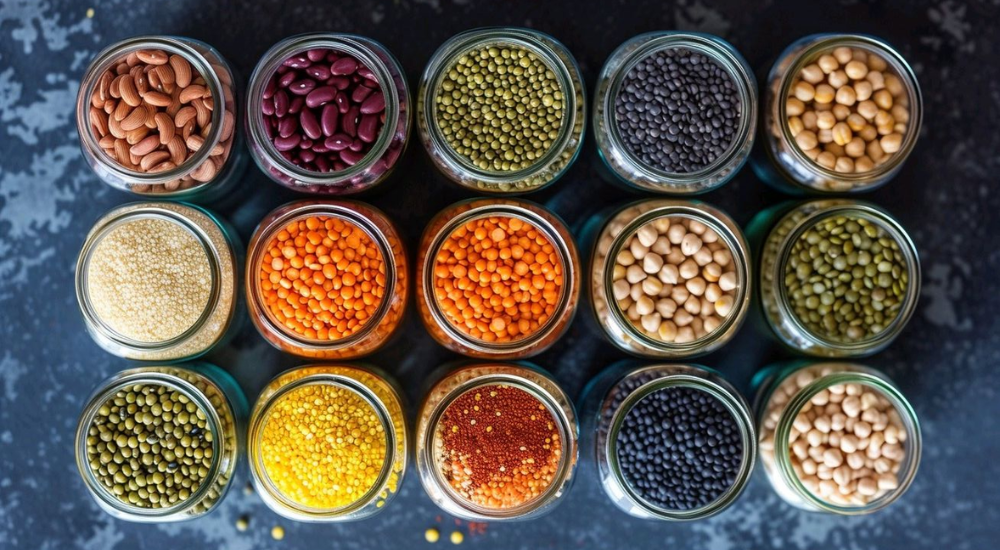
Pulses are edible seeds that are dried and then consumed. They are derived from plants and are considered a good source of protein. Various types of pulses are used in India, such as pigeon pea, green gram, masoor, chana, urad, and kidney beans. Each pulse has its own flavor, texture, and nutritional value. Different pulses are used in different regions, depending on local climate and traditions. Pulses make Indian meals balanced and complete.
Nutritional Value of Pulses-
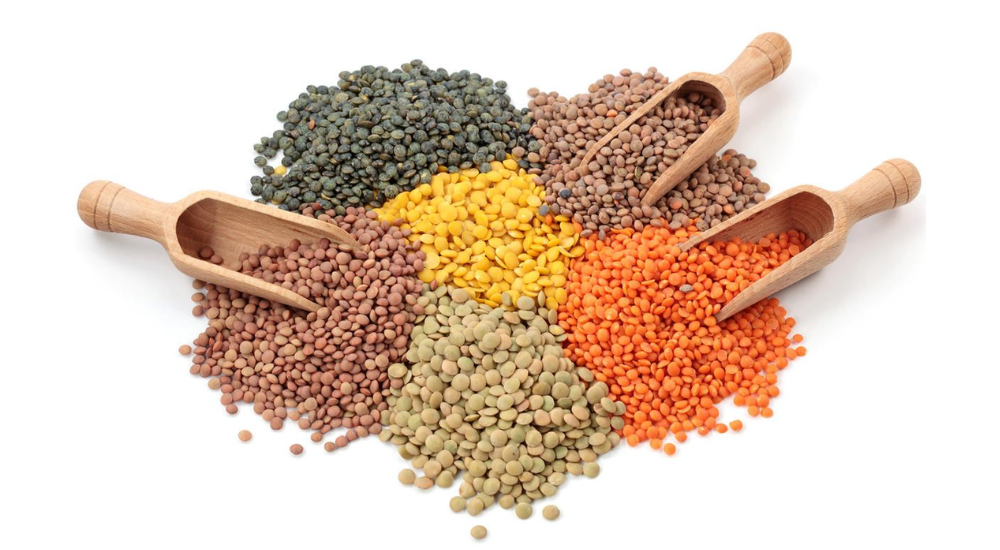
Pulses are an important source of nutrition and a mainstay of protein in a vegetarian diet. Along with protein, they contain fiber, iron, potassium, zinc, and other essential minerals, which contribute to healthy growth and energy maintenance. Pulses have a controlled carbohydrate content, making them beneficial for diabetics.
The presence of fiber helps maintain a healthy digestive system and relieves problems like constipation. Pulses provide essential nutrients for children, young people, and the elderly. Regularly consuming pulses improves heart health, balances blood sugar, and boosts immunity. For this reason, pulses are considered an essential part of a complete and balanced diet.
Benefits of Pulses for Health-
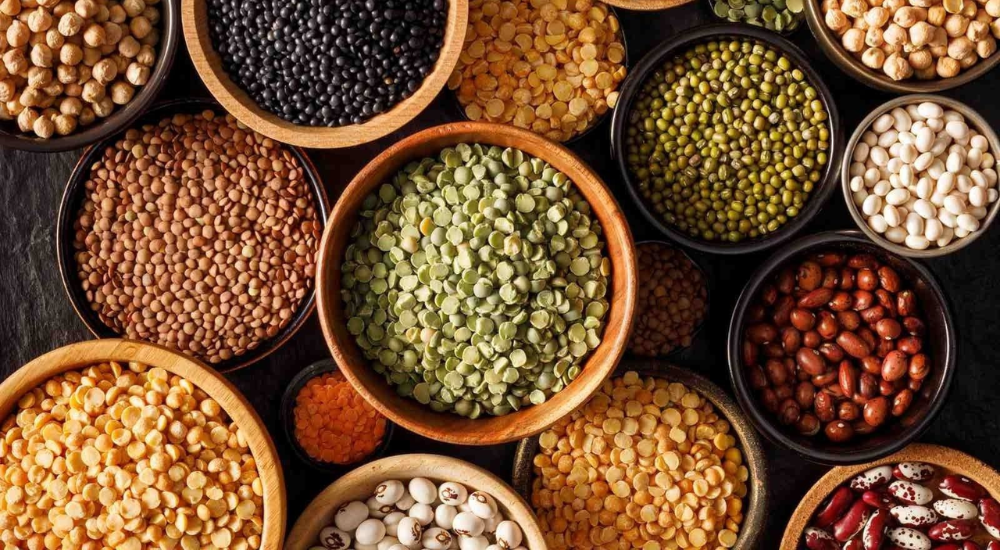
Consuming pulses improves health in many ways. They strengthen the digestive system and provide relief from problems like constipation. The fiber in pulses contributes to good heart health.
Pulses are also considered beneficial for people suffering from diabetes because they help balance blood sugar. Consuming pulses also helps maintain weight. Additionally, they contribute to boosting immunity, making the body better able to fight diseases.
Role of Pulses in Environmental Protection-
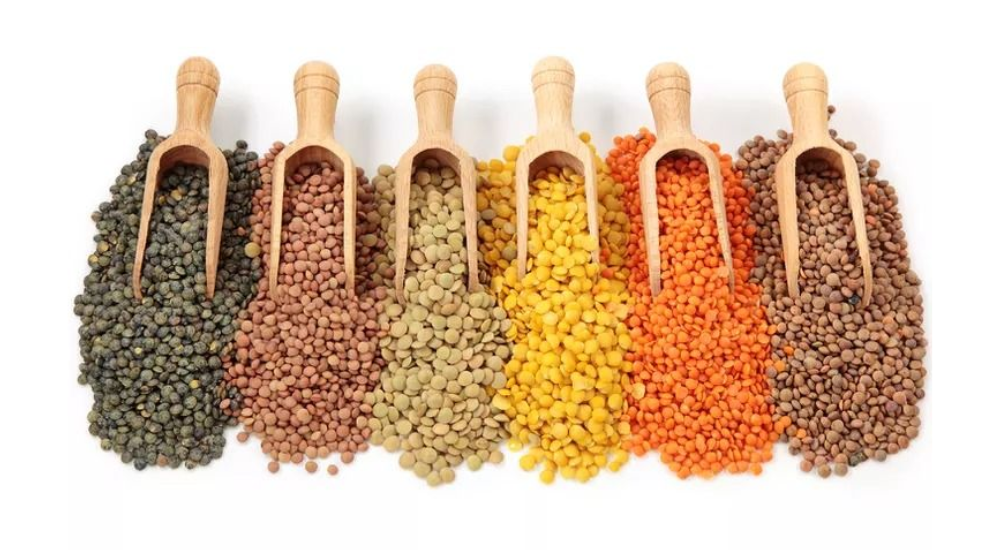
Pulses are also beneficial for the environment. They require less water to grow, which helps conserve water. Pulses also help improve soil fertility by increasing the amount of nitrogen in the soil. Pulse cultivation is a good example of sustainable agriculture in the face of climate change. These crops put less pressure on the environment and conserve natural resources.
The Importance of Pulses for Farmers and Agriculture-
Pulse cultivation proves beneficial for farmers. Including pulses in the crop rotation maintains soil quality. This also increases farmers’ income. Pulses play a significant role in the rural economy. Pulses are considered crucial in achieving self-reliant agriculture. They help provide farmers with a stable income and a better standard of living.
Ways to Celebrate World Pulses Day-
Various awareness programs can be organized on World Pulses Day. Children can be educated about the importance of pulses in schools. Pulse-based meals can be prioritized at home. The message of this day can also be spread through social media. This day provides an opportunity to reconsider our food choices.
Essential Ways to Incorporate Pulses into Daily Life-
Incorporating pulses into the daily diet is essential. Consuming a variety of pulses throughout the week maintains a balanced diet. Pulses can be included in children’s meals deliciously. Selecting seasonal pulses and cooking them properly is beneficial for health and maintains their nutritional value.
Common Misconceptions About Pulses-
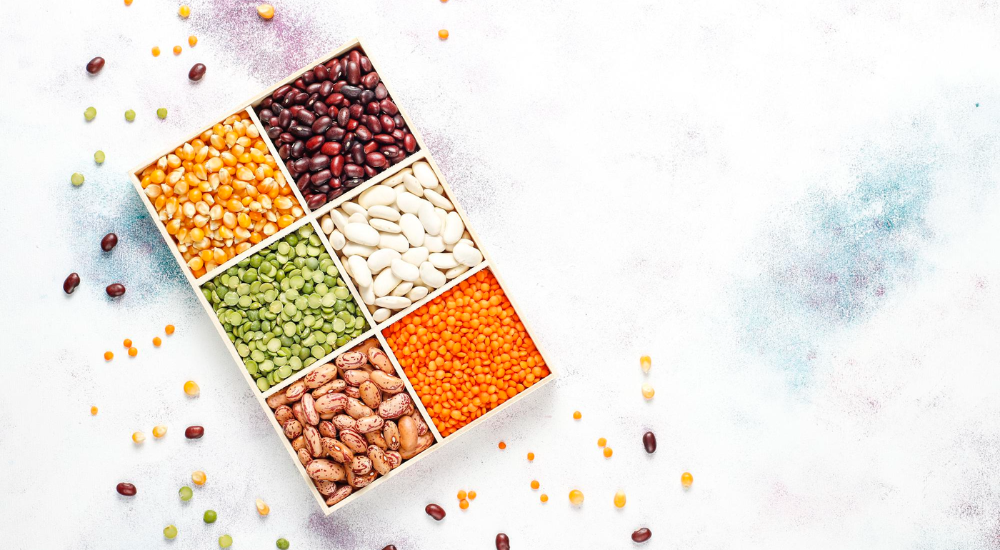
Many people believe that pulses are heavy to digest, whereas properly cooked pulses are easily digested. It is also a misconception that pulses are only the food of the poor. In reality, pulses are nutritious and useful for all ages. Due to a lack of proper information, people avoid pulses, which is not good for their health.
If you’re looking for information on educational topics, be sure to check out our website, edublog.cloud. Additionally, for digital products, be sure to check out our other website, vijaybooks.store.
Information related to the Moto G77 Camera Specs is also available on this website.
The Growing Need for Pulses in the Future-
With the growing population and changing lifestyles, the need for pulses is only going to continue to grow. Today, the world is facing the major challenge of nutritional security, where providing balanced and nutritious food to all has become a key goal. At this time, pulses emerge as a simple, accessible, and nutritious solution. Pulses provide high nutrition at a low cost, making them useful for people of all walks of life.
The growing trend toward a plant-based diet will also increase the demand for pulses in the future. Pulses are not only beneficial for health but also contribute to environmental protection, as they require less water for cultivation and maintain soil fertility. If we are to move towards a healthy society and a sustainable future, pulses must become an essential part of our diet and agricultural system.
FAQ: Common Questions Related to World Pulses Day-
Question 1: When is World Pulses Day celebrated?
Answer: On 10 February World Pulses Day is celebrated every year.
Question 2: Why are pulses essential for health?
Answer: Pulses are a good source of protein, fiber, and essential nutrients.
Question 3: Are pulses beneficial for the environment?
Answer: Yes, pulses grow in less water and increase soil fertility.
Question 4: Are pulses suitable for all age groups?
Answer: Yes, pulses are beneficial for everyone, from children to the elderly.
Question 5: Does consuming pulses help with weight loss?
Answer: Yes, pulses are high in protein and fiber, which keep you full for longer and help with weight management.
Question 6: Do all pulses provide the same nutritional value?
Answer: No, each pulse has different nutritional values. For example, mung beans are easily digestible, while chickpeas are richer in protein.
Question 7: Can pulses be given to children daily?
Answer: Yes, including pulses in children’s diets is beneficial for their health and development. They should be given in the right quantity and variety.
Conclusion- 10 February World Pulses Day
World Pulses Day provides an opportunity to understand that pulses are not just a part of the diet, but are the foundation of a healthy life and balanced nutrition. Celebrated on February 10th, this day highlights the nutritional value of pulses, their health benefits, and their role in environmental protection. Pulses provide essential energy to the body and help prevent many diseases.
In today’s times, when people are increasingly eating unhealthy diets due to fast-paced lifestyles, it’s crucial to include pulses in your daily diet. This not only benefits personal health but also has positive impacts on agriculture and the environment. World Pulses Day inspires us to become conscious consumers, embrace local pulses, and take steps towards a healthy, sustainable future.