Introduction-
Table of Contents
The world of space is as exciting as it is fraught with risks. The Space Station, simply described as a “home” in space, is where scientists and astronauts spend extended periods conducting research. It orbits hundreds of kilometers above Earth and is a magnificent example of modern technology.
NASA (National Aeronautics and Space Administration) and its astronauts play a crucial role in making these missions successful. They not only conduct scientific experiments but are also always prepared to respond to any emergency.
One such emergency is “Evacuation,” the sudden evacuation of the space station. This occurs when a serious threat arises, such as a technical malfunction, fire, or the risk of collision with space debris.
Recent incidents like these have captured global attention, as they pose a serious concern for astronaut safety. In this article, you will find simple, interesting information about this process, its causes, and the technology behind it.
What is a Space Station, and what is life like there?
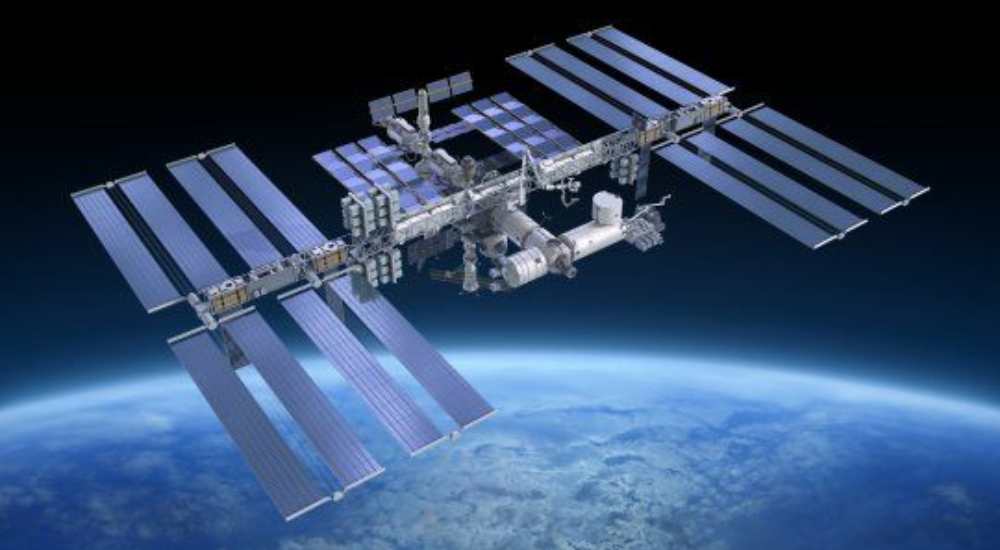
A space station is a massive, scientific laboratory-like structure built in space, where astronauts spend extended periods conducting research and experiments. The most famous example is the International Space Station (ISS), which constantly orbits approximately 400 kilometers above Earth. It was built in collaboration with several countries and consists of various modules equipped with living, working, and experimental facilities.
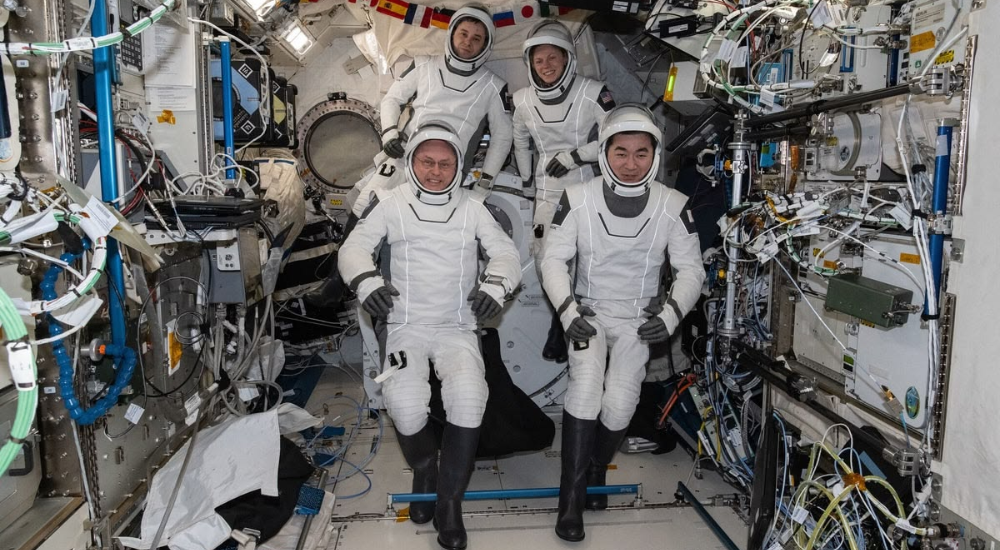
Living in space is a completely different experience from Earth. There is almost no gravity, so astronauts float in the air. While initially enjoyable, prolonged stays can take their toll on the body.
Their daily routine is highly disciplined. They eat packaged and specially prepared food, sleep chained to a wall, and spend the day conducting scientific experiments, maintenance, and exercises to maintain their fitness.
However, there are many risks and challenges, such as technical malfunctions, oxygen deprivation, or the danger of collisions with space debris. These risks require robust security measures. A backup system and emergency plan are ready for every situation, so that any danger can be dealt with immediately.
How do Hazards Arise on the Space Station?
As modern and safe as a space station is, it is also vulnerable to numerous hazards. The space environment is completely unpredictable, so even a minor problem can escalate into a major emergency.
The greatest risk is technical failure. The space station contains thousands of complex systems, such as power, oxygen supply, and temperature control. A malfunction in any one of these systems could jeopardize the safety of astronauts.
Another major risk is space debris. This is a fragment of old satellites or broken rockets that travel through space at very high speeds. If any of these fragments collide with the International Space Station, it could cause serious damage.
In addition, oxygen leaks or fires are also extremely dangerous. In a closed environment, an oxygen imbalance or fire can pose a direct threat to life.
Solar radiation is also a major hazard. Harmful rays from the sun can affect astronauts’ health, especially during a solar storm.
Apart from these, other emergencies like sudden pressure drop, computer system failure, or external collision can also arise, which always have to be prepared to deal with.
NASA Astronauts’ Evacuation: What happened?
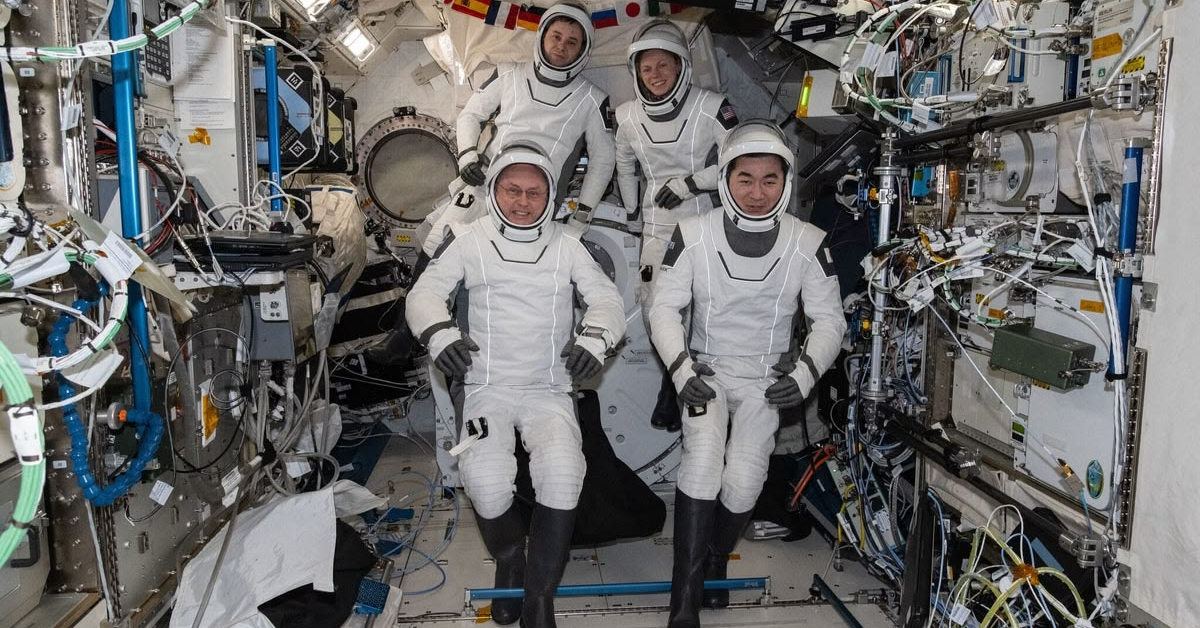
A recent situation arose during a NASA space mission that captured worldwide attention. Astronauts on the International Space Station (ISS) were suddenly warned of a potential danger, prompting an emergency evacuation procedure.
According to reports, this danger was caused by space debris rapidly approaching the station. This debris travels at very high speeds, and a collision could cause serious damage to the space station. Upon receiving the danger alert, the mission control team immediately assessed the situation and instructed the astronauts to move to a safe location.
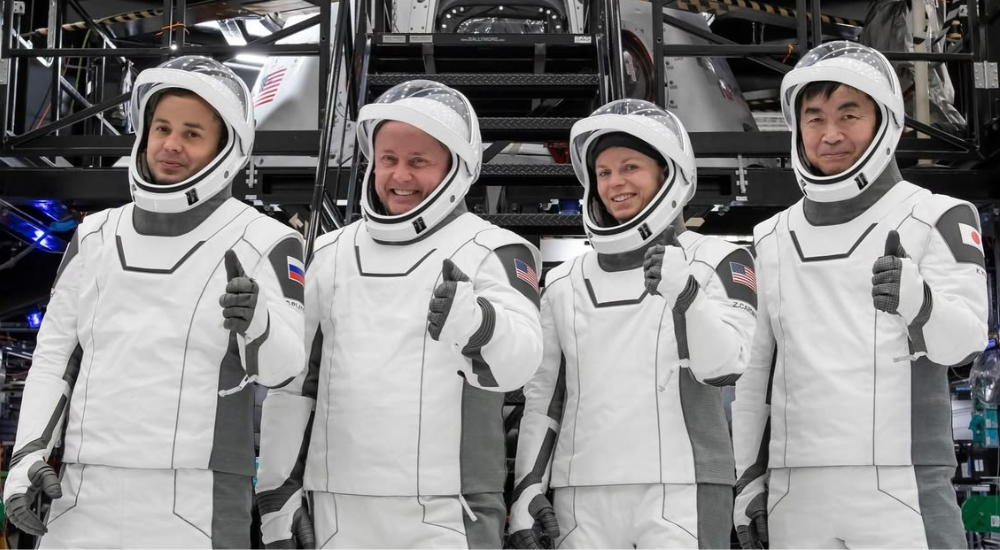
During this time, all astronauts on the station, who were from different countries, were sent to their emergency spacecraft. Typically, capsules like the Soyuz spacecraft or SpaceX Crew Dragon are kept ready for such times, allowing for a quick return to Earth if needed.
NASA acted with extreme speed and precision, controlling the situation. Fortunately, the debris did not directly impact, and the danger was averted shortly afterward. The astronauts were then allowed to return to normal work.
This mission was a completely unexpected emergency, although NASA already has training and protocols in place for such situations. This is why this threat was successfully handled without any casualties.
What are the Protocols for Astronaut Safety?
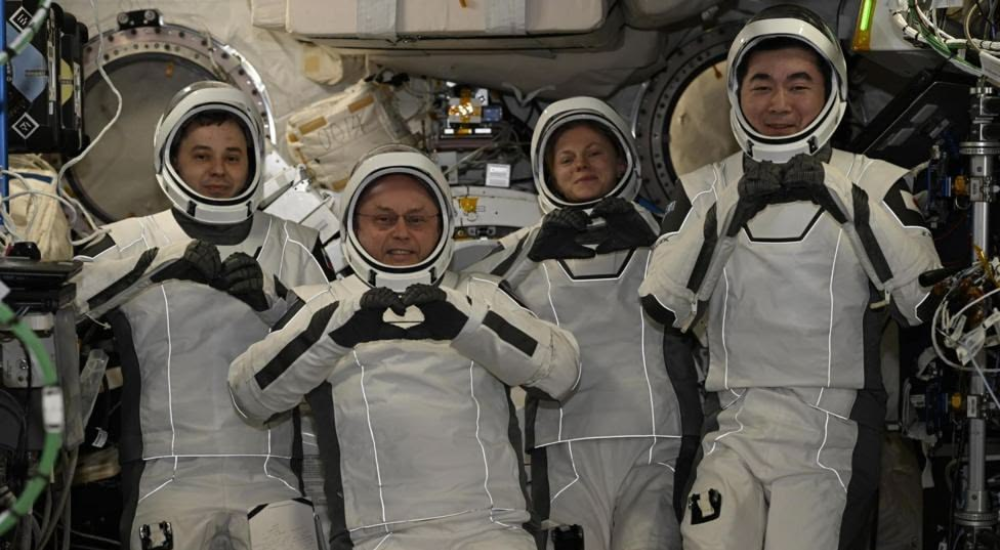
Working in space is extremely risky, so strict and pre-determined protocols are established to ensure astronaut safety. Their primary purpose is to ensure a quick and safe response to any emergency.
The most important protocol is the Emergency Evacuation Protocol, a plan for the immediate evacuation of the space station in the event of an emergency. Each astronaut knows in advance which direction to take, which equipment to use, and how soon to leave the station.
Escape vehicles attached to the space station, such as the Soyuz spacecraft and SpaceX Crew Dragon, are always kept ready. These spacecraft act as “lifeboats,” allowing astronauts to return to Earth immediately.
The alert system is also highly advanced. As soon as a hazard, such as space debris, oxygen leakage, or fire, is detected, an alarm is immediately sounded, and Mission Control issues instructions.
To deal with all these situations, astronauts undergo rigorous training and simulations. They are trained in all kinds of emergencies, so they don’t panic in real life.
Each crew member has their own responsibility-some check the systems, some handle communications, and some lead the evacuation process. This teamwork keeps them safe.
How does the Evacuation Process Work?
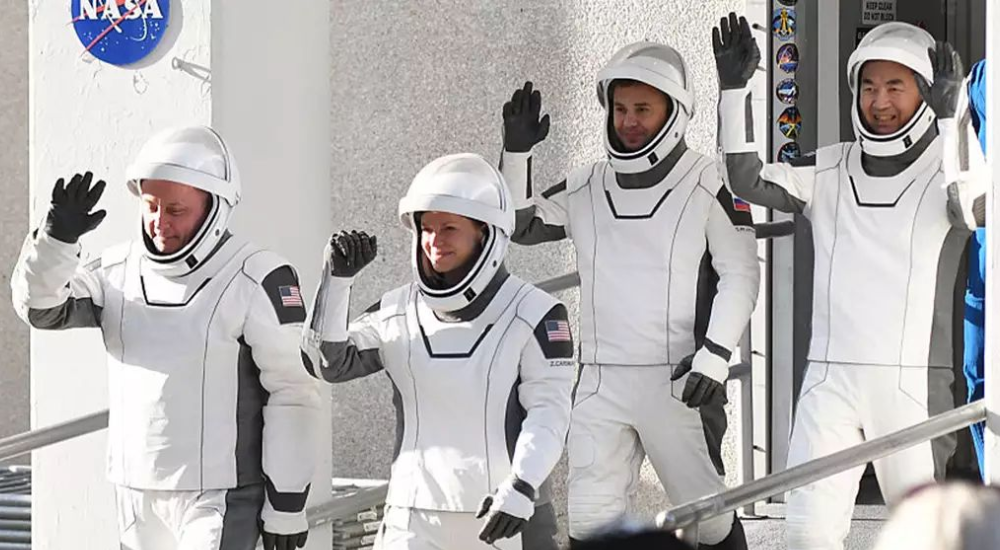
When a danger signal is detected on the space station, the alarm system is activated first. This alarm resonates throughout the station, immediately alerting all astronauts. Additionally, ground control, like NASA, continuously provides instructions about the severity of the situation and what to do next.
As soon as the alarm sounds, the crew quickly gets to work on their assigned tasks. They immediately don the necessary equipment, such as spacesuits, and proceed to the pre-determined emergency point. Every second counts, so the entire process is extremely fast and disciplined.
The astronauts then enter their escape spacecraft, such as a Soyuz spacecraft or a SpaceX Crew Dragon. There, seat belts are fastened, systems are checked, and preparations for returning to Earth begin.
Re-entry, i.e., returning to Earth’s atmosphere, is the most challenging phase. During this time, the spacecraft faces extreme heat and pressure. Maintaining the correct angle and speed is crucial.
The entire evacuation process can take anywhere from a few minutes to approximately 1–2 hours, depending on the severity of the threat. Although it involves considerable risk, modern technology and precise training ensure every effort is made to ensure safety.
What Impact did this Incident have on Space Missions?
Such emergencies directly impact NASA’s ongoing and future missions. Whenever a threat to the Space Station arises, all missions are reviewed, and necessary changes are implemented to mitigate such risks in the future.
The biggest impact is on mission planning. Sometimes, certain experiments or missions are temporarily halted, or their timelines are changed. This may cause a slight delay in scientific work, but safety is always a priority.
Furthermore, improvements are made to future plans. Emphasis is placed on adopting new technologies, installing better monitoring systems, and making spacecraft safer. Such incidents provide NASA with an opportunity to identify and improve its weaknesses.
Additional protocols are added to further strengthen safety measures, and astronaut training is further enhanced.
The impact is not limited to NASA; other space agencies, such as the European Space Agency and Roscosmos, also learn from this and improve their missions.
Is Living in Space Dangerous?
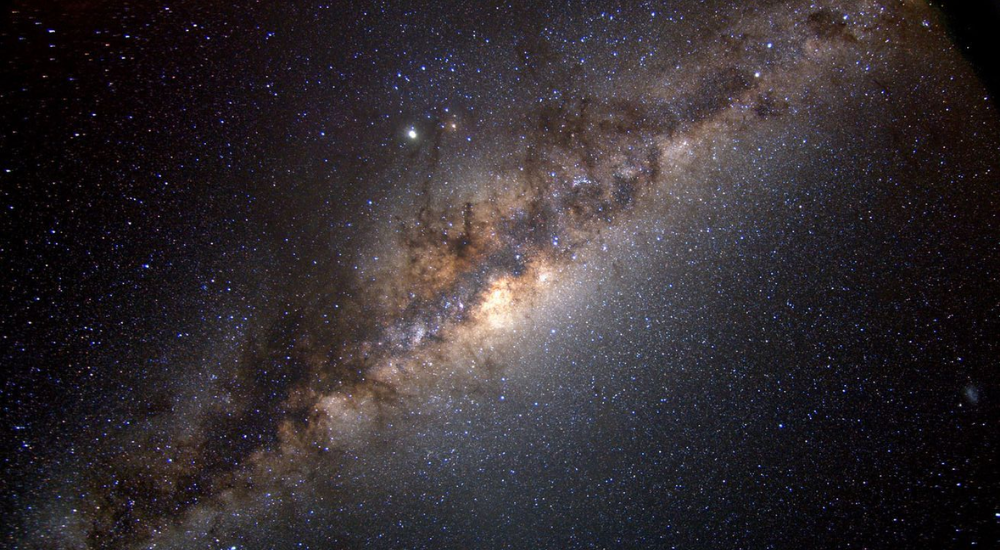
Being in space is certainly dangerous, but this risk also paves the way for new discoveries. Space missions always balance “Risk vs. Exploration”-while there are risks, they also offer new knowledge and opportunities for humanity.
Astronauts are extremely brave. They know that every mission involves risk, yet they risk their lives for the sake of science and human development. Organizations like NASA provide them with specialized training and safety equipment to minimize the risks.
Space research is vital for science and humanity. It provides us with new technologies, improved communication systems, and a deeper understanding of Earth. This is why missions continue despite these risks.
As for the future, technology is rapidly evolving. New safety systems, better spacecraft, and advanced monitoring systems can significantly reduce risks in the future. While space will never be completely safe, it can certainly be made safer than before.
How can Such Incidents be prevented in the Future?
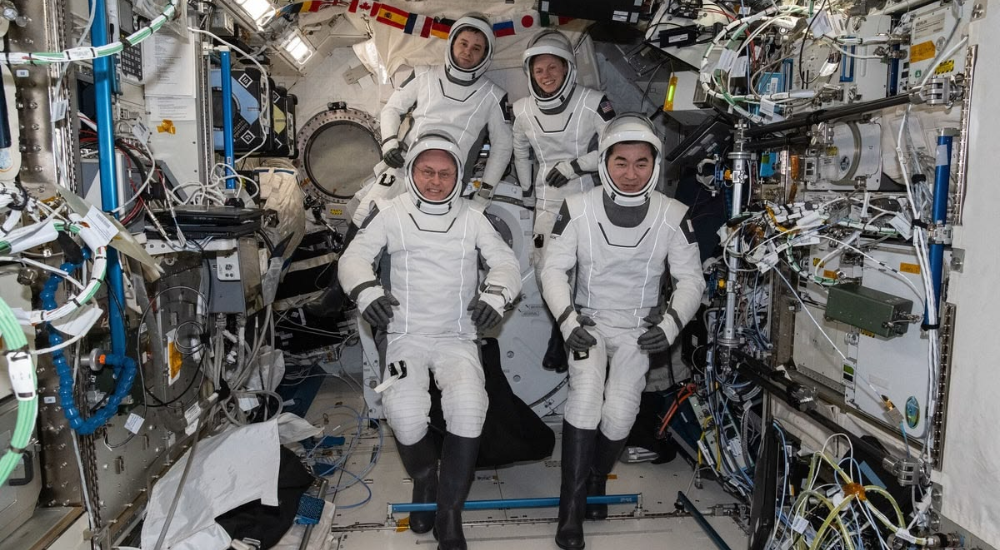
New technologies are constantly being developed to make space missions safer. NASA and other agencies are developing advanced systems that can detect hazards in advance. For example, spacecraft and stations are now being equipped with more robust materials and smart sensors.
Improved monitoring systems also play a crucial role. These systems monitor space debris, oxygen levels, temperature, and other technical aspects 24/7. As soon as an abnormality occurs, an immediate alert is issued, enabling timely action.
International cooperation is also crucial. The European Space Agency, Roscosmos, and other space agencies share data and improve safety through joint missions.
In addition, the use of AI (Artificial Intelligence) and automation is rapidly increasing. AI systems can anticipate potential hazards and even fix some problems on their own. This reduces human error and speeds up response times, which can largely prevent such emergencies in the future.
Advanced Technology Used on the Space Station-
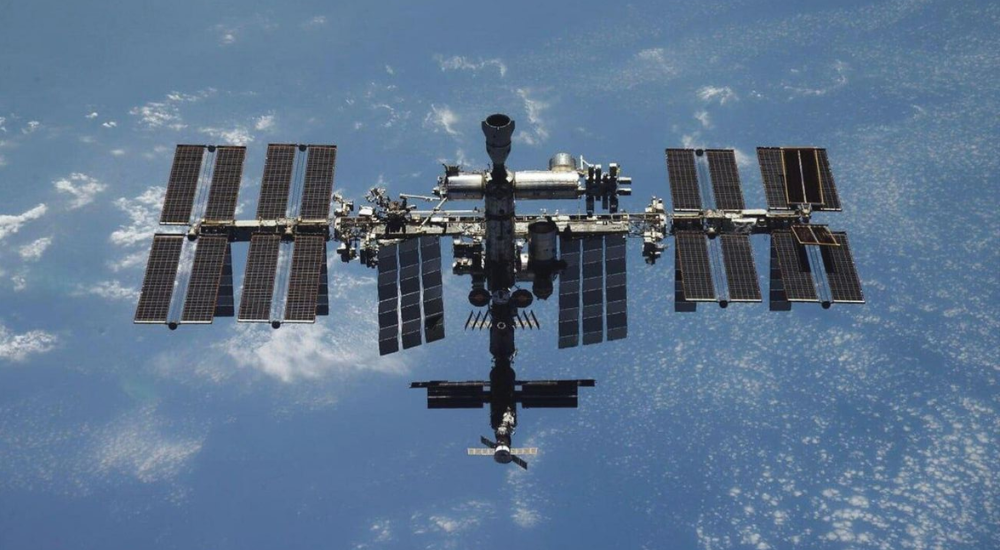
State-of-the-art technologies are used to conduct safe and successful missions in space. The International Space Station is equipped with numerous intelligent systems that monitor the station’s condition every second.
Most important are life support systems, which supply oxygen, remove carbon dioxide, and regulate temperature. Additionally, solar panels are used for power, converting solar energy into electricity.
High-tech sensors and computer systems are used for navigation and monitoring, which can detect any hazards, such as space debris or system failures, in advance. NASA continuously updates these technologies to maintain safety and efficiency.
The communication systems are also highly advanced, allowing astronauts to remain connected to Mission Control on Earth at all times.
All of these technologies serve the same purpose: to ensure the safety of astronauts and ensure the smooth completion of missions.
Quick Facts-
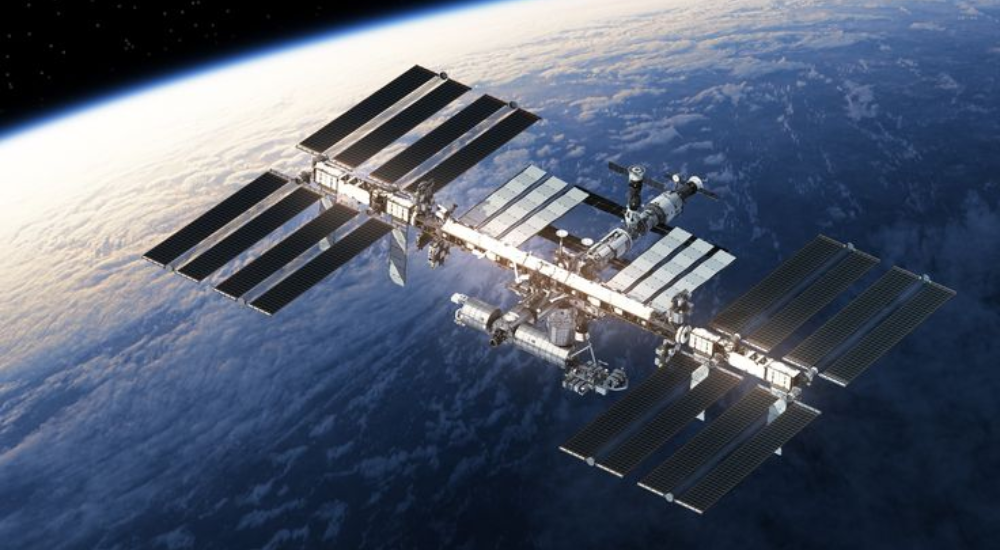
Here are some important and interesting facts about the space station:
- The International Space Station (ISS) orbits at an altitude of approximately 400 kilometers above Earth.
- It typically houses 6 to 7 astronauts, all from different countries.
- In the event of an emergency evacuation, astronauts must be ready within minutes, while the entire process (from preparation to departure from Earth) can take approximately 1-2 hours.
- Evacuations primarily use spacecraft like the Soyuz spacecraft and SpaceX Crew Dragon, which are always ready as “lifeboats.”
These facts demonstrate how everything in space depends on precise planning and rapid response.
If you’re looking for information on educational topics, be sure to check out our website, edublog.cloud. Additionally, for digital products, be sure to check out our other website, vijaybooks.store.
More information related to the NASA Artemis II is also available on this website.
FAQ (Frequently Asked Questions) about NASA Astronauts’ Evacuate from the Space Station-
Question 1: How often do space station evacuations occur?
Answer: Emergency evacuations from the space station are extremely rare. Only a few times have astronauts encountered such situations on the International Space Station, requiring them to be fully prepared. In most cases, the danger is averted in time.
Question 2: Are astronauts afraid?
Answer: Fear is a natural emotion, but astronauts are highly trained. NASA prepares them mentally and physically for every situation, so they can make informed decisions instead of panicking.
Question 3: Is evacuation always successful?
Answer: In most cases, the evacuation process is successful because it is designed with meticulous planning and training. However, the space environment is unpredictable, so risks cannot be completely eliminated.
Question 4: Can ordinary people travel to space?
Answer: Space travel opportunities are gradually increasing for ordinary people thanks to private space companies, but it remains very expensive and limited.
Question 5: How does NASA deal with such threats?
Answer: NASA is prepared to deal with every threat through advanced technology, constant monitoring, rigorous training, and emergency protocols.
Question 6: How does the internet work on the space station?
Answer: Internet on the space station is provided via satellite. NASA uses a special communication system to allow astronauts to stay in contact with Earth.
Question 7: What happens if the space station is damaged?
Answer: If the International Space Station suffers serious damage, emergency protocols are immediately implemented. If necessary, astronauts are safely evacuated.
Question 8: How long can astronauts stay in space?
Answer: Astronauts typically stay on the space station for six months, but some missions can be longer.
Question 9: Is it possible to get treated if they become ill in space?
Answer: Yes, the space station has basic medical facilities. In critical situations, astronauts can be immediately brought back to Earth.
Question 10: Why is there no gravity on the space station?
Answer: There is actually gravity there, but the International Space Station constantly revolves around the Earth, creating a state of “microgravity” and making things appear to float.
Conclusion-
This emergency evacuation incident involving the space station demonstrates that space missions are as exciting as they are complex and risky. Astronauts working on the International Space Station must remain vigilant at all times, as even a small mistake can lead to significant danger.
NASA and its astronauts work with incredible courage and dedication in this challenging environment. Their rigorous training, robust protocols, and modern technology enable such dangerous situations to be handled safely.
Looking forward, space technology is constantly evolving, which will further reduce such risks in the future. New discoveries and improved safety measures will make space travel safer and more effective than ever before.
This incident also teaches us that human curiosity and the spirit of exploration inspire us to overcome every challenge. This journey into space is extremely important not only for science but for the future of humanity.
If this information is useful, please share it with your friends.
You will find many more interesting and important information related to space and other topics on our website, so stay connected to this website to stay updated.
What are your thoughts on this event? Please let us know in the comments below!