Introduction-
Table of Contents
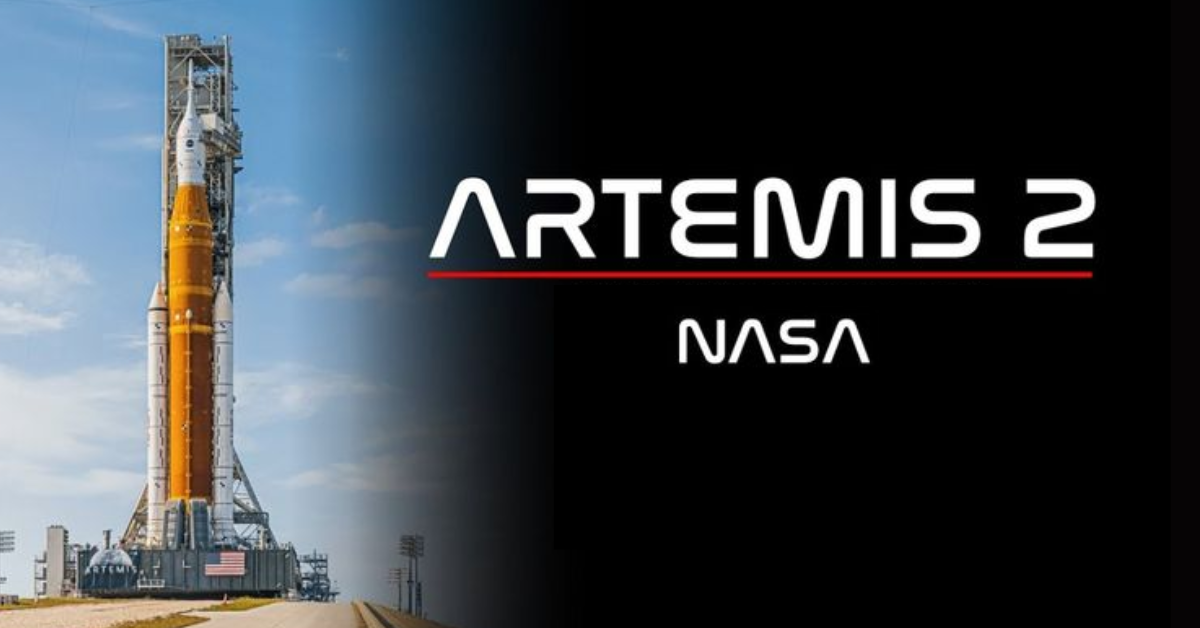
NASA is poised to make history once again. Its highly anticipated Artemis II mission, with a projected launch date of April 1, 2026 (not official), is capturing global attention. This mission is also special because it will return humans to the Moon after decades, something last seen during the Apollo program.
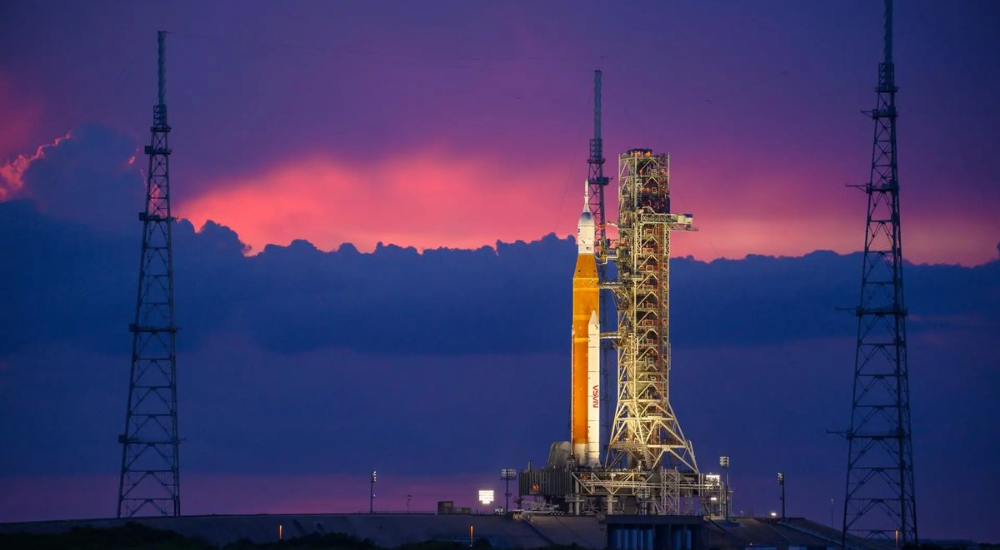
Artemis II symbolizes not just a space journey, but a new beginning for human civilization. Through this mission, astronauts will travel around the Moon and take significant steps toward a sustainable human presence on the Moon in the future.
At a time when the world is reaching new heights in science and technology, Artemis II brings a story of hope, adventure, and discovery. This mission is significant not only for scientists but for everyone who dreams of exploring the world beyond.
What is the Artemis Program?
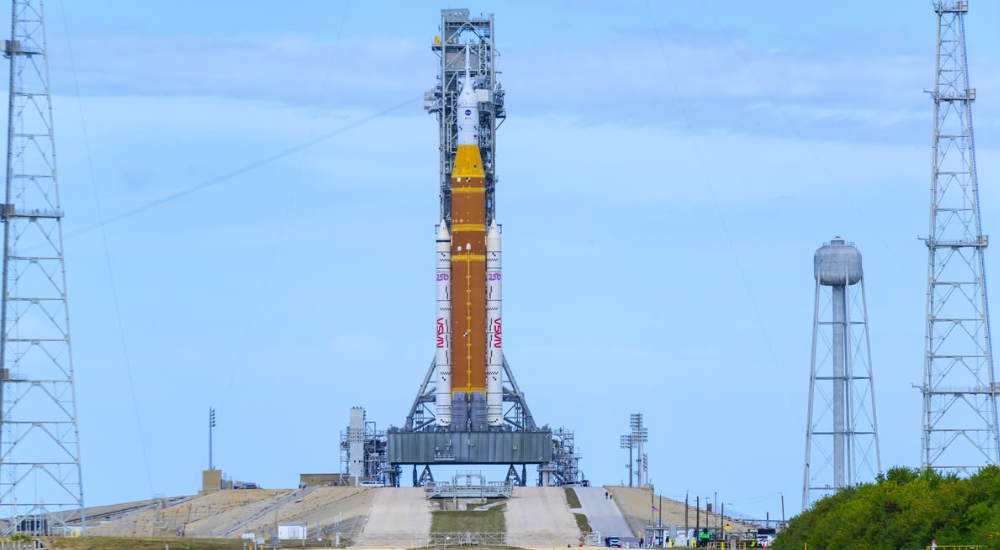
NASA’s Artemis Program is an ambitious space mission whose primary objective is to return humans to the Moon and prepare for future missions to Mars. This program is not just a single mission, but a long-term plan developed under the “Moon to Mars” strategy.
The Artemis Program is divided into three main missions. Artemis I was an unmanned test mission that tested the spacecraft’s capabilities. Artemis II will then send astronauts around the Moon, while Artemis III aims to land humans on the lunar surface.
NASA wants to return to the Moon to establish a long-term human presence there. Additionally, the Moon will be used as a “testing ground” where new technologies and systems will be tested, which will be crucial for future missions to Mars.
Thus, the Artemis Program is not limited to the Moon alone; it also marks the beginning of the next major step in human space travel.
Complete Information on the Artemis II Mission-

NASA’s Artemis II mission is considered a significant step in the history of human space travel. The primary objective of this mission is to safely send astronauts around the Moon and return them to Earth. This will be a crewed flyby mission, meaning astronauts will not land on the Moon’s surface but will instead orbit around it.
The projected launch date for this mission is April 1, 2026 (not official), although NASA is likely to change this. Artemis II is specifically designed to pave the way for future missions, especially Artemis III.
The total mission duration is expected to be approximately 8 to 10 days. During this journey, astronauts will depart from Earth, travel a certain distance around the Moon, and then return safely. Throughout this journey, they will face deep space conditions that are more challenging than those of previous missions.
Artemis II will not only conduct technology tests, but also prove that humans are once again capable of safely traveling around the Moon, a new direction for space exploration in the future.
Technology to be Used-
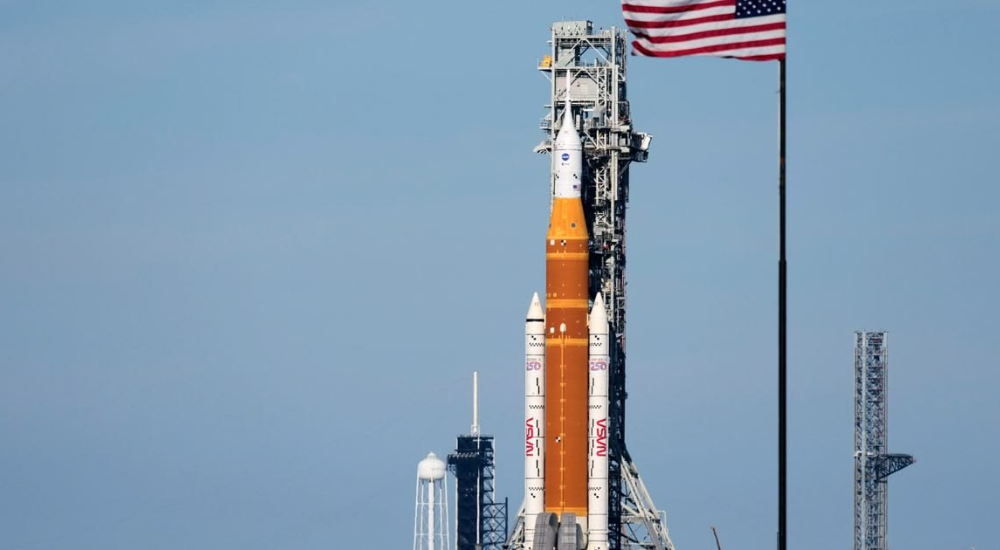
NASA’s Artemis II mission is equipped with cutting-edge technologies that make it safer and more advanced than previous missions. The Orion spacecraft, designed to transport astronauts from Earth to the Moon and back, plays a key role in this mission. Orion features modern life support systems, improved navigation, and a robust heat shield.
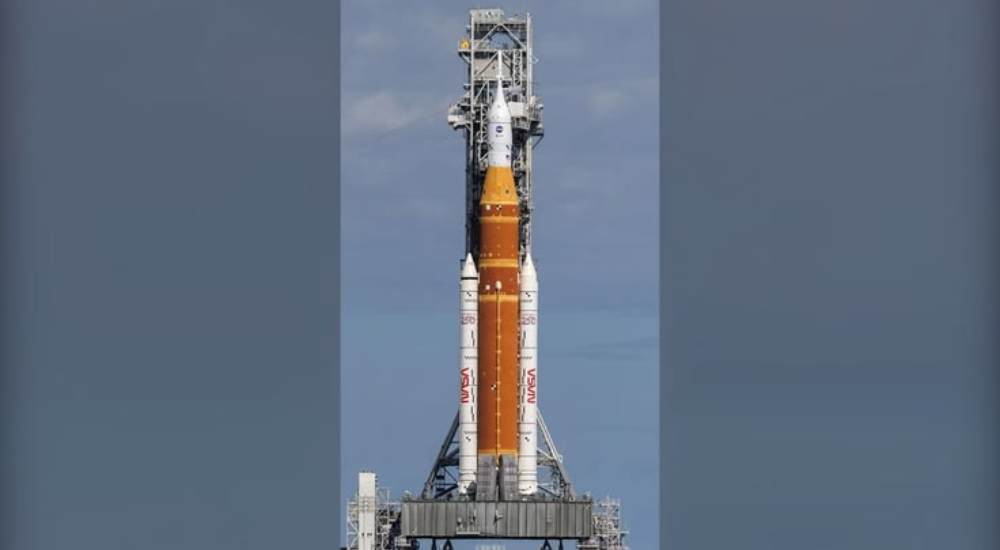
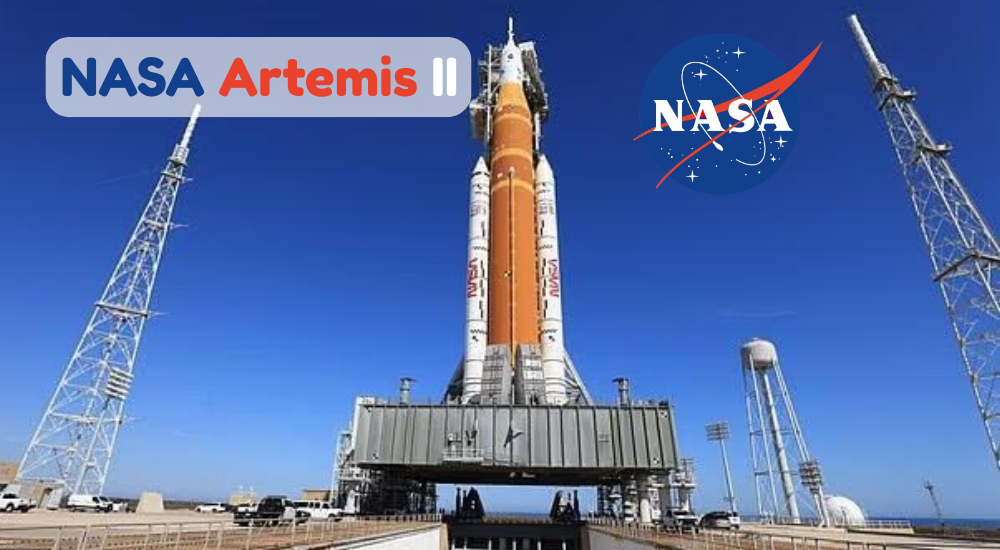
In addition, the mission will use the Space Launch System (SLS), considered the most powerful rocket ever built. This rocket is capable of propelling Orion beyond Earth’s orbit into deep space.
Artemis II incorporates several new technologies, such as advanced automation, real-time data monitoring, and improved safety systems. These technologies can help identify and address any potential threats during the mission.
Compared to the Apollo program, Artemis II’s technology is much more modern and safer. While the Apollo missions featured limited computers and basic systems, Artemis II incorporates high-tech digital systems and enhanced safety measures, taking astronaut safety to a new level.
The Role of Astronauts-
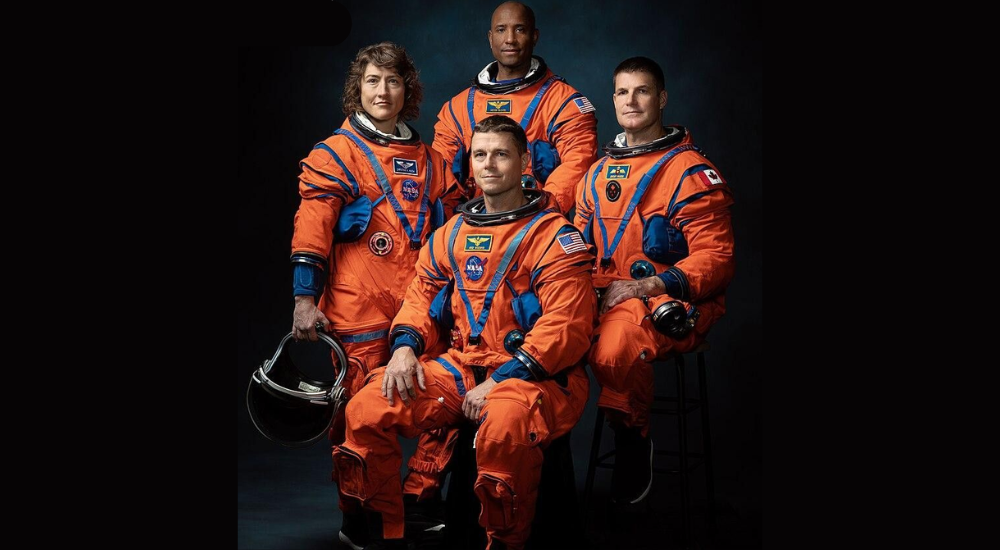
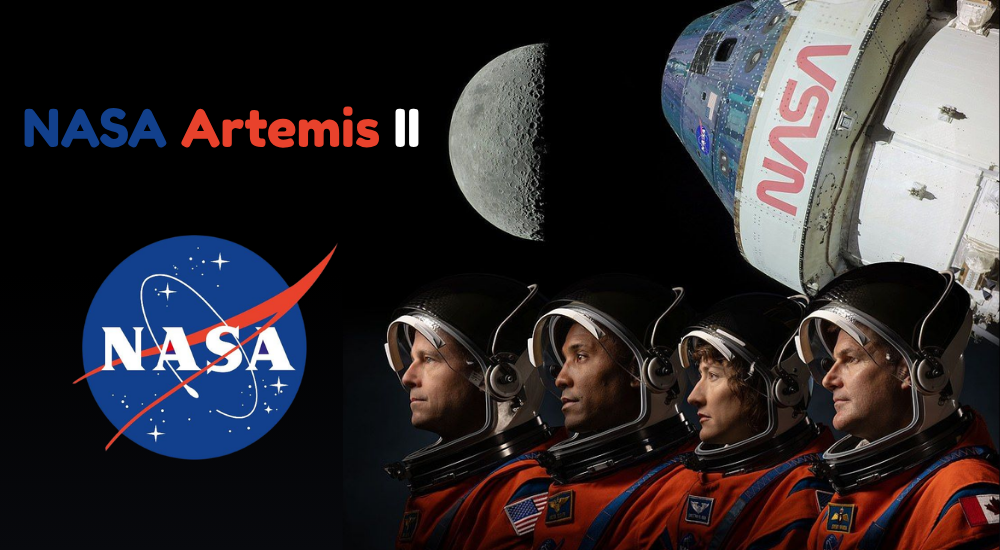
NASA has selected four experienced astronauts for Artemis II, including Reid Wiseman (Commander), Victor Glover (Pilot), Christina Koch, and Jeremy Hansen. All are experts in their respective fields and will play a crucial role in the mission’s success.
These astronauts are selected through a rigorous process that includes extensive testing of physical fitness, mental strength, and technical skills. Following selection, they undergo years of specialized training, including spacecraft operations, emergency response, and working in zero gravity.
The unique feature of Artemis II is its diversity. The participation of a female astronaut like Christina Koch makes this mission even more historic. Furthermore, the presence of Jeremy Hansen from the Canadian Space Agency makes it an international mission.
In this way, Artemis II is not only technologically advanced but also a shining example of inclusivity and global cooperation.
Mission Purpose-
NASA’s Artemis II mission is not just a space mission, but also serves several important scientific and technological purposes. The primary goal of this mission is to test human capabilities in deep space to understand how astronauts can operate away from Earth for extended periods of time.
Scientifically, Artemis II will study radiation, microgravity, and the space environment. This will provide vital data for future missions, helping to improve astronaut safety and health.
In addition, this mission will lay a strong foundation for the upcoming Artemis III. Artemis II will test the Orion spacecraft, SLS rocket, and other systems under realistic conditions, enabling Artemis III to safely land humans on the lunar surface.
In this way, Artemis II will serve as a “test mission” for future space travel, playing a key role in realizing the dream of permanently settling humans on the Moon and, further, reaching Mars.
Comparison with the Apollo Missions-

Both the Apollo program and Artemis II are important chapters in human spaceflight history, but there are several significant differences between them. The Apollo missions were the first attempts to reach the Moon in the 1960s and 1970s with limited technology, while the Artemis missions are based on modern technology and long-term planning.
Technologically, the Apollo missions had very basic computer and navigation systems, while Artemis II incorporates modern features such as advanced digital systems, automation, and real-time data monitoring. New spacecraft, like the Orion spacecraft, and more powerful rockets make this even more capable.
Artemis II also significantly advances safety. The Apollo missions were riskier because safety technology was limited at the time. In contrast, Artemis II incorporates improved life support systems, a stronger heat shield, and emergency abort systems that prioritize astronaut safety.
In this way, Artemis II not only builds on the legacy of the Apollo missions but also takes them to a new level with new technology and improved safety.
Global Impact-

The impact of Artemis II is not limited to the United States; it is impacting the entire global space sector. Space competition is rapidly increasing, with the United States, along with China and Russia, engaged in exploration of the Moon and beyond. Artemis II is poised to further accelerate this race.
This mission is also extremely important for India. ISRO has already proven its capabilities through the Chandrayaan missions, and missions like Artemis provide India with new inspiration and opportunities for technical collaboration. This could further strengthen international partnerships in the future.
In addition, the role of private companies is also rapidly increasing. Companies like SpaceX are working with NASA to develop new technologies that can make space travel more affordable and accessible.
In this way, Artemis II is not only a scientific mission but also a major step in promoting global collaboration, competition, and innovation.
Impact on Human Life-
Artemis II is not limited to space; it also has a direct impact on human life. New technologies developed through such missions, such as advanced communication systems, health monitoring, and materials science, later become useful in our everyday lives.
It also plays a major role in education and career development. NASA missions like these attract young people to science, technology, engineering, and mathematics (STEM) fields. This creates new scientists, engineers, and researchers who advance future technologies.
Most importantly, Artemis II inspires people. It shows that humans can overcome their limitations and make the impossible possible. That is why this mission gives a new generation the courage to dream and achieve their dreams.
Challenges and Risks-
Artemis II is as exciting as it is challenging. This mission involves numerous technical risks, as it involves sending humans into deep space. Even a minor error in spacecraft systems, navigation, and communication could pose a significant threat.
In addition, budget and time constraints have also impacted this mission. NASA has had to delay the launch several times for technical improvements and testing, which has increased costs.
Safety is the most important aspect of this mission. Space conditions such as radiation, microgravity, and extreme temperatures pose risks to astronauts. However, Artemis II incorporates advanced safety systems and emergency backup plans to safely handle any unexpected situation.
Thus, despite the challenges, this mission is a major test of human courage and technological capability.
Interesting Facts-
Several interesting facts about Artemis II make it extremely special. This mission will return humans to the Moon after nearly 50 years; the last time this happened was during the Apollo program.
Artemis II could also set several new records, such as being the most advanced human mission to deep space using modern technology. Furthermore, the Orion spacecraft used is safer and more technologically advanced than ever before.
This mission is also notable for its diversity, which includes astronauts from diverse backgrounds. It will also lay a strong foundation for future lunar missions, ushering in a new era of space exploration.
Future Plans-

NASA’s Artemis Program is not limited to Artemis II; its plans are even more ambitious. Its next major step is Artemis III, whose primary objective is to land humans on the lunar surface once again.
Through Artemis III, NASA aims to establish “Sustainable Human Presence,” meaning long-term human presence, on the Moon. This also includes plans to build a future base or station on the Moon for scientific research and resource utilization.
In addition, the Artemis Program’s ultimate goal is to reach Mars. Under the “Moon to Mars” strategy, the Moon will serve as a testing ground for new technologies and systems. All these efforts will help make future human missions to Mars possible.
In this way, Artemis II is laying the foundation for future major space missions, marking a historic step toward taking humans further into the universe.
Why is Artemis II the Key to the Future Space Age?
To view Artemis II as merely a mission would be to underestimate its true significance. This mission is actually laying the foundation for the next era of human space exploration. NASA’s goal is no longer just to reach the Moon, but also to stay there for a long time and further enable the journey to Mars.
Artemis II serves as a “bridge” in this direction, connecting the old Apollo program missions with future advanced space travel. This mission will test new technologies, safety measures, and human capabilities that will make space travel safer and more effective in the future.
Most importantly, this mission also promotes global collaboration and innovation. The participation of various countries and private companies makes it an international endeavor.
Thus, Artemis II is not only a scientific achievement but also a symbol of a new direction, new thinking, and infinite possibilities for humanity.
If you’re looking for information on educational topics, be sure to check out our website, edublog.cloud. Additionally, for digital products, be sure to check out our other website, vijaybooks.store.
More information related to the SpaceX Rocket is also available on this website.
FAQs (Frequently Asked Questions) about NASA Artemis II-
Q1. What is Artemis II?
Artemis II is a NASA manned mission that will send astronauts around the Moon, but will not land on its surface.
Q2. What is the launch date of Artemis II?
The projected launch date for this mission is April 1, 2026 (not official). NASA is likely to change the deadline.
Q3. Will Artemis II land on the Moon?
No, it is a flyby mission. Astronauts will only orbit the Moon.
Q4. What will happen after Artemis II?
This will be followed by the Artemis III mission, which plans to land humans on the lunar surface.
Q5. How many astronauts will be on this mission?
Artemis II will consist of a total of four astronauts who have received special training.
Q6. What is the ultimate goal of the Artemis Program?
The ultimate goal of the Artemis Program is to establish a permanent human presence on the Moon and, in the future, send a human mission to Mars.
Conclusion-
Artemis II is not just a space mission, but the beginning of a new chapter in human history. This NASA endeavor demonstrates that humanity is constantly pushing the boundaries of its capabilities through science and technology. This mission not only paves the way to reach the Moon but also lays the foundation for even larger missions in the future.
In the future, through Artemis III and subsequent missions, the dream of a permanent human presence on the Moon and then reaching Mars can become a reality. This is not only a scientific achievement, but also a matter of pride and hope for all humanity.
Artemis II teaches us that if the will is strong, no goal is too far. This mission inspires everyone who dares to dream big and achieve them.
It’s incredible to think that Artemis II will mark humanity’s return to the Moon after more than 50 years—especially with a planned launch in 2026. The mission not only builds on the legacy of Apollo but also sets the stage for long-term lunar exploration and potential future Mars missions. It’s exciting to see how this program could inspire a new generation of scientists and space enthusiasts around the world.
I really appreciate this breakdown of the Artemis II objectives. Shifting the focus from a ‘flags and footprints’ approach to building a long-term, sustainable lunar presence is such an ambitious step for the future of human space exploration.