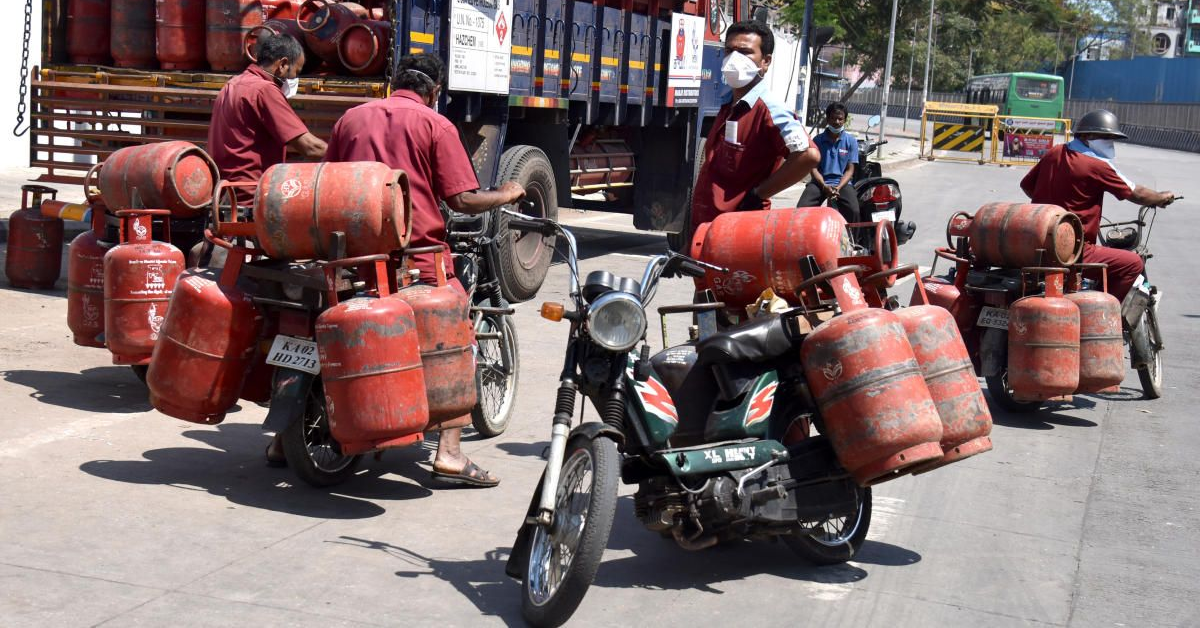
Introduction: When Global Wars Reach Indian Kitchens-
Table of Contents
Imagine waking up early in the morning to prepare breakfast for your family, only to realize that your cooking gas cylinder is empty and the gas agency says the next delivery may take days. For many households across India, this situation is slowly turning into reality as reports of LPG cylinder shortages emerge from several cities.
What makes this situation even more surprising is that the problem did not begin within India. Instead, it is linked to rising geopolitical tensions involving Iran and disruptions in major global energy routes in the Middle East. When conflicts affect oil and gas transportation, countries that rely on imports can quickly feel the impact.
Across multiple Indian cities, people are standing in long queues outside gas agencies, online bookings are increasing rapidly, and some families are temporarily switching to alternative cooking methods.
In this article, we will explore why LPG supplies are being disrupted, how the conflict involving Iran is influencing global fuel markets, the impact on households and businesses in India, and what steps the government is taking to manage the situation.
Understanding India’s Dependence on LPG-
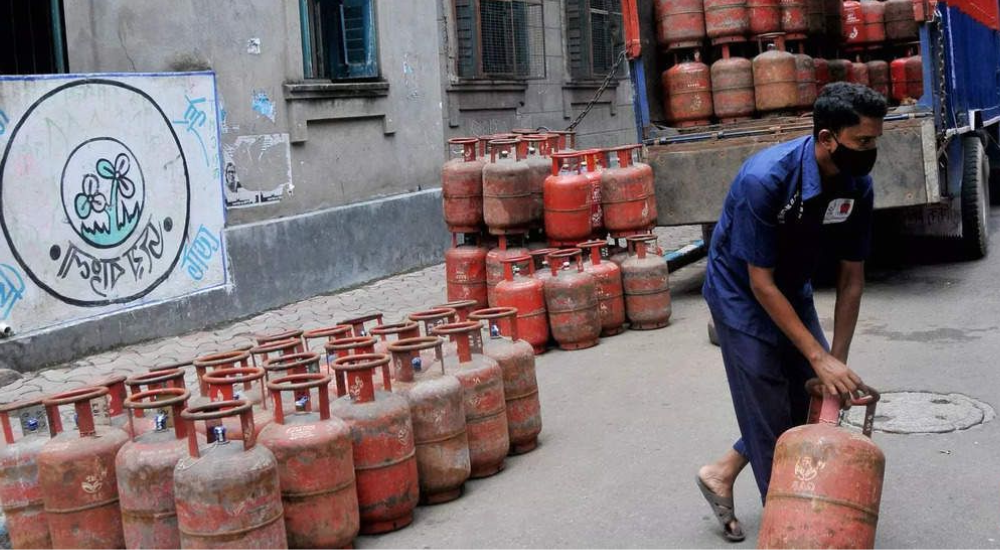
Liquefied Petroleum Gas (LPG) has become the backbone of cooking energy for millions of households across India. Over the last decade, the use of LPG cylinders has increased dramatically as more families shifted from traditional cooking fuels like firewood, coal, and kerosene to cleaner and more convenient gas-based cooking.
One of the biggest reasons behind this shift was the government initiative Pradhan Mantri Ujjwala Yojana, which expanded LPG access to rural and economically weaker households. The scheme helped millions of families receive their first LPG connection, transforming cooking habits across villages and cities.
As a result, India’s demand for LPG has grown steadily. However, the country still relies heavily on imports to meet this demand. A significant portion of LPG used in India is imported from Middle Eastern countries, and a large share of these shipments passes through the strategic shipping route known as the Strait of Hormuz.
LPG plays a critical role beyond household kitchens. It is widely used by restaurants, street food vendors, hotels, hostels, school kitchens, temples, and even food delivery businesses.
Because of this widespread dependence, even a small disruption in global energy supply chains can quickly create shortages and uncertainty for millions of Indian consumers.
Iran War and the Global Energy Shock-

The current LPG supply concerns are closely linked to rising geopolitical tensions in the Middle East. Over recent months, conflicts and military tensions involving Iran, Israel, and the United States have increased uncertainty in global energy markets. When political tensions escalate in this region, energy supply chains often become vulnerable because many major oil and gas routes pass through nearby waters.
One of the most critical energy choke points in the world is the Strait of Hormuz. This narrow maritime route connects the Persian Gulf to international waters and carries a significant portion of the world’s oil and gas shipments. Energy tankers transporting crude oil, natural gas, and LPG regularly pass through this route to reach countries across Asia, including India.
Due to rising tensions and security risks in the region, shipping companies have become more cautious. Some vessels have delayed routes, increased insurance costs, or temporarily reduced operations. As tanker movement slows, supply chains begin to feel the pressure.
For India, this matters because a considerable share of LPG imports travels through the Strait of Hormuz. When shipments slow down or transportation becomes more expensive, energy companies face supply interruptions, which can eventually lead to higher prices and slower LPG deliveries across several countries, including India.
LPG Cylinder Shortage Across Indian Cities-
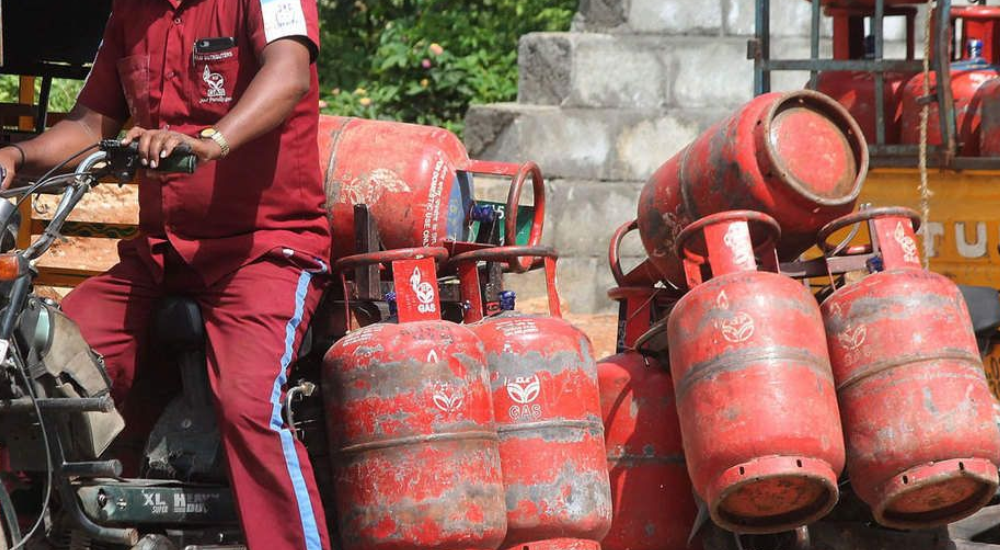
The effects of the ongoing global energy disruption are slowly becoming visible across several major cities in India. What initially appeared to be a temporary supply delay is now turning into a noticeable shortage of LPG cylinders in many areas.
On the ground, the situation is creating frustration for consumers. Long queues can be seen outside gas agencies as people try to secure their cylinder refills. Online booking systems are experiencing heavy traffic, making it harder for users to schedule deliveries quickly. In many cases, households are reporting delays of several days before receiving their booked cylinders.
Panic buying has also added pressure to the supply system. As news about potential shortages spreads, many families are attempting to refill cylinders earlier than usual, increasing demand suddenly.
Commercial LPG supply has also slowed in several regions. This is creating difficulties for restaurants, food stalls, and catering businesses that depend heavily on a continuous gas supply for daily operations.
Major cities reporting disruptions include Delhi, Mumbai, Bengaluru, Chennai, and Kolkata.
Due to limited availability, some institutions and large kitchens have already reduced cooking operations, and in certain areas, LPG prices have started rising because of supply shortages and increased demand.
Impact on Indian Households-

The biggest impact of the LPG supply disruption is being felt inside ordinary homes. For millions of Indian families, cooking gas is not just a convenience but an essential part of daily life. When LPG cylinder deliveries slow down, everyday routines can quickly become stressful and uncertain.
Many households are facing delays in receiving their cylinder refills. In some areas, families have reported waiting several days or even weeks for delivery after booking. At the same time, concerns about rising LPG prices are adding financial pressure, especially for middle- and lower-income households.
Panic buying has also contributed to the problem. As news about potential shortages spreads, many consumers are trying to refill cylinders earlier than usual, which increases waiting times and puts additional strain on supply chains. This situation has created fear among families about whether the shortage might last longer.
To cope with the situation, some households are turning to alternative cooking options. These include electric induction stoves, rice cookers, and even traditional cooking methods where available. Retail stores in many areas are seeing increased demand for electric cooking appliances.
Beyond the practical challenges, the shortage is also causing emotional stress. Rising kitchen expenses and uncertainty about fuel availability are making daily household management more difficult, particularly for families that depend entirely on LPG for cooking.
Restaurants, Hotels, and Food Businesses Hit Hard-
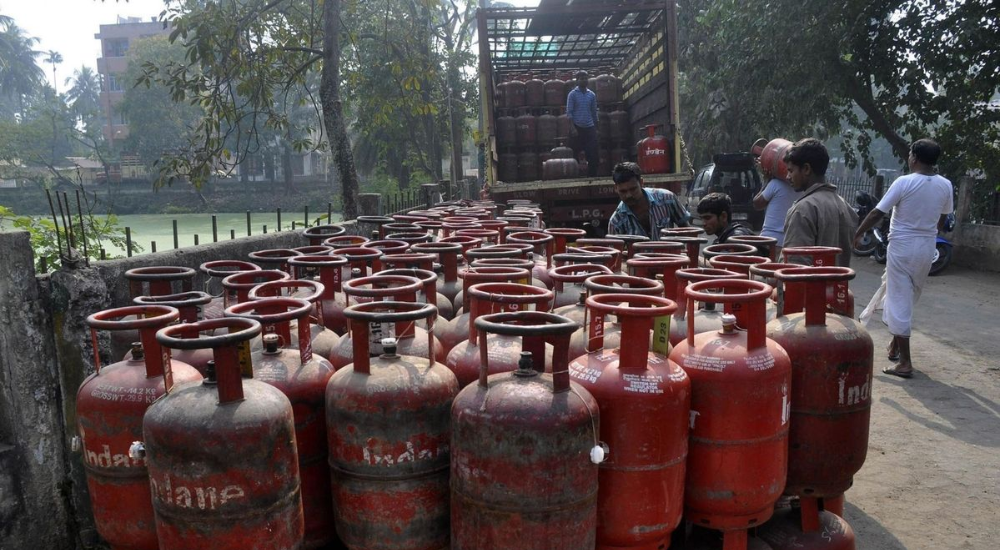
While households are feeling the pressure of LPG shortages, the hospitality and food service industry is facing an even bigger challenge. Restaurants, hotels, street food vendors, and catering services rely heavily on commercial LPG cylinders to run their kitchens every day.
With supplies slowing down in several areas, many food businesses are being forced to adjust their operations. Some restaurants have reduced their menu options to focus only on dishes that require less gas. Others are serving fewer items or limiting their cooking hours to conserve the available fuel.
In a few cases, kitchens have temporarily stopped preparing food that requires long cooking times or high gas usage. Instead, some eateries are offering simpler meals or food items that require minimal cooking. Several small establishments are also experimenting with alternatives like electric stoves or traditional wood-based cooking methods to keep their businesses running.
The situation is worrying because the food and hospitality sector supports millions of workers across India, from chefs and kitchen staff to delivery partners and vendors. If the LPG shortage continues for an extended period, many small restaurants, food stalls, and local eateries could struggle to survive, potentially affecting livelihoods and the broader local economy.
Government Response and Emergency Measures-
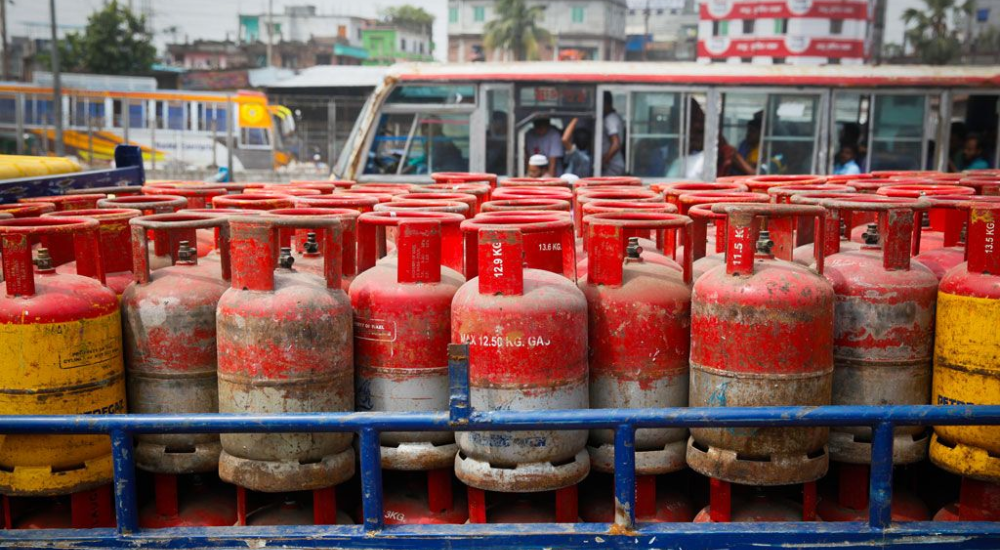
As concerns about LPG shortages grow, the government of India has begun taking several steps to stabilize supplies and reduce panic among consumers. Authorities are closely monitoring the situation and working with oil companies and distributors to ensure that essential cooking fuel remains available to households.
One of the key priorities is increasing domestic LPG production wherever possible. Government officials have directed major public sector oil companies such as Indian Oil Corporation, Bharat Petroleum, and Hindustan Petroleum to manage existing stocks carefully and improve distribution efficiency.
Another important measure is prioritizing LPG supply for domestic consumers. Household cooking needs are being given preference over commercial use to make sure that families continue receiving gas cylinders for daily cooking. In some regions, commercial LPG distribution is being monitored or temporarily limited to prevent shortages for residential users.
Authorities have also encouraged the temporary use of alternative cooking options such as kerosene, biomass fuels, and electric cooking devices where feasible. These alternatives can help reduce pressure on LPG supplies during the crisis.
At the same time, India is working to diversify its energy imports by strengthening partnerships with multiple countries. This strategy aims to reduce dependence on specific regions and improve long-term energy security for the nation.
The Bigger Economic Impact on Bharat-
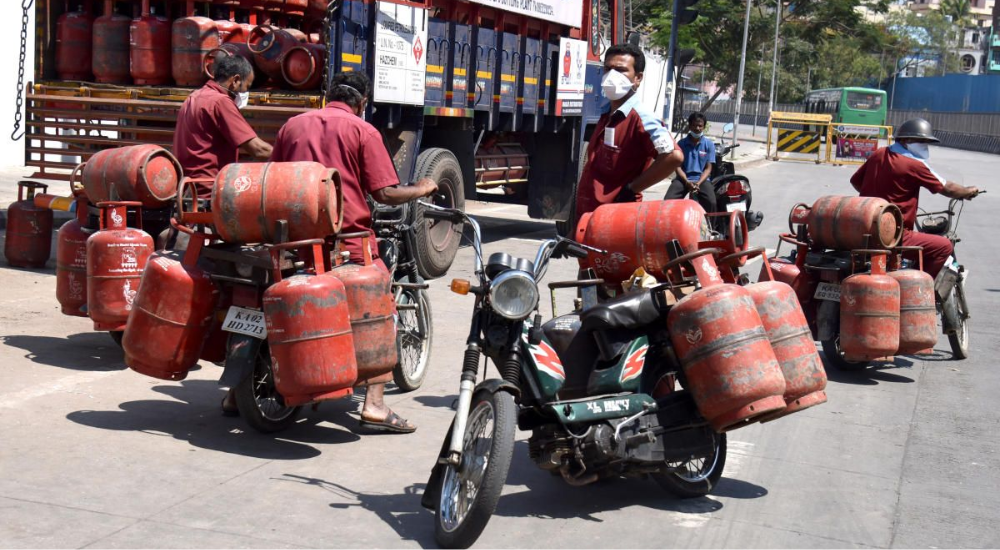
Energy shortages rarely remain confined to a single sector, and the LPG supply disruption could have wider economic consequences for India. When cooking fuel becomes limited or more expensive, the impact spreads across multiple industries that rely on a consistent energy supply.
One immediate concern is rising food prices. Restaurants, street food vendors, and catering businesses may increase menu prices to compensate for higher fuel costs and supply uncertainty. This could eventually influence overall food inflation in several cities.
The tourism and hospitality industry may also feel the pressure. Hotels and restaurants that depend heavily on commercial LPG cylinders could face higher operating costs, which may affect service prices and business profitability.
In addition, logistics and supply chain costs could rise if energy prices continue to increase. Small food businesses and local eateries that operate on thin profit margins may struggle to manage these additional expenses.
However, the crisis may also accelerate India’s transition toward alternative cooking solutions such as induction cooking, piped natural gas networks, and renewable energy options. These changes could gradually reshape the country’s long-term energy landscape.
What Happens Next? Possible Future Scenarios-
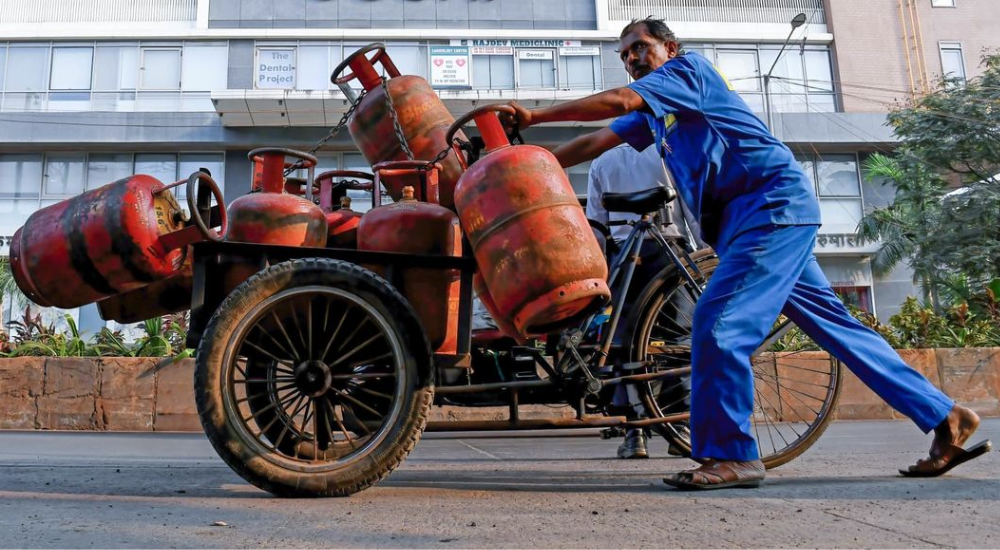
Energy experts believe that the future of LPG supply stability will largely depend on how geopolitical tensions evolve in the coming weeks. Since global energy markets are closely connected, any major development involving countries like Iran, Israel, or the United States could quickly influence fuel prices and supply routes.
One possible scenario is a gradual de-escalation of tensions. If diplomatic efforts succeed and the conflict cools down, important shipping routes such as the Strait of Hormuz could return to normal operations. In that case, LPG shipments would stabilize, and supply pressures in countries like India could ease.
Another possibility is that the conflict continues for a longer period. In such a situation, energy prices may remain high, and supply disruptions could persist, affecting LPG availability and transportation costs.
A third scenario involves strategic diversification. India may accelerate efforts to expand LPG imports from multiple countries and strengthen alternative energy infrastructure.
Regardless of which path unfolds, the situation clearly demonstrates how global political tensions can directly influence everyday life in India’s kitchens.
If you’re looking for information on educational topics, be sure to check out our website, edublog.cloud. Additionally, for digital products, be sure to check out our other website, vijaybooks.store.
Information related to the Google Pixel 10a is also available on this website.
Frequently Asked Questions (FAQs)-
1. Why is there a cooking gas cylinder shortage in India?
The shortage is mainly linked to disruptions in global energy supply chains. Rising geopolitical tensions involving Iran and security concerns around key shipping routes such as the Strait of Hormuz have slowed the movement of oil and LPG tankers. Since India imports a large portion of its LPG, any delay in shipments can affect domestic supply and distribution.
2. Which Indian cities are facing LPG cylinder shortages?
Reports suggest that several major cities are experiencing delays in LPG cylinder deliveries. These include Delhi, Mumbai, Bengaluru, Chennai, and Kolkata. In some areas, gas agencies are receiving high booking requests, which is slowing down delivery timelines.
3. How much LPG does India import?
India imports a significant share of its LPG requirements to meet growing demand. A large portion of these imports comes from Middle Eastern countries, and many shipments travel through strategic maritime routes like the Strait of Hormuz before reaching Indian ports.
4. How are households coping with the LPG shortage?
Many households are trying alternative cooking methods while waiting for gas cylinder refills. Some families are using electric induction stoves, rice cookers, or other electric cooking appliances. Others are managing fuel carefully to extend the life of their existing cylinders.
5. What steps is the government taking to manage the crisis?
The government of India has asked major oil companies like Indian Oil Corporation, Bharat Petroleum, and Hindustan Petroleum to manage LPG stocks efficiently and prioritize supply for domestic households. Authorities are also exploring alternative fuel options and expanding import partnerships to stabilize future supply.
6. Will LPG prices increase because of the crisis?
Energy market disruptions often lead to price fluctuations. If global tensions continue and shipping costs rise, LPG prices could increase temporarily. However, government monitoring and supply management may help reduce sudden price spikes for consumers.
7. How long could the LPG shortage last?
The duration of the shortage depends largely on geopolitical developments and the stability of global shipping routes. If tensions in the Middle East ease and tanker movements return to normal, LPG supplies could stabilize relatively quickly. If the conflict continues, supply pressures may last longer.
8. Why is the Strait of Hormuz important for India’s LPG supply?
The Strait of Hormuz is one of the most important shipping routes for global energy transportation. A large portion of oil and LPG shipments from the Middle East passes through this narrow waterway. Since India imports a significant share of its cooking gas from this region, any disruption in this route can slow deliveries and affect LPG availability across the country.
9. What long-term solutions can reduce LPG shortages in India?
Experts suggest that India can reduce future shortages by diversifying energy imports, expanding domestic LPG production, and increasing the use of alternative cooking technologies. Options such as piped natural gas networks, induction cooking, and renewable energy-based solutions could help reduce heavy dependence on imported LPG over time.
Conclusion: A Global War, A Local Crisis-
The recent cooking gas shortage highlights how deeply interconnected the modern world has become. A conflict thousands of kilometers away, involving countries like Iran, can still disrupt global energy supply chains and impact everyday life in India. From households to restaurants, millions of people depend on a steady supply of LPG for daily cooking needs.
While authorities and energy companies are working to stabilize LPG distribution, the situation also underscores the importance of long-term solutions. Expanding energy diversification, investing in alternative cooking technologies, and strengthening domestic fuel production can help reduce future risks.
For now, many Indian kitchens remain cautious as the global energy situation continues to evolve.