

Introduction-
Table of Contents
Recently, in the year 2026, Hantavirus has once again attracted global attention. This virus is generally considered very rare, but whenever cases emerge, it raises serious health concerns. This time, the focus of discussion is on cases of infection reported on an international cruise ship, which has raised concerns worldwide.
According to the World Health Organization (WHO), a total of 8 cases have been reported so far, with 3 deaths. This situation is considered serious because passengers from various countries, including citizens of several countries, including India, were on board the cruise ship. Two of these Indian passengers are currently asymptomatic, prompting further increased surveillance.
Hantavirus is an infection that is rare under normal circumstances, but when it spreads, it can seriously affect the lungs and kidneys. This has caused concern for medical experts and health agencies.
In this blog, you will learn in detail what Hantavirus is, how it spreads, what its symptoms are, and what lessons we can learn from this recent incident.
What is Hantavirus?
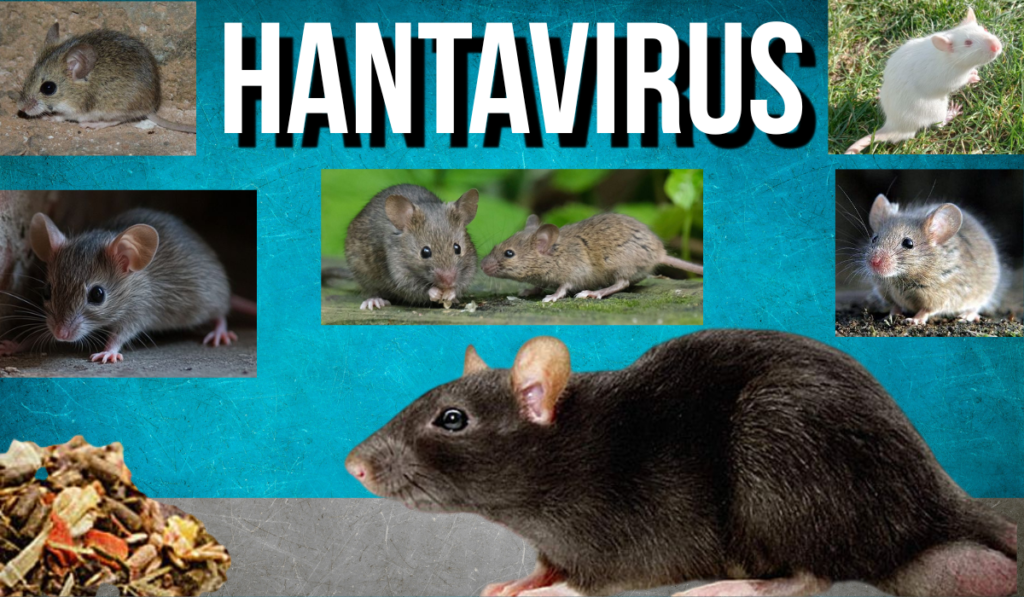
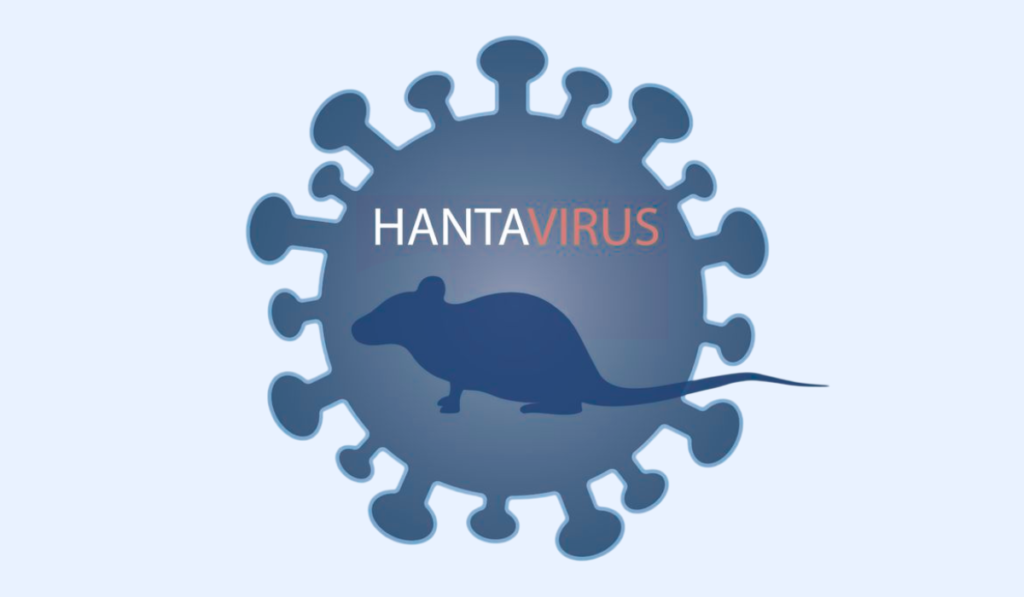
Hantavirus is a zoonotic virus, meaning it spreads primarily from animals to humans. The virus is particularly transmitted through rats and other rodents, which are considered its natural carriers. These animals themselves are not seriously affected by the virus, but they can spread it into the environment.
Infection occurs when humans come into contact with the urine, feces, or saliva of infected rodents. The virus is often spread through dust, when dried rodent waste mixes with the air and is inhaled. This is why the risk of infection is higher in dirty or enclosed spaces such as warehouses, forests, or old buildings.
In certain and rare circumstances, such as the Andes strain, the virus can also spread from person to person, although this has been observed in very limited cases.
Hantavirus infection can cause serious illness once it enters the body. It primarily affects the lungs (Hantavirus Pulmonary Syndrome) and kidneys (Hemorrhagic Fever with Renal Syndrome), which can lead to serious conditions such as difficulty breathing, internal bleeding, and organ failure.
According to the World Health Organization (WHO), hantavirus is a rare but high-risk virus. This means that it spreads in very few cases, but when it does, the consequences can be serious. Therefore, its identification, prevention, and timely treatment are extremely important.
How is this spread?
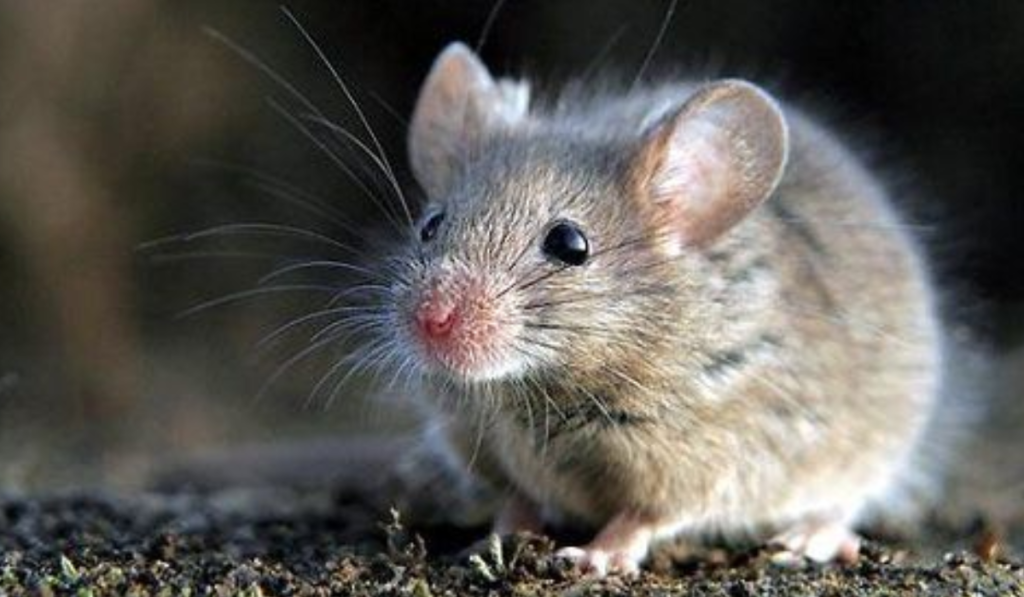
Hantavirus is primarily spread through infected rats and other rodents. These animals are natural carriers of the virus and can release it into the environment through their urine, feces, and saliva. The most common route of infection to humans is through contact with infected animals.
The most common transmission occurs when the waste (urine or feces) of an infected rat dries into dust, and this dust becomes airborne. When a person inhales this contaminated dust, the virus can enter the body. This is why the infection is often considered to be spread through airborne exposure.
In addition, living in or cleaning dirty, closed, or chronically unsanitary areas also increases the risk. Warehouses, forests, old houses, farms, and closed ships, where rodents are present, are particularly susceptible to spread.
The recent cruise ship incident in 2026 has brought the virus back into the spotlight, and the source of the infection is still under investigation. Such closed and crowded environments may increase the risk of transmission, so investigating agencies are closely examining every aspect.
Hantaviruses are not typically spread from person to person, but limited human-to-human transmission has been observed with a specific strain, the Andes variant. However, this is extremely rare, and the risk is very low under normal circumstances.
Thus, the spread of hantaviruses relies primarily on environmental contact and infected animals, making caution and hygiene extremely important.
Hantavirus Symptoms-
The symptoms of hantavirus infection initially resemble those of the common flu, which is why people often dismiss it as a mild infection. This is why the disease can be difficult to recognize in its early stages.
Initial Symptoms-
In the early stages of infection, patients typically experience symptoms such as:
- Fever
- Extreme fatigue
- Muscle aches
- Headache
These symptoms may resemble those of a common viral fever or flu, but may become severe over time.
Severe Stage-
As the virus progresses in the body, it begins to affect the respiratory system and other organs. During this stage, the patient may experience:
- Difficulty breathing
- Fluid in the lungs (Hantavirus Pulmonary Syndrome)
- Sudden drop in blood pressure
- Kidney failure
In some cases, serious complications may occur. This condition can be life-threatening and requires immediate medical attention.
Important Warning-
Hantavirus symptoms do not appear immediately. Symptoms typically appear between 1 and 8 weeks after infection. This delay can cause a person to feel normal for a long time, even after unknowingly being exposed to the infection.
For this reason, experts advise that if such symptoms appear after visiting a suspicious area or contacting rodents, it is extremely important to contact a doctor without delay. Early identification and treatment can prevent serious complications.
Differences between Hantavirus and Other Viral Infections-
Hantavirus differs from other common viral infections, such as the flu, dengue, or COVID-19, in several key ways. The first major difference is its mode of transmission. While viruses like the flu and COVID-19 spread primarily from person to person, hantavirus is mostly spread through contact with rats and rodents, making it relatively rare.
The second difference lies in the source of infection. Common viral infections can spread through the air, coughs, or sneezes, but hantavirus spreads when humans come into contact with the urine, feces, or saliva of infected rats, or inhale their dried fecal dust.
The third difference lies in its symptoms and severity. Flu or common viral fevers often cause mild to moderate symptoms, while hantavirus can, in severe cases, lead to life-threatening conditions like Hantavirus Pulmonary Syndrome (HPS) or kidney failure.
Furthermore, while viruses like COVID-19 can rapidly escalate into a global pandemic, hantaviruses have very limited human-to-human transmission, reducing their potential for becoming a pandemic.
Thus, even though hantaviruses are less prevalent, their severity makes them more dangerous than other viral infections, making prevention and awareness crucial.
2026 Cruise Ship Hantavirus Outbreak (Latest News)-

The emergence of cases of hantavirus infection on an international cruise ship in May 2026 has raised concerns among global health agencies. This incident is significant because it is linked to a large international travel network, with passengers from multiple countries present together.
According to reports, a total of eight cases of infection have been reported on this cruise ship so far, of which three have resulted in death. This situation is considered serious because the infection has spread to passengers from various countries. Passengers and crew members from approximately 23 countries were present on the ship, raising concerns about the potential for international spread of the infection.
Some passengers have experienced severe symptoms, while others are mildly or completely asymptomatic. Two Indian crew members, in particular, are also reported to be involved in this incident, although they are currently under observation without symptoms.
The World Health Organization (WHO) has taken this case seriously and declared it an international surveillance case. This means that the incident is being continuously monitored globally, and all countries have been advised to remain vigilant.
Highlights of the Outbreak-
Following this incident, the ship in question has been quarantined by several countries to prevent the spread of the infection. All passengers and crew members are under medical observation and are undergoing regular health checks.
Investigations have also revealed that the strain involved in the infection may be the Andes variant, which, in rare cases, has the potential to spread from person to person. This makes this case particularly important to scientists and health experts.
Currently, the situation is under control, but continuous monitoring and investigation are ongoing to prevent further spread of the infection.
Could it become a Pandemic?
The biggest question surrounding hantavirus is whether it could become a pandemic in the future. The World Health Organization (WHO) has clarified that the risk to the general public is low under current circumstances. This means that the risk of infection for people living a normal life is currently limited.
However, given the recent cruise ship incident and rare cases of severe infection, health agencies have intensified surveillance. Data so far suggests limited transmission of the virus, meaning it is not spreading as widely as rapidly spreading viruses like COVID-19.
According to experts, hantaviruses typically spread from animals to humans, and human-to-human transmission is extremely rare. Therefore, the likelihood of a large-scale pandemic is currently considered low.
However, due to global travel, international cruise ships, and crowded transportation, it is crucial to remain vigilant. The potential for a new infection to spread in such an environment cannot be ignored.
Therefore, even though this virus is not yet pandemic-like, early detection, monitoring, and prevention play a crucial role in controlling it.
How to Stay Safe: Hantavirus Prevention Tips-

The most important steps to prevent serious but rare infections like hantavirus are caution and hygiene. Since this virus is primarily spread through rats and rodents, avoiding contact with them is considered the most effective prevention.
First and foremost, it is important to maintain distance from rats and other rodents. If rats are detected in a home, warehouse, or any enclosed space, proper pest control should be immediately undertaken. Entering such spaces without protection can increase the risk.
Particular care should be taken when cleaning dirty or long-stayed spaces. Dust in these areas may contain virus particles, so wearing a mask and gloves is mandatory.
Furthermore, dusting in closed rooms or warehouses should be avoided, as this can spread infected particles into the air and cause them to enter the body through breathing. It is also important to thoroughly ventilate the area before cleaning.
Food and drinks should be kept safe and covered to prevent them from coming into contact with rodents. Leaving food out in the open can increase the risk of infection.
Most importantly, if a person experiences early symptoms of infection, such as fever, fatigue, or difficulty breathing, especially after exposure to a suspected source, they should immediately consult a doctor. Timely treatment can prevent serious complications.
Caution and awareness are the strongest defenses against hantavirus.
Impact and Concerns in India-
The 2026 cruise ship hantavirus outbreak has heightened vigilance in India following reports of Indian passengers being involved. However, it is a matter of relief that the Indian passengers currently associated with this incident are reported to be asymptomatic and are under medical observation.
In light of this situation, the Indian government and relevant embassies are continuously monitoring the situation. Health agencies are working in accordance with international protocols to ensure the safety of Indian citizens abroad.
The case is being monitored under the International Health Regulations to ensure the timely mitigation of any potential risks. Special attention is also being paid to screening and health checks of passengers arriving from infected areas.
Although no local cases of this infection have yet been reported in India, given global travel and contact, it is crucial to remain vigilant. Therefore, the health department continues to advise people to remain vigilant and seek immediate medical attention in case of any suspicious symptoms.
Experts’ Opinion-
Health experts believe that while hantavirus is a rare infection, its severity can be quite high when it does occur. This is why it is not taken lightly. Experts say the biggest risk of this virus is its late detection, as the initial symptoms are similar to those of the common flu.
Doctors say that early detection plays a crucial role in this infection. If patients seek medical help early, serious complications such as lung failure or kidney damage can be avoided.
Extra vigilance is advised for travelers, especially international travelers. It is important to exercise caution in enclosed spaces, cruise ships, or areas where rodents are likely to be present.
The World Health Organization (WHO) is also closely monitoring the situation and working with various countries to strengthen surveillance systems. Experts believe that awareness and prompt response are the most effective ways to control such infections.
If you’re looking for information on educational topics, be sure to check out our website, edublog.cloud. Additionally, for digital products, be sure to check out our other website, vijaybooks.store.
More information related to the National Technology Day 2026 is also available on this website.
Frequently Asked Questions (FAQs) About Hantavirus-
What is Hantavirus?
Hantavirus is a zoonotic virus that spreads primarily from rats and other rodents to humans. It can severely affect the lungs and kidneys.
Does Hantavirus spread from person to person?
Not usually. Hantaviruses are primarily transmitted from animals to humans. However, in rare cases, limited human-to-human transmission of the Andes strain has been observed.
What are the initial symptoms of Hantavirus?
Initial symptoms include fever, fatigue, muscle aches, and headache. Initially, it may appear similar to the common flu.
How dangerous is Hantavirus?
Despite being rare, this virus can be serious. If not treated promptly, it can cause conditions such as lung failure and kidney damage.
What is the 2026 cruise ship hantavirus case?
In May 2026, eight cases were reported on an international cruise ship, resulting in three deaths. Passengers from several countries were affected, and investigations are ongoing.
Is hantavirus curable?
There is no specific antiviral treatment, but early detection and intensive care support can save lives.
How can hantavirus be prevented?
Keep a distance from rodents, maintain good hygiene, use masks and gloves, and immediately consult a doctor if you notice any suspicious symptoms.
Can hantavirus become a pandemic?
At present, the WHO estimates that it is highly unlikely to become a pandemic because human-to-human transmission is limited.
How is hantavirus tested?
Hantavirus is diagnosed through blood tests (ELISA and PCR tests). These tests identify antibodies or genetic material of the virus in the body. Because the initial symptoms are mild, medical examination is crucial for a correct diagnosis.
Is there a vaccine available to prevent hantavirus?
There is no widely available vaccine for hantavirus. Therefore, prevention is considered the most effective method, such as cleanliness, rodent control, and precautions in high-risk areas.
Conclusion-
Hantavirus is a rare infection, but its severity makes it a significant health challenge. This virus spreads primarily from animals to humans and, in many cases, can severely affect the lungs and kidneys.
The 2026 cruise ship incident illustrates how even a limited but serious infection can become a source of international concern. Passengers from several countries were affected, further heightening the vigilance of global health agencies.
Currently, the situation is under control, and continuous monitoring and investigation are underway to prevent the spread of the infection. The World Health Organization and the countries concerned are closely monitoring the situation to prevent any potential threats in time.
The most important lesson from this entire situation is that awareness and caution are the best defenses. Maintaining hygiene, avoiding suspicious places, and seeking immediate medical attention if symptoms appear are essential steps to protect against this virus.