

Introduction-
Table of Contents
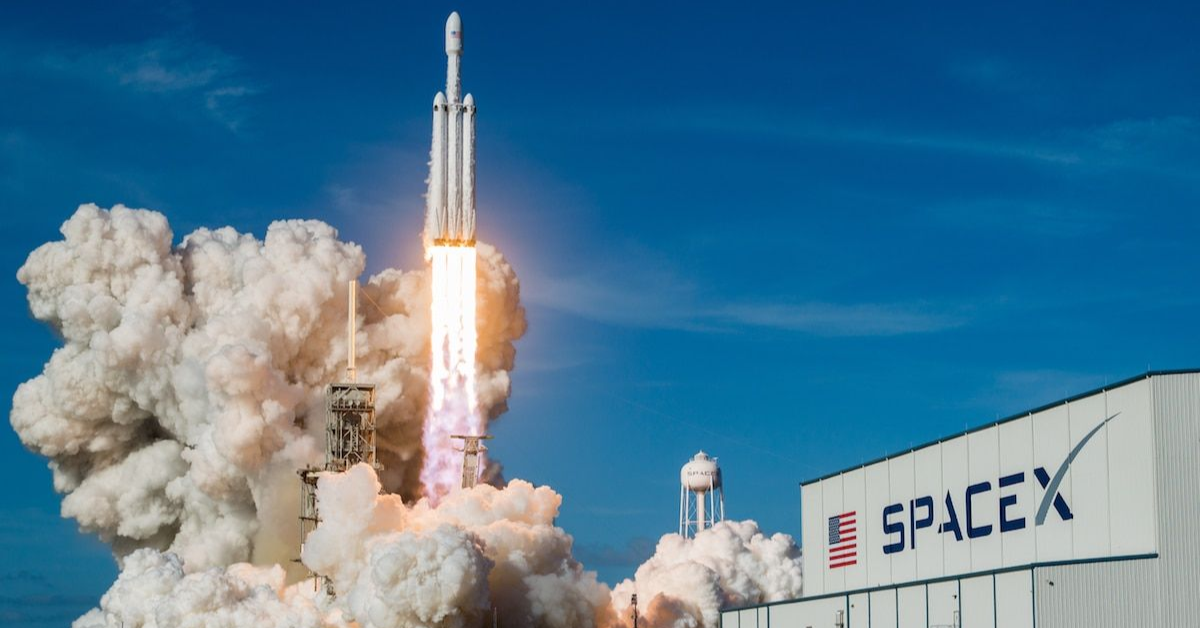
SpaceX has revolutionized the world of space exploration over the past few years. Founded by Elon Musk, the company has become a leading name in modern space technology. A powerful example of this technological advancement is the Falcon Heavy rocket, considered one of the world’s most powerful launch vehicles. This rocket has the capability to deliver heavy payloads to Earth orbit and beyond, reducing both the cost and time of space missions.
Falcon Heavy’s distinctive feature is its reusable technology, which sets it apart from other rockets. Through this technology, SpaceX is making space travel more affordable and safe.
The upcoming ViaSat-3 F3 mission is a significant example of this technology, which will take global internet connectivity to new heights.
History of SpaceX and Falcon Heavy-
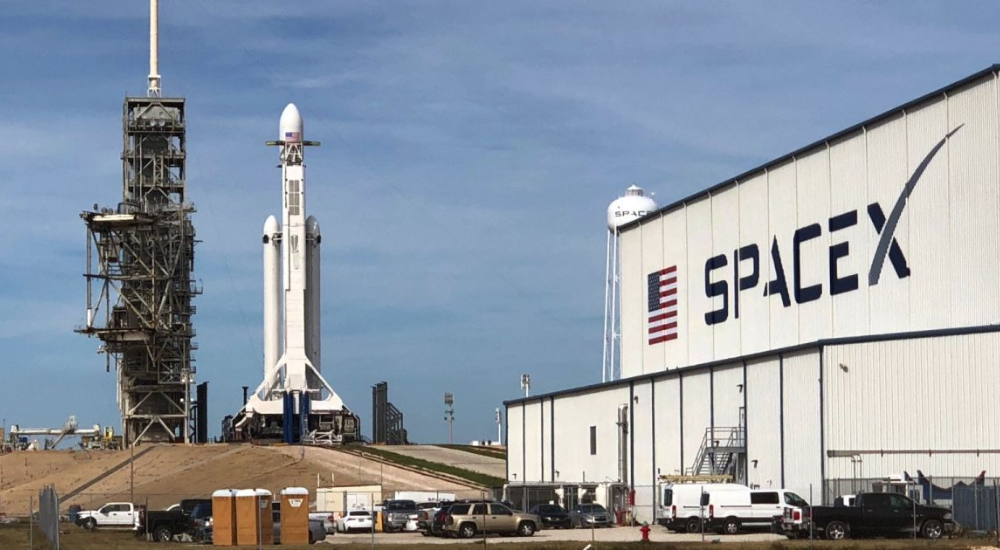
SpaceX was founded in 2002 by Elon Musk to make space travel more affordable, reusable, and practical. In its early years, the company worked on smaller rocket systems, including the Falcon 1 and Falcon 9. These successes provided SpaceX with a strong foundation and paved the way for the development of larger and more powerful rockets.
Development of the Falcon Heavy began in 2011 when SpaceX realized that future heavy satellites and deep space missions would require a more capable launch vehicle. After years of engineering, testing, and refinement, the Falcon Heavy successfully launched for the first time in 2018. This launch marked a significant milestone in SpaceX’s history.
The Falcon Heavy was specifically designed to deliver heavy payloads into space at a low cost. Its primary goal is to make space missions more accessible and economical, enabling the easy deployment of scientific and commercial satellites into orbit.
The greatest achievement of this technology is its reusable structure, allowing its boosters to be returned and reused. This innovation distinguishes SpaceX from other space agencies and private companies. Collaborations with NASA and several private companies have made this technology more advanced and reliable.
Falcon Heavy’s Technical Structure-
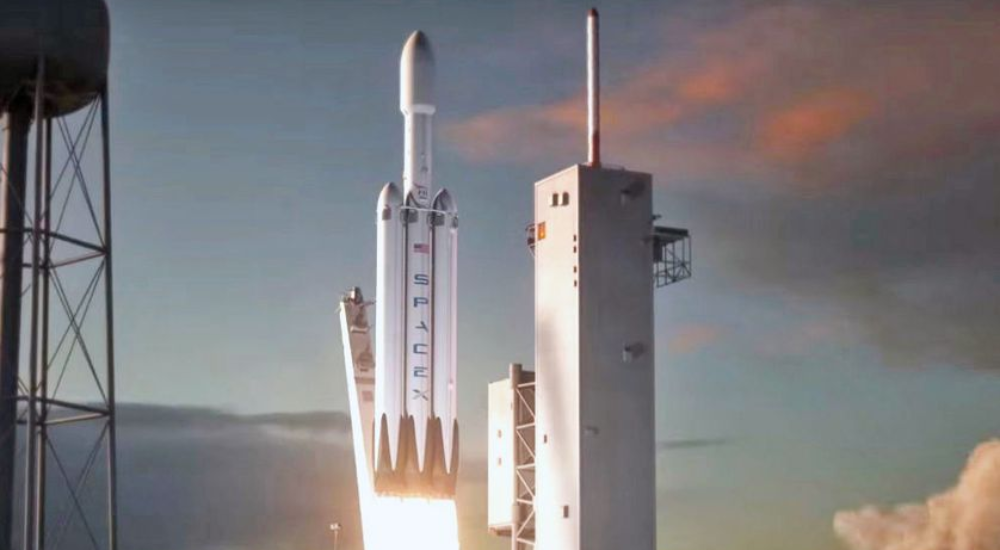
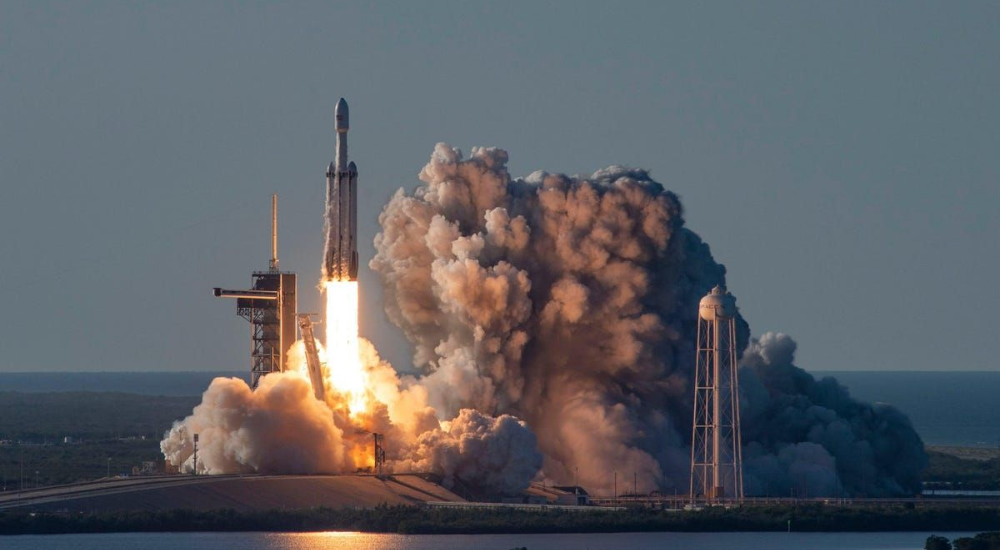
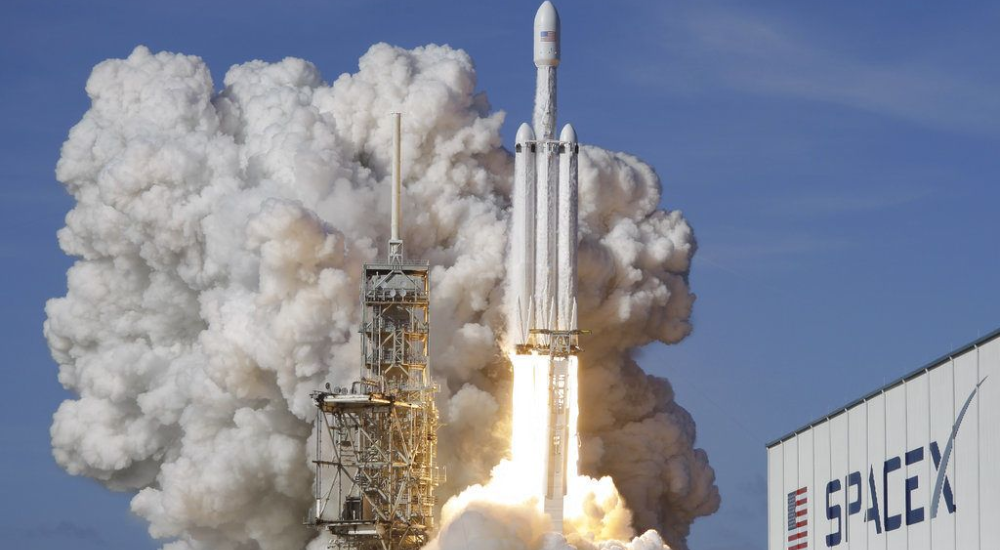
Falcon Heavy is one of the most powerful rockets in the world, and its technical structure makes it unique. It is primarily constructed by combining three Falcon 9 cores, consisting of a central core and two side boosters. This design provides the rocket with immense thrust and stability, enabling it to send heavy payloads into space.
The rocket is equipped with a total of 27 Merlin engines, which provide tremendous power. These engines work together to provide the rocket with the necessary thrust at launch. Each engine is designed with high efficiency and reusable technology, significantly reducing mission costs.
Falcon Heavy has a payload capacity of approximately 63,800 kg, making it ideal for heavy satellites and deep space missions. This capability makes it many times more powerful than other rockets.
The side boosters and center core play a significant role in its structure. During the initial launch phase, all three cores operate in tandem, but after a short time, the side boosters separate and attempt to return to Earth, while the center core continues its journey.
The rocket’s fuel system uses RP-1 (refined kerosene) and liquid oxygen, which contribute to high power output. Furthermore, the Falcon Heavy incorporates advanced automation and AI-based control systems, which help make real-time decisions and maintain stability during flight.
Introduction to the ViaSat-3 F3 Mission-
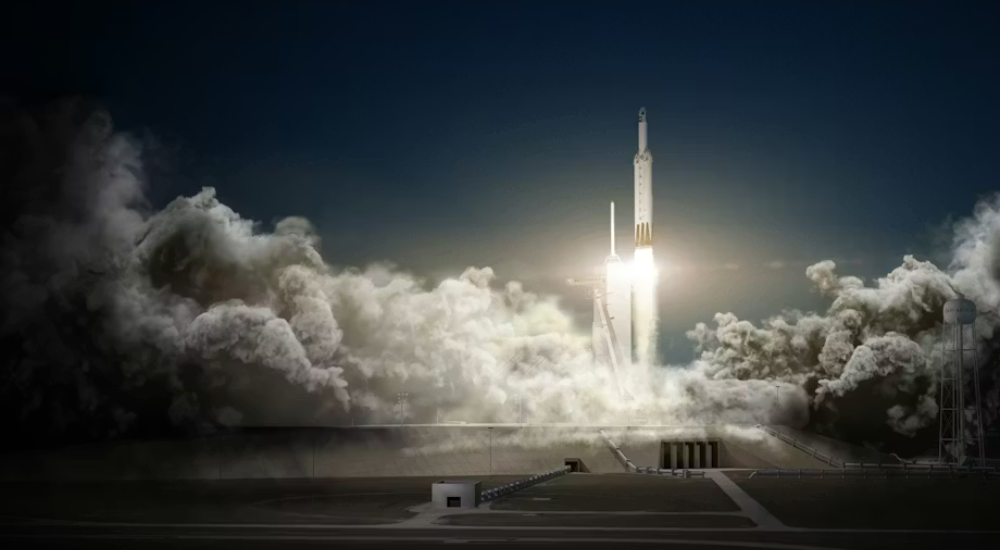
The ViaSat-3 F3 (Asia-Pacific) mission is a crucial collaboration between SpaceX and ViaSat, aiming to take global internet connectivity to a new level. This mission is specifically designed for the Asia-Pacific region, where vast oceanic areas and remote areas remain unconnected to high-speed internet.
The mission’s primary goal is to strengthen and expand global high-speed internet coverage worldwide. The ViaSat-3 series satellites are high-capacity communications satellites capable of transmitting more data than ever before. They will be launched into space aboard a Falcon Heavy rocket, making this mission even more technologically significant.
The mission’s key strength is that it will provide improved internet connectivity to maritime areas, remote islands, and rural areas. This will not only strengthen communications but also improve education, business, and emergency services.
The ViaSat-3 F3 mission is designed to deliver low-latency and high-bandwidth internet service, making video streaming, cloud services, and real-time communication faster and more stable than ever before. This mission will play a crucial role in bridging the global digital divide and shaping future internet technology.
Launch Details (April 27, 2026)-
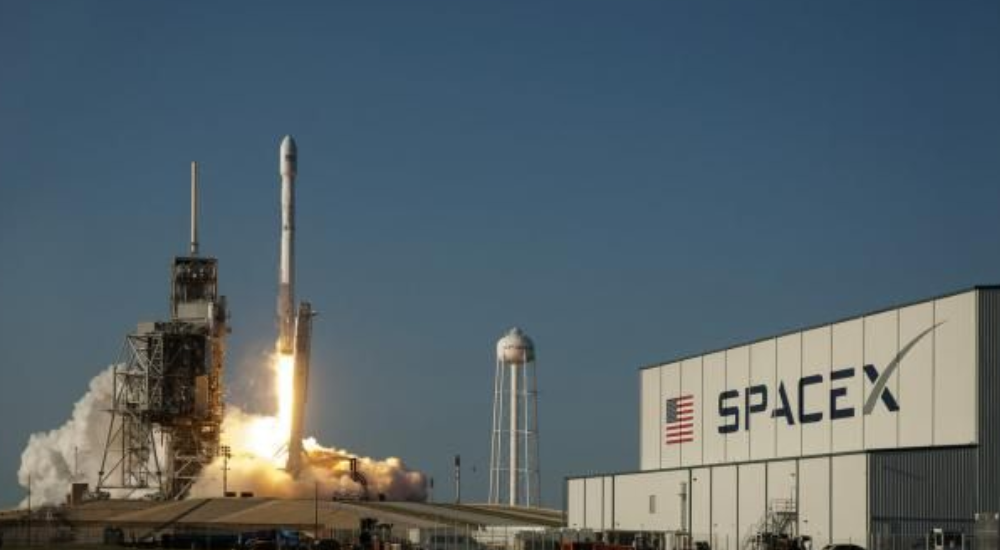
The launch of the SpaceX Falcon Heavy for the ViaSat-3 F3 mission is a crucial milestone, scheduled for April 27, 2026. This launch is considered a major step toward expanding space technology and global communications networks.
The estimated launch time is 7:51 p.m. IST, 10:21 a.m. EDT, and 14:21 UTC estimated. This time is carefully chosen for space missions to achieve the best balance between Earth orbit, weather conditions, and technical stability. The launch location is LC-39A, Kennedy Space Center, Florida, one of SpaceX’s most prominent and historic launch sites.
Weather plays a crucial role in this mission. Strong winds, rain, or cloudy conditions can impact the launch process, so weather is constantly monitored before launch. Furthermore, the launch window, the timeframe within which launching the rocket is safest and most efficient, is also determined with great precision.
Safety protocols are a crucial part of this entire mission. Every system is tested multiple times before launch, and strict guidelines are followed to minimize any technical or environmental risks. This ensures a safe and successful mission.
How can I watch the Falcon Heavy launch?
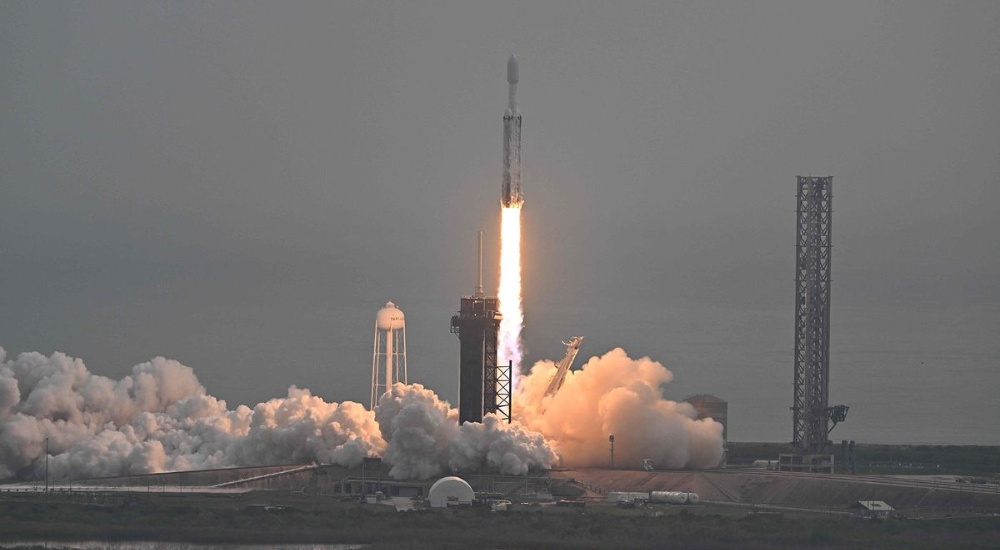
Watching a major space mission like the Falcon Heavy live is easier than ever today. SpaceX livestreams every major launch to a worldwide audience, allowing people to witness every critical process of the rocket launch in real-time.
First and foremost, SpaceX’s official livestream is the most reliable source, which the company broadcasts on its website and official platforms. The entire process, from launch to booster landing, can be seen through it.
In addition, YouTube and NASA TV coverage also widely broadcast the launch. These platforms help understand the mission with high-quality video and expert commentary.
SpaceX and space agencies also share live updates on social media platforms like Twitter, providing real-time information.
Users can set notifications on their mobile devices or devices through the Launch Time Alert System to ensure they don’t miss any important updates or launch times.
Boosters Reuse and Landing Plan-
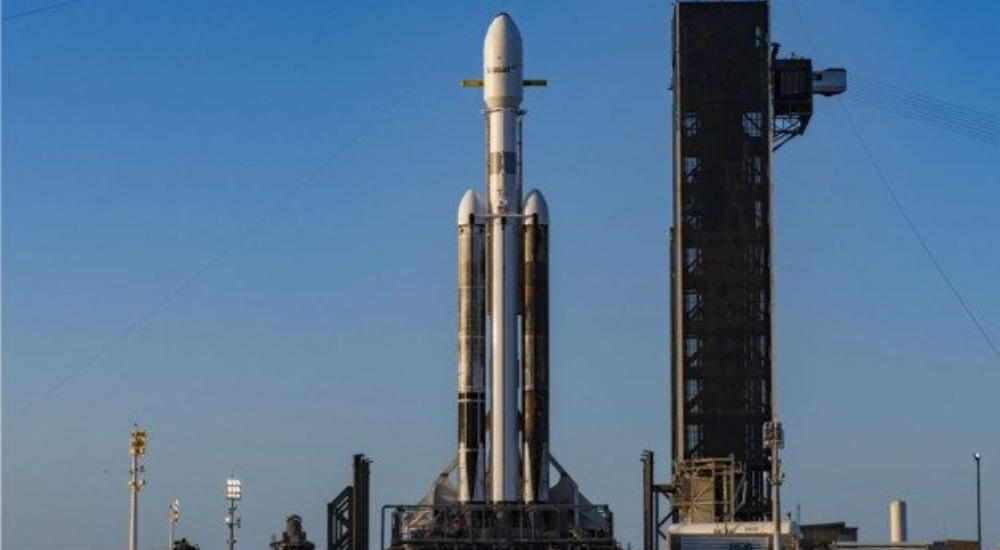
One of the most revolutionary features of the Falcon Heavy mission is its booster reuse and landing system. This technology plays a crucial role in reducing the cost of space missions and making missions more effective.
This launch uses two side boosters, which are designed to separate after launch and land back on Earth via an RTLS (Return to Launch Site) procedure. These boosters return to Earth in a controlled manner a few minutes after launch and land safely near the launch site. This allows them to be reused for future missions.
On the other hand, the core behaves differently. It operates during the more energy-intensive phase of the mission and helps propel the spacecraft into space. However, in this mission, the center core is placed in expended mode, meaning it will not return to Earth and will eventually fall into the ocean.
The biggest advantage of this system is a significant cost reduction, as new boosters are not required repeatedly. Furthermore, this reusable technology makes the space industry more environmentally friendly and efficient.
This model of Falcon Heavy promotes the sustainability of space missions and advances future space travel in a more practical and affordable direction.
Mission’s Scientific Significance-
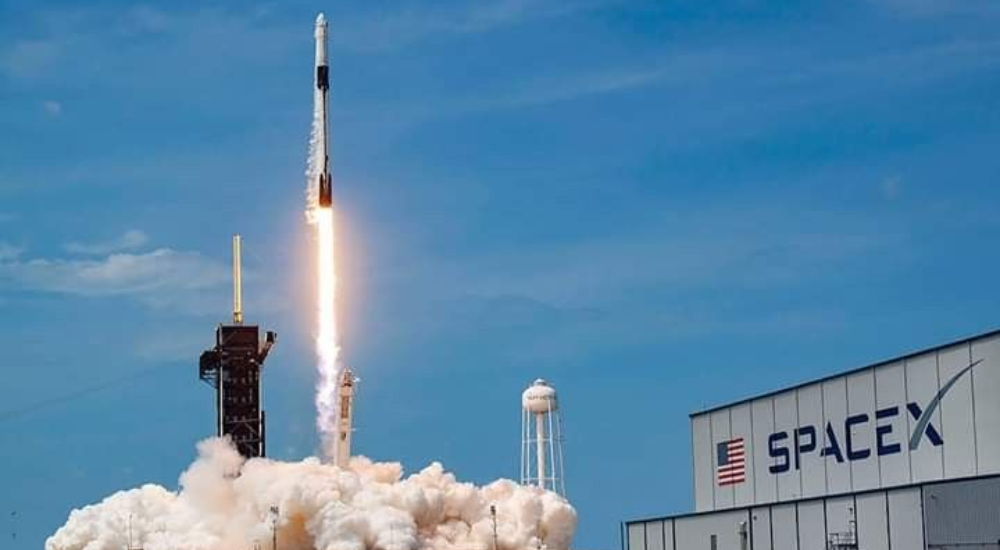
The ViaSat-3 F3 mission is not just a rocket launch, but a significant step in the development of modern science and communications technology. The mission’s primary scientific objective is to further strengthen satellite-based internet networks, thereby significantly increasing data transfer capacity worldwide.
This mission advances the satellite internet revolution, where the limitations of traditional cable networks are being eliminated, and space-based networking is becoming the new standard. This strengthens the global digital bridge, helping to bridge the technological gap between developed and developing countries.
The greatest impact of this technology will be seen in remote and oceanic regions, where stable internet connectivity has been challenging until now. Satellites like ViaSat-3 F3 will provide high-speed and reliable internet service in these areas, creating new opportunities for education, healthcare, and business.
From a scientific perspective, this mission lays a strong foundation for future space communication technology. It demonstrates that space-based networking could become a core part of the global communications system in the future.
Thus, this mission not only symbolizes technological progress but also makes a significant contribution to the expansion of the digital world and the development of human civilization.
Global Impact of ViaSat-3 F3-
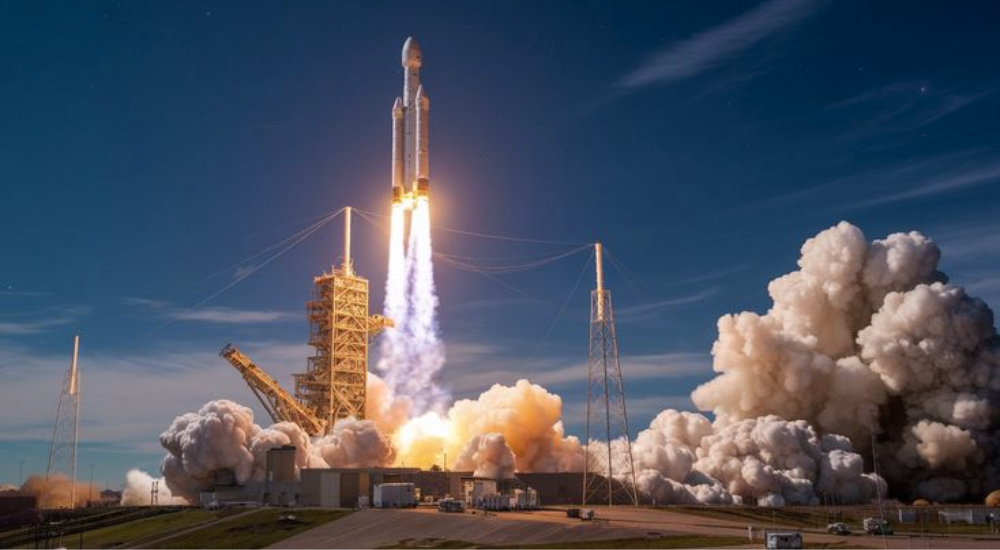
The ViaSat-3 F3 mission is not just a technological achievement, but it has the potential to transform digital connectivity globally. Its greatest impact will be felt in the Asia-Pacific region, where internet access remains limited in vast oceanic areas and remote islands. This mission will accelerate digital development by providing fast and stable internet access to these regions.
A key objective of this project is to reduce the digital divide, i.e., narrow the technological gap between developed and developing countries. Improved internet access will enable more people to connect to digital services, online resources, and global networks.
It will also have a major impact on education and business. Students will gain better access to online education, and businesses will find new opportunities to connect to the global market, boosting economic growth.
Furthermore, this mission expands global connectivity, making communication systems around the world faster, stable, and reliable. This is a significant step towards the future space-based internet economy.
SpaceX’s Technological Innovation Capabilities-
SpaceX has established a unique identity in the space industry through its technological innovation capabilities. Its most significant achievement is reusable rocket technology, which has significantly reduced the cost of space missions. Rocket boosters like the Falcon 9 and Falcon Heavy can be re-landed and reused, a feat previously considered impossible.
The company has also adopted AI-based launch systems and automation technology, making the launch process safer, more accurate, and more efficient. This technology helps make decisions based on real-time data and reduces human error.
SpaceX is known for delivering high efficiency at a low cost, making space missions more feasible. Furthermore, its collaboration with NASA and the private sector provides new impetus to space research and commercial missions, benefiting the entire space industry.
Falcon Heavy and the Future Space Economy-
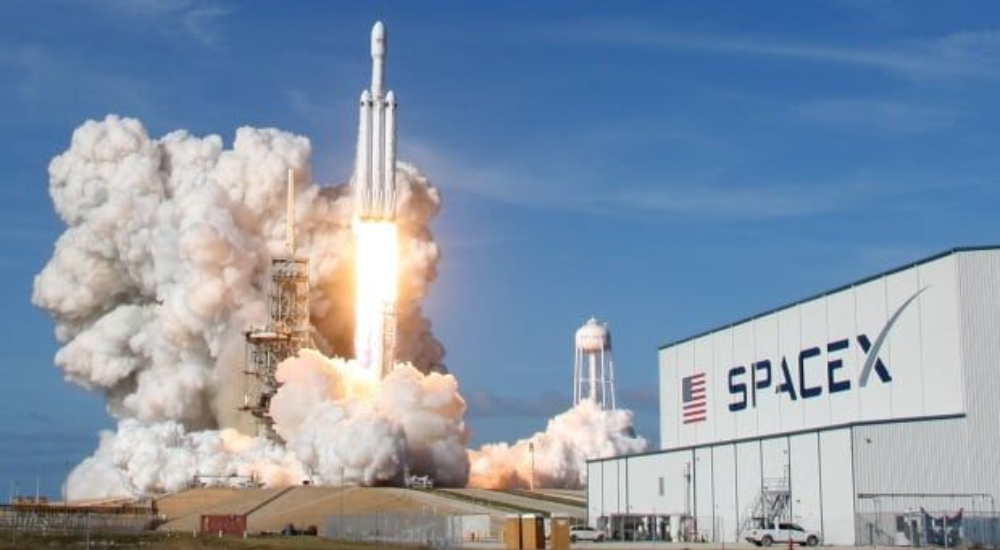
Falcon Heavy is not only a powerful rocket, but also a key pillar of the future space economy. Its massive payload capacity and reusable technology make it extremely useful for future space missions.
In the future, space tourism could become a major industry, allowing ordinary people to experience space travel. Additionally, ambitious projects like the Moon and Mars missions will be further strengthened by technology like Falcon Heavy.
In addition, the satellite internet market is rapidly expanding, with missions like ViaSat-3 playing a vital role. This will help provide fast and affordable internet globally.
Thus, Falcon Heavy offers a new direction to space technology in the future economy, where space will not only remain a field of research but also become a robust commercial and economic platform.
Challenges and Risks-
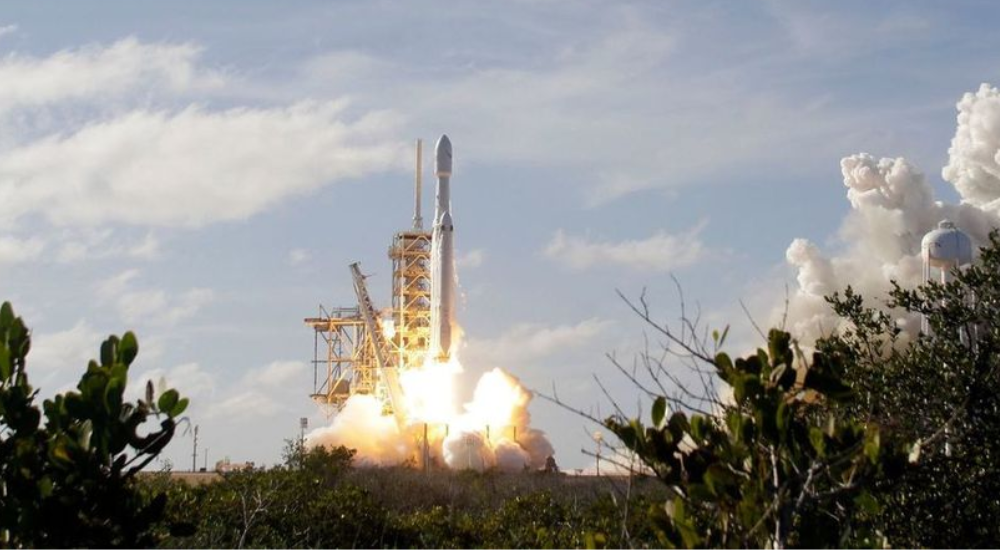
A sophisticated rocket mission like the Falcon Heavy involves numerous challenges and risks that cannot be completely ignored. The primary risk is launch failure, where a technical or mechanical malfunction could lead to mission failure. This is considered one of the most serious challenges in space missions.
The second major challenge is weather uncertainty. Strong winds, rain, or atmospheric instability can impact the launch process, often forcing launches to be postponed. Furthermore, technical complexities are also a significant factor, as thousands of components work together in such a large rocket system.
The high cost and safety management of the mission also pose significant challenges, as each stage requires extreme caution and precision. Therefore, organizations like SpaceX strive to mitigate these risks through continuous testing and improvement, ensuring safe and successful missions.
If you’re looking for information on educational topics, be sure to check out our website, edublog.cloud. Additionally, for digital products, be sure to check out our other website, vijaybooks.store.
More information related to Siddhilakshmi Jayanti 2026 is also available on this website.
FAQs (Frequently Asked Questions) about SpaceX Falcon Heavy-
What is the SpaceX Falcon Heavy?
The Falcon Heavy is an extremely powerful rocket developed by SpaceX, designed to deliver heavy payloads to Earth orbit and beyond.
Why is the Falcon Heavy so special?
It is one of the world’s most powerful rockets, with 27 engines and three core systems. Its reusable technology makes it unique in terms of cost and efficiency.
What is the primary objective of the ViaSat-3 F3 mission?
This mission aims to expand global high-speed internet coverage, especially in the Asia-Pacific region and remote areas.
When is the Falcon Heavy launching?
The ViaSat-3 F3 mission is expected to launch on April 27, 2026, at 10:21 a.m. EDT (14:21 UTC).
Are Falcon Heavy’s boosters reusable?
Yes, its side boosters are re-landed and reused under RTLS (Return to Launch Site) technology, while the center core is often expended.
Is this mission safe?
SpaceX conducts rigorous safety testing and weather analysis before every launch to ensure mission safety.
Quick Glimpse: Everything You Need to Know About SpaceX Falcon Heavy
- SpaceX was founded in 2002 by Elon Musk. Its mission is to make space travel affordable and reusable.
- Falcon Heavy is one of the world’s most powerful rockets, consisting of three Falcon 9 cores and 27 Merlin engines.
- Its payload capacity is up to approximately 63,800 kg, making it suitable for heavy space missions.
- Falcon Heavy’s biggest feature is its reusable booster technology.
- The ViaSat-3 F3 mission aims to increase global high-speed internet coverage.
- This mission is especially important for the Asia-Pacific region, maritime areas, and remote areas.
- The estimated launch date is April 27, 2026, at 7:51 p.m. IST, 10:21 a.m. EDT, and 14:21 UTC estimated and the location is LC-39A, Kennedy Space Center, Florida
- In this mission, the side boosters will perform RTLS landings, while the center core will remain expended (dropped into the ocean).
- Weather, launch windows, and safety protocols play a crucial role in the launch process.
- SpaceX utilizes AI-based automation and advanced technology to make launches safer and more accurate.
- ViaSat-3 F3 will help bridge the digital divide and increase global connectivity.
- This mission has the potential to transform education, business, and communications.
- SpaceX’s technology could enable future space tourism, lunar missions, and Mars missions.
- Satellite internet and space-based networking will play a key role in the future space economy.
- Key challenges: launch failures, weather uncertainty, technical complexities, and high costs.
- Falcon Heavy and SpaceX together are taking space technology into a new era, where space is the future of human civilization. is becoming an extension of
Conclusion-
Falcon Heavy has become a powerful symbol of the modern space age, demonstrating how rapidly human technology is advancing. Its advanced architecture, heavy payload capacity, and reusable technology make it vital for future space missions.
The ViaSat-3 F3 mission is a major step toward reshaping the digital world. This mission will improve global internet coverage, connecting remote and oceanic areas with high-speed connectivity.
SpaceX is continually advancing future space technology and making space travel more affordable, safe, and practical. Its efforts have reshaped the space industry worldwide.
Ultimately, it can be said that humanity’s next step is moving stronger and faster towards space, where technology and innovation are coming together to lay the foundation for a new future.